
The Hard Truth About Jobs and Speaking Skills
Your student can score 95% in Mathematics and still fail at their first job interview. Not because they lack intelligence. Because they cannot speak clearly. Communication skills for employability are not optional extras. They are the difference between getting hired and getting rejected.
Let us be honest: most Indian schools treat spoken English and communication as afterthoughts. A few debate competitions. A school assembly speech. Then silence. Meanwhile, employers across India are screaming the same complaint: “Your graduates cannot articulate their ideas. They freeze in meetings. They cannot present to clients.”
Here is the truth: a student who speaks well has already won half the battle. Communication skills for employability trump perfect grades every single time in the real world.

Why Schools Are Failing to Build Communication Skills for Employability
The problem is structural. Schools focus on written exams. Marks. Rankings. Speaking skills require time, practice, feedback, and repetition. That costs resources. So it gets ignored.
Most people do not realise that these skills need to be built over years, not weeks. Your child needs a safe space to fail, to stumble over words, to try again. They need teachers who will correct their pronunciation, their grammar, their body language. Not judges who mark them and move on.
The second problem: many teachers themselves lack confidence in spoken English. How can they teach what they do not practice? This is not criticism. It is reality. The system never equipped them to teach communication.
Third problem: there is no accountability. Nobody measures whether students can speak well when they leave school. Universities do not demand it. Parents do not prioritise it. So it remains invisible until the job interview arrives. By then, it is too late.
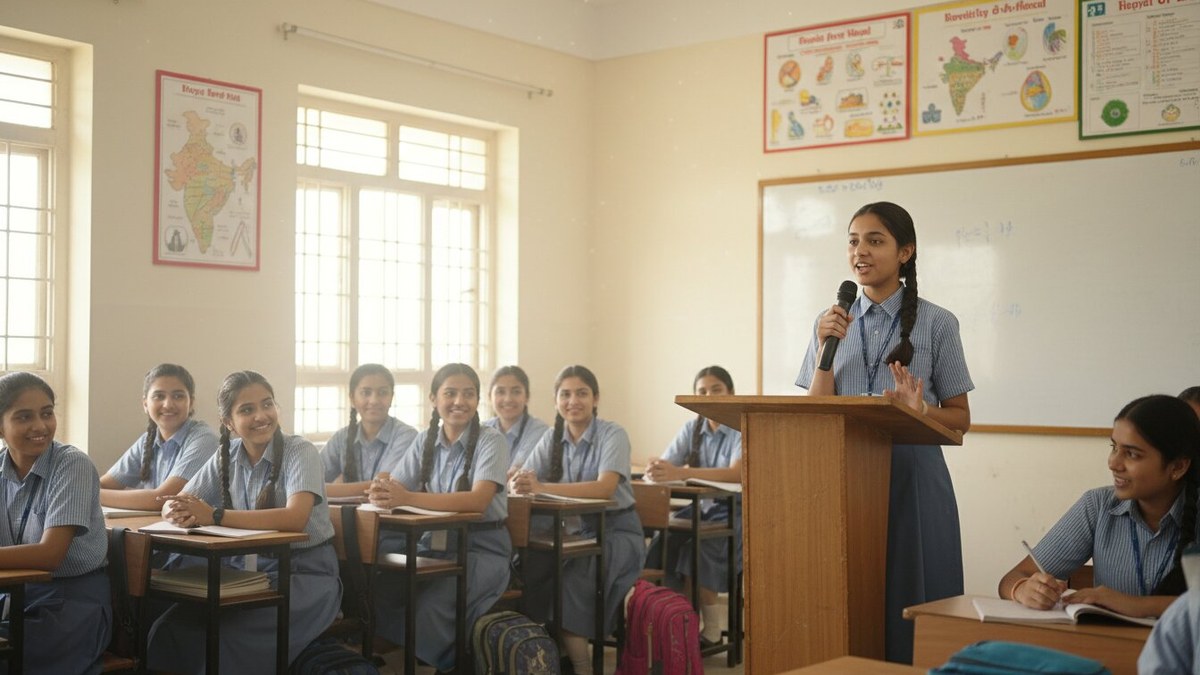
What Employers Actually Want
Visit any recruitment drive. Sit in on interviews. The pattern is unmistakable. Technical skills matter. But communication skills for employability matter more.
Here is what hiring managers tell us:
- Can the candidate explain their project clearly?
- Do they listen to questions or just recite prepared answers?
- Can they think on their feet and respond logically?
- Do they make eye contact and speak with confidence?
- Can they tell a story about why they want this job?
None of these can be measured by a written test. All of them require spoken English for jobs. All of them require practice in real conversations.
Companies hire people who can communicate. They promote people who can communicate. They fire people who cannot, no matter how brilliant they are technically.
Interview Preparation Starts in School, Not One Month Before
Most students begin interview preparation three weeks before their campus placements. This is backwards. This must begin in school, in the classroom, every single day.
Check out our guide on communication skills for job interviews to see what real preparation looks like.
When students practice speaking regularly, they develop:
- Confidence that shows in their voice and posture
- Vocabulary that flows naturally, not memorised
- The ability to think while speaking instead of freezing
- Comfort with silence instead of panic
- The habit of listening before answering
These cannot be crammed. They must be built brick by brick.
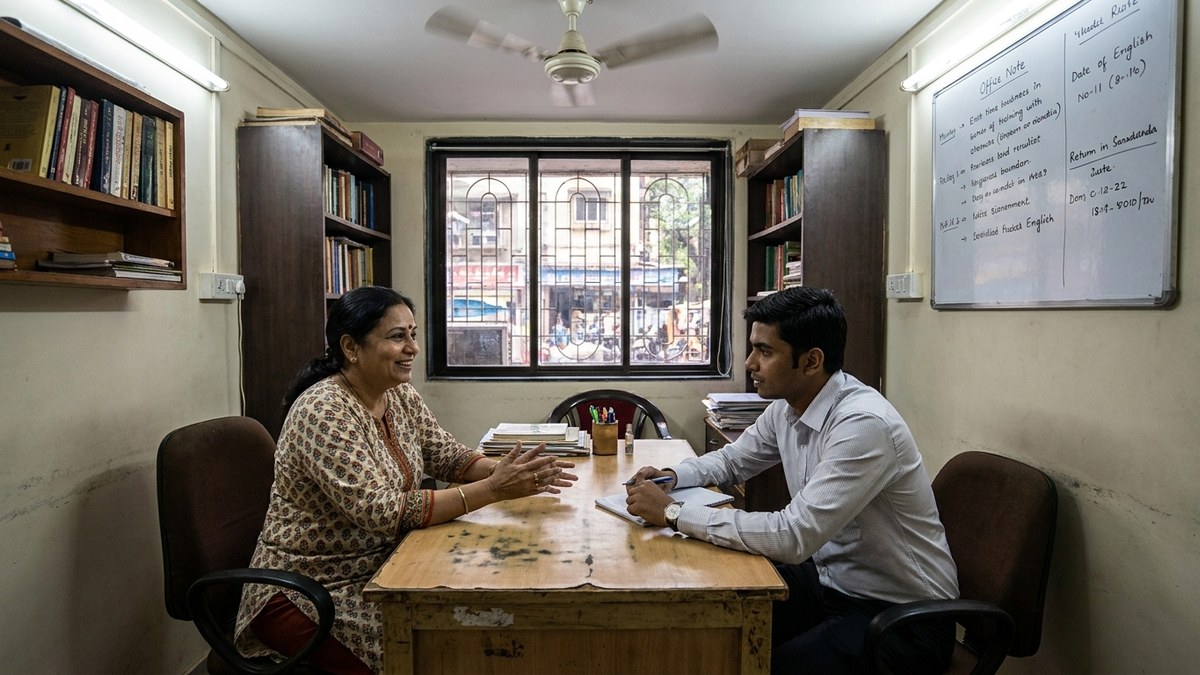
What Schools and Teachers Can Do Right Now
You do not need fancy software or expensive programs. You need intention and consistency.
Start small:
- Make every student speak every week. Not once a year. Every week.
- Create speaking clubs. Debate groups. Story-telling circles.
- Record students speaking and play it back. Hearing yourself changes everything.
- Invite working professionals to talk about how they use these skills at work.
- Role-play job interviews in class. Make it safe and fun.
- Correct pronunciation gently. Build, do not shame.
For educators running Points of Digital Learning or tuition centres, this is your differentiator. While big schools ignore this, you can build it into every session. Parents will notice. Students will succeed. Your reputation will grow.
You can create video lessons. Record speaking practice. Use technology to give feedback. Tools like APNA PC make this possible. A complete bundle with education software, monitor, webcam, and headset turns any learning space into a professional communication lab. Students see themselves on screen. They hear their own voice. They improve faster.
Communication Skills for Employability: The Competitive Edge
Here is the real advantage: most schools will not do this. They will keep treating communication as optional. That means every student you train in spoken English for jobs will outcompete their peers. They will get interviews. They will get offers. They will get promotions.
Communication skills for employability are not soft skills. They are survival skills in the modern job market.
Learn more about building effective learning spaces on the Apni Pathshala blog. Explore global education frameworks at UNESCO education. Access digital resources through DIKSHA.
The time to act is now. Your students’ careers depend on it.
Ready to build a communication-focused learning space? Explore APNA PC and set up your digital learning centre today.