
The Classroom Myth That’s Holding India Back
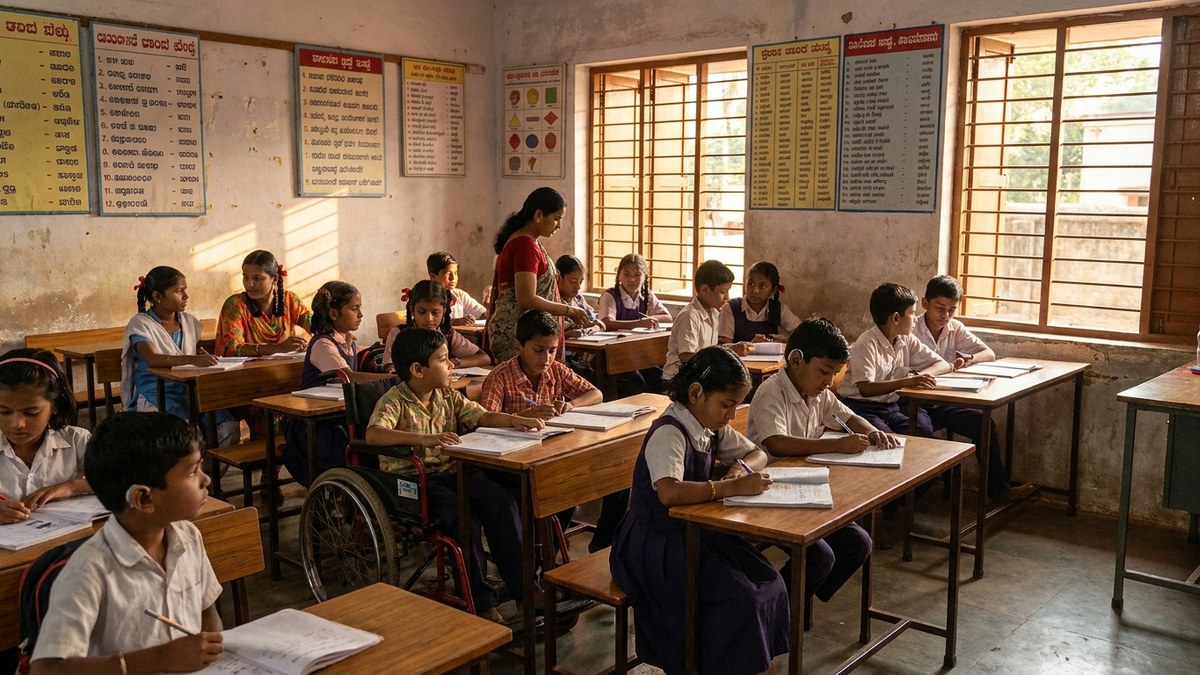
Here’s the truth: Teaching 40 children the same lesson the same way is not teaching. It’s crowd management. Yet this is exactly what happens in most Indian classrooms, from Mumbai to Manipur. One textbook. One pace. One answer. Students who grasp concepts in five minutes sit bored. Students who need fifteen minutes fall behind and stay there.
Differentiated instruction isn’t a fancy Western concept. It’s basic sense. It means recognizing that Priya learns differently from Rajesh. That Meera needs visual aids while Arjun needs hands-on practice. That some students are ready for advanced work while others need foundational support. Differentiated teaching strategies acknowledge this reality instead of pretending all brains work the same way.
If you’re a tuition teacher, homeschooler, or running a community learning centre, differentiated instruction is your secret weapon. Not someday. Now.
Why Differentiated Instruction Matters in India Right Now
Let’s be honest: India’s education system was built for batch processing, not learning. Students are sorted by age, not ability. They move through curriculum on a calendar, not based on mastery. The result? Millions of children either bored or lost.
Personalised learning in India changes this equation. It means:
- Students work at their own pace. Fast learners accelerate. Struggling learners get support without shame.
- Content matches learning style. Some students need video. Others need text. Some need to build or move. Differentiated instruction delivers.
- Teachers actually teach instead of perform. You move around the room. You diagnose problems. You intervene where needed.
- Every child feels seen. Not just the top students. Not just the troublemakers. Everyone.
This isn’t about being nice. It’s about results. Students who feel seen learn better. Students who work at their level progress faster. That’s not opinion. That’s how brains work.
Practical Differentiated Teaching Strategies for Your Classroom
Most people don’t realise that differentiation doesn’t mean creating five different lessons. That’s impossible. It means smart structuring.
Strategy 1: Tiered Tasks Give everyone the same objective. Change the complexity. Example: All students learn about fractions. Advanced students work with unlike denominators. Emerging students work with halves and quarters. Same concept. Different entry points.
Strategy 2: Learning Stations Set up three or four stations around your room. Each station has different materials targeting the same skill. Students rotate. You can guide each group while others work independently. This works brilliantly in tuition centres and POD (Point of Digital Learning) settings.
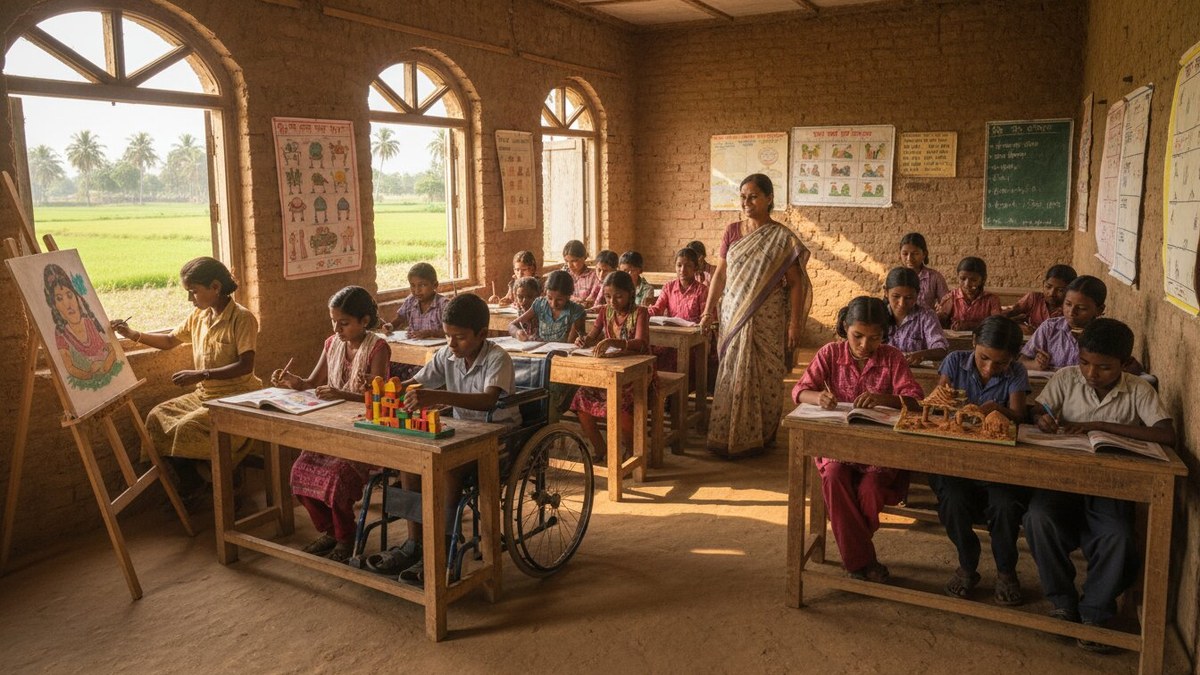
Strategy 3: Choice Within Structure You set the learning goal. Students choose how to show learning. Some write. Some draw. Some present. Some build. Engagement skyrockets because students own the process.
Strategy 4: Flexible Grouping Don’t lock students into ability groups. Group by learning style one day. By interest the next. By mixed ability another time. Students need to see themselves as capable, not labeled.
Strategy 5: Technology as Differentiator This is where tools matter. When you have a POD with proper equipment, students can access personalised content. Some can watch video tutorials. Others can practice with interactive software. You’re not managing 40 identical experiences. You’re enabling 40 learning journeys.
For this to work at scale, you need reliable infrastructure. APNA PC is exactly this. A complete bundle with everything needed to run a digital learning centre. Mini PC with i3 7th Gen processor, 8GB RAM, 128GB SSD. Monitor, keyboard, mouse, webcam, headset. Three-year warranty. Installation included. Rs.30,000 for the entire setup.
Why does this matter for differentiated instruction? Because you can’t personalise learning without the tools. APNA PC lets you create a POD where students access adaptive learning software, watch instructional videos at their pace, and practice independently while you work with small groups.

Making Differentiated Instruction Stick: The Real Challenges
Let’s be provocative for a moment. Most differentiation attempts fail not because the idea is wrong. They fail because teachers try to do too much alone.
You can’t differentiate for 40 students with zero support. You can’t personalise learning without technology. You can’t sustain this without community.
This is why becoming a certified skill development trainer matters. It’s not just about credentials. It’s about joining a network of educators doing this work. It’s about access to proven systems and support.
Similarly, if you’re interested in broader skill development, explore skill development training programs that teach you how to structure learning for diverse needs.
The infrastructure also matters. A POD with APNA PC isn’t luxury. It’s necessity. You need reliable equipment that doesn’t crash mid-lesson. You need tools that actually work in Indian conditions. You need support when something breaks.
The Bigger Picture: Teaching Methods That Work
Differentiated instruction sits within a broader ecosystem of teaching methods that recognize student diversity. From project-based learning to cooperative learning to mastery-based progression, the common thread is this: One size fits nobody.
Organizations like UNICEF India education have documented what works in Indian contexts. The evidence is clear. When students learn at their own pace, with materials suited to their style, in environments that recognize their individuality, learning happens.
This isn’t radical. This is how humans actually learn.
Your Next Step
If you’re a homemaker wanting to tutor neighborhood children. If you’re a senior citizen with decades of expertise ready to share. If you’re a tuition teacher tired of the one-size-fits-all grind. If you’re an edupreneur building something real.
Differentiated instruction is your path forward. Not as theory. As practice.
Start with one strategy this week. Try tiered tasks or learning stations. See what happens when you stop treating all students as identical. Then imagine doing this at scale, with proper tools, in a structured POD.
That’s where starting a TeachToEarn Learning POD comes in. We show you exactly how to set up a community learning centre that runs on differentiation. How to use APNA PC to enable personalised learning. How to earn while transforming education for your community.
The classroom myth is breaking. One educator at a time.