
Digital Literacy for Rural Students in India remains one of the most pressing challenges in our education system. Millions of children in villages lack access to computers, internet, and basic digital skills. This gap widens inequality and limits opportunities. APNA PC is changing this reality by bringing affordable technology to rural classrooms.
The problem is clear. Rural students cannot compete with urban peers. They miss coding skills, online research abilities, and digital communication tools. Teachers struggle without resources. Parents worry about their children’s future prospects. The digital divide is real and growing.
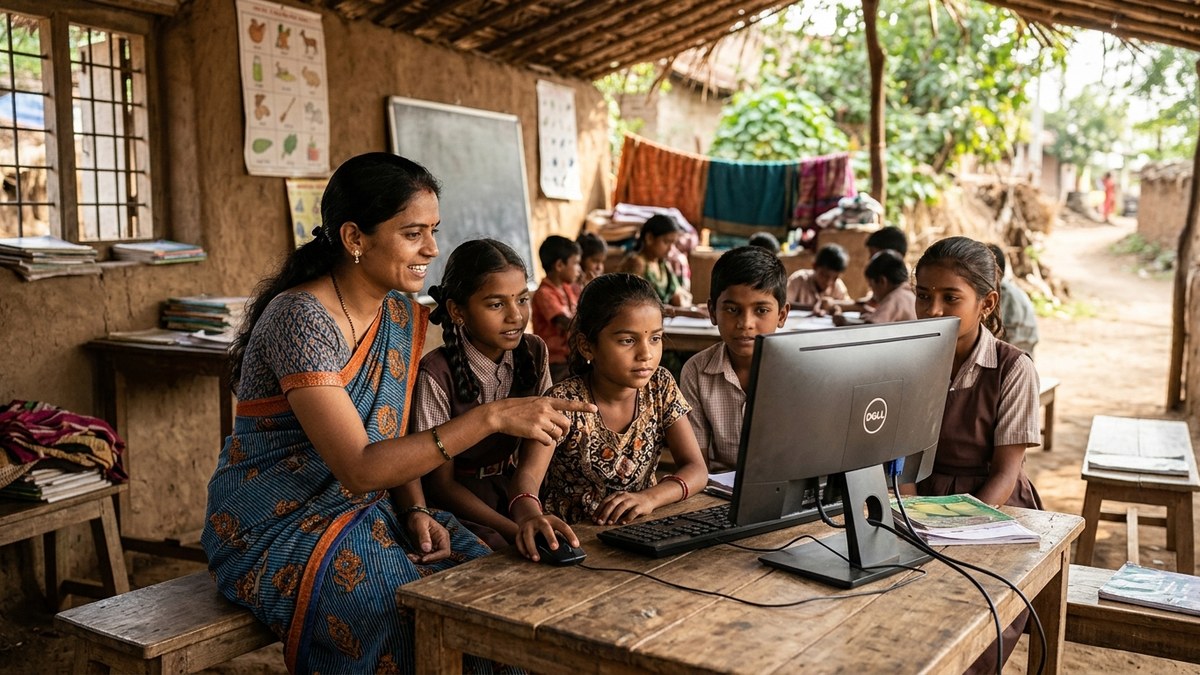
Why Digital Literacy for Rural Students Matters Now
Every job today requires digital skills. Banks use online systems. Government services go digital. Even farming uses technology now. Rural students without these skills face unemployment and poverty. Digital Literacy for Rural Students is not optional anymore. It is essential.
India’s education ministry recognizes this urgency. The Digital India initiative aims to connect villages to the internet. UNESCO also emphasizes digital education in its global agenda. Yet implementation remains slow in many regions. Local solutions are needed immediately.
The Real Impact of Digital Literacy for Rural Students
When rural students learn digital skills, everything changes. They access online courses. They research topics independently. They communicate with experts worldwide. They build confidence. They dream bigger.
Teachers benefit too. Digital tools make lessons interactive. Students stay engaged. Learning outcomes improve. Teachers connect with other educators globally. Professional growth accelerates.
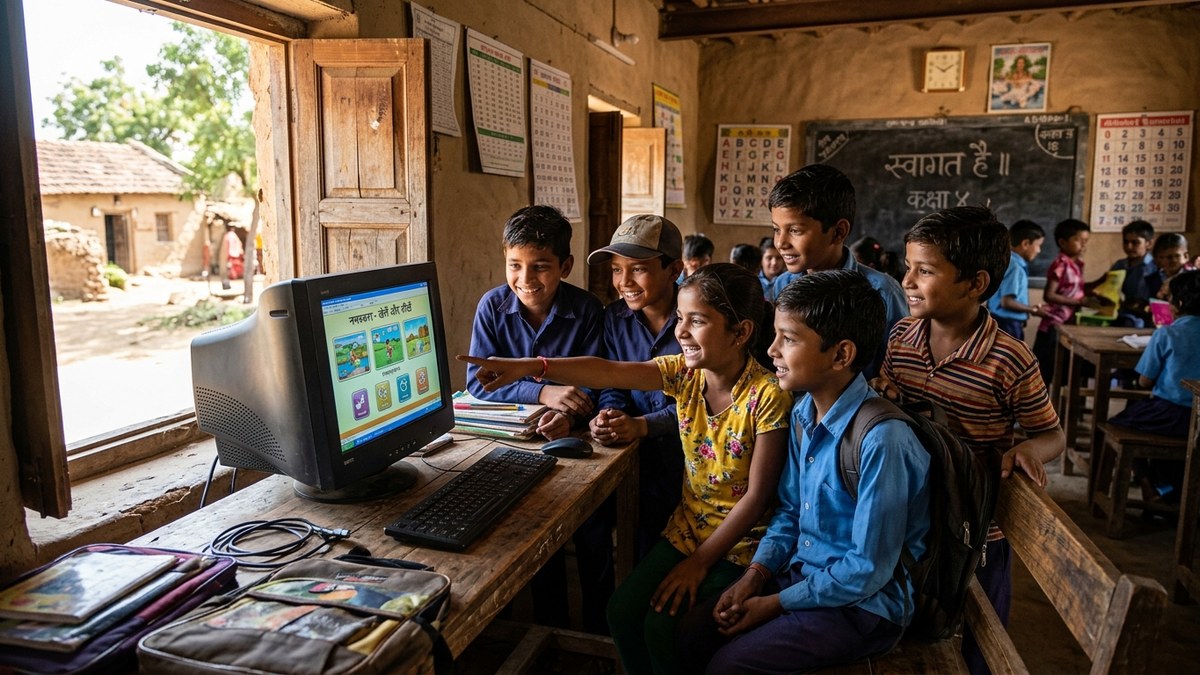
Schools transform when technology arrives. They attract better teachers. Parents value education more. Community involvement increases. The entire village benefits from having a tech-enabled school.
APNA PC Solves the Affordability Problem
Cost is the biggest barrier. Quality computers cost Rs.50,000 or more. Rural schools have tiny budgets. APNA PC breaks this barrier with a price of just Rs.30,000. This affordable computer meets all educational needs.
APNA PC runs Windows and Linux. It handles office applications, coding software, and online platforms. Students learn programming, web design, and digital marketing. Teachers create interactive lessons. The machine is durable and low-maintenance.
Schools can now afford multiple units. A classroom of 30 students can have 5-6 computers. Students rotate and learn together. Teachers guide small groups. Learning becomes practical and hands-on.
Building Digital Literacy for Rural Students: A Step-by-Step Approach
Implementation requires strategy. First, schools identify their needs. What subjects need digital support? Which classes benefit most? What infrastructure exists?
Second, teachers receive training. They learn to use APNA PC effectively. They create lesson plans. They practice before teaching students. Good teacher training ensures good outcomes.
Third, students start learning. Basic computer skills come first. Then office tools. Then internet safety. Then subject-specific applications. Learning progresses gradually.
Fourth, communities get involved. Parents learn too. They understand technology’s value. They support their children’s learning. Village leaders advocate for more resources.
Check out our digital literacy programs page for detailed implementation guides. Learn how other schools succeeded with APNA PC.
Overcoming Common Obstacles
Electricity is a concern. APNA PC uses minimal power. Solar panels can support it. Battery backups work too. Power shortage is not an excuse anymore.
Internet connectivity worries schools. APNA PC works offline. Students learn software, coding, and office skills without internet. Online access comes later as infrastructure improves.
Teacher resistance happens sometimes. Training and support overcome this. Teachers see results quickly. Student engagement increases. Resistance turns into enthusiasm.
The Long-Term Vision
Digital Literacy for Rural Students is an investment in India’s future. Today’s rural students become tomorrow’s entrepreneurs, engineers, and leaders. They lift their families out of poverty. They contribute to national growth.
APNA PC at Rs.30,000 makes this vision achievable. Affordable technology reaches villages. Rural students gain skills. The digital divide shrinks. India becomes more equitable.
Your school can start today. Your students can learn today. Your community can transform today. Visit apnapc.com to learn more.