
In today’s rapidly evolving digital world, digital literacy has become the cornerstone of academic success and professional advancement for Indian students. As we navigate through 2026, the landscape of education continues to transform, making digital literacy skills not just advantageous but absolutely essential. From basic computer operations to advanced data analysis, every student must develop comprehensive digital literacy capabilities to thrive in an increasingly connected world.
Why Digital Literacy Matters for Indian Students in 2026
The digital revolution has fundamentally altered how we learn, work, and communicate. For Indian students preparing to enter a competitive global workforce, digital literacy represents the bridge between traditional education and future career opportunities. According to recent studies, over 80% of jobs in India now require some level of digital proficiency, making digital literacy education a critical priority for schools and families across the country.
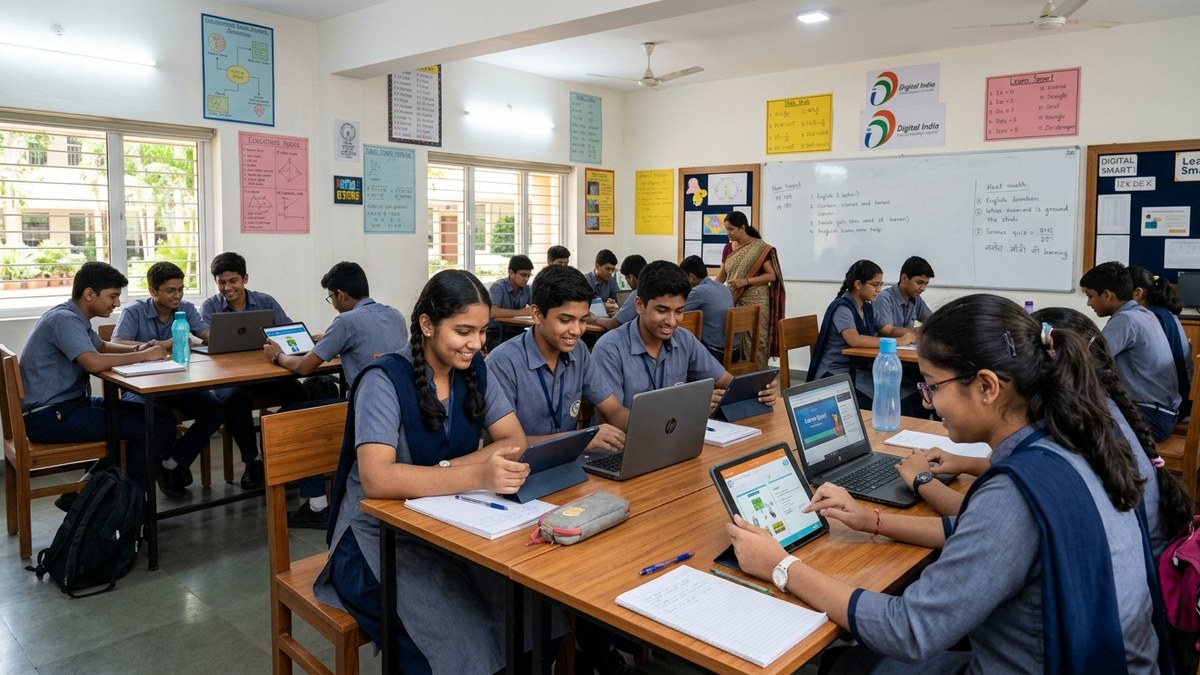
The Indian government’s Digital India initiative has placed digital literacy at the forefront of national development goals. This comprehensive program recognizes that empowering citizens with digital literacy skills is fundamental to building a digitally inclusive society where every student can participate in the knowledge economy.
Essential Digital Literacy Skills Every Student Must Master
1. Basic Computer Operations and Navigation
Every student’s digital literacy journey begins with mastering fundamental computer operations. This includes understanding operating systems, file management, keyboard shortcuts, and basic troubleshooting. These foundational digital literacy skills create the building blocks for more advanced technical competencies that students will develop throughout their academic careers.
2. Internet Navigation and Online Safety
Digital literacy extends beyond hardware proficiency to encompass safe and effective internet usage. Students must learn to evaluate online sources, protect personal information, recognize phishing attempts, and maintain digital hygiene. These digital literacy competencies are crucial for students who spend increasing amounts of time conducting research and collaborating online.
3. Word Processing and Presentation Software
Proficiency in productivity software remains a cornerstone of digital literacy for Indian students. From creating professional documents in Microsoft Word to designing compelling presentations in PowerPoint, these skills directly translate to academic excellence and workplace readiness. Students with strong digital literacy in productivity tools consistently outperform their peers in academic projects and professional settings.
4. Data Literacy and Spreadsheet Management
Understanding how to organize, analyze, and visualize data has become an essential component of modern digital literacy. Students who master spreadsheet applications like Microsoft Excel or Google Sheets develop critical thinking skills while gaining practical digital literacy competencies valued across industries. Data literacy enables students to make informed decisions based on quantitative analysis—a skill increasingly demanded in Indian classrooms and workplaces.
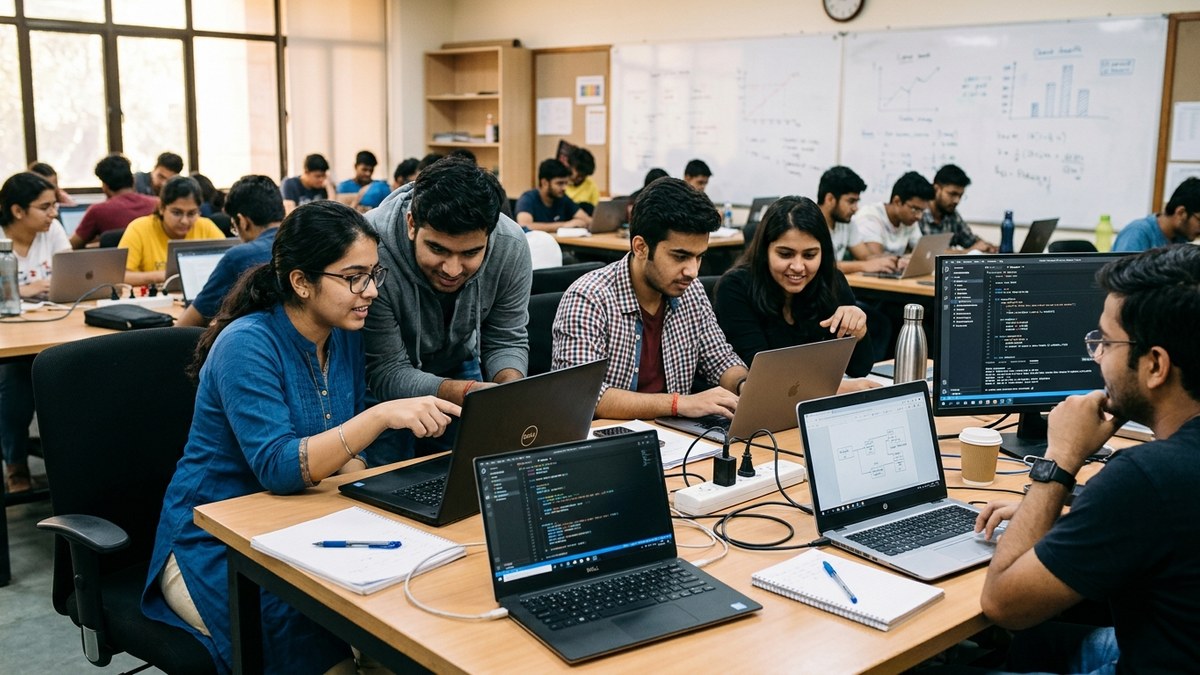
5. Cybersecurity Awareness and Digital Citizenship
As digital literacy education expands, students must understand their responsibilities as digital citizens. This includes respecting intellectual property, understanding copyright laws, practicing ethical online behavior, and maintaining privacy in digital spaces. Comprehensive digital literacy programs in India now emphasize cybersecurity awareness as a fundamental component of responsible technology use.
Digital Literacy in the Indian Education System
India’s educational institutions are increasingly recognizing the importance of integrating digital literacy into curricula at all levels. The UNESCO global literacy framework emphasizes that digital literacy is no longer optional but essential for participation in modern society. Schools across India are responding by implementing comprehensive digital literacy programs that prepare students for technological challenges.
Government Initiatives Supporting Digital Literacy
The Indian government has launched several initiatives to promote digital literacy among students. Programs like PMGDISHA (Pradhan Mantri Gramin Digital Saksharta Abhiyan) aim to make rural populations digitally literate, while school-level digital literacy programs ensure urban students develop competitive technological skills. These government-backed digital literacy initiatives demonstrate India’s commitment to creating a digitally empowered generation.
Private Sector Contributions to Digital Literacy
Technology companies and educational organizations are partnering with schools to enhance digital literacy education. These collaborations provide students with access to cutting-edge technology, expert instruction, and real-world digital literacy experiences that complement classroom learning. Private sector involvement has significantly accelerated the pace of digital literacy adoption in Indian educational institutions.
The Future of Digital Literacy in India
Looking ahead, digital literacy will continue to evolve alongside technological advancement. Emerging technologies like artificial intelligence, machine learning, and blockchain will require updated digital literacy curricula that prepare students for tomorrow’s challenges. Educational institutions that prioritize comprehensive digital literacy education today will produce graduates who are better positioned to adapt to future technological changes.
Career Opportunities and Digital Literacy
Students with strong digital literacy skills enjoy significant advantages in the job market. From IT and engineering to marketing and healthcare, virtually every industry now demands digital literacy competencies. Indian students who invest in developing comprehensive digital literacy skills position themselves for rewarding careers in an increasingly digital global economy.
Conclusion
Digital literacy is not a destination but an ongoing journey. For Indian students preparing for 2026, developing comprehensive digital skills—from cybersecurity to AI literacy to ethical digital citizenship—is essential for academic success and professional advancement. Educational institutions, parents, and students themselves must collaborate to ensure that digital literacy education is accessible, comprehensive, and continuously updated to reflect technological realities.
The foundation students build today will determine their ability to thrive in an increasingly digital world. By prioritizing digital literacy development now, Indian students invest in their futures and contribute to building a digitally empowered nation.
Ready to master essential digital skills? Visit apnapc.com to learn more about comprehensive digital literacy programs designed for Indian students.