
Your Students Are Already Digital. Are You?
Here is the truth: if you’re still teaching the way you did five years ago, you’re already behind. Not just behind the times. Behind your students. A 12-year-old in Bangalore knows how to navigate YouTube, Discord, and ChatGPT better than most tuition teachers know how to open a PDF. The gap isn’t just embarrassing. It’s costing you students and money.
Digital literacy for tuition teachers isn’t optional anymore. It’s survival. And we’re not talking about learning to use Facebook. We’re talking about real tuition teacher computer skills that let you teach better, reach more students, and charge what you’re actually worth.
Let’s be honest: most tuition teachers in India still operate like it’s 2010. Handwritten notes. Phone calls to parents. Classes that happen only when everyone shows up in person. Meanwhile, the world moved on. Students expect online options. Parents want progress tracking. Competitors are already offering hybrid models. If you’re not catching up on digital literacy for tuition teachers, someone else will take your batch.
What Digital Literacy Actually Means for Tutors
This isn’t about becoming a programmer or understanding blockchain. Teaching with technology means three things:
- Delivering lessons online or hybrid without fumbling with Zoom or Google Meet
- Tracking student progress so you can show parents real data, not just “beta achcha kar raha hai”
- Creating digital content like PDFs, videos, and quizzes that work for your students
That’s it. Master these three areas and your tuition business jumps to the next level.
Most people don’t realise that teaching with technology actually saves time. Once you set up a system, you’re not writing the same explanation 10 times to different batches. You record it once. You share it once. You spend less time on repetition and more time on actual teaching. Your students learn faster. You earn more per hour invested.
The barrier? It’s not skill. It’s access to the right tools and a little confidence. That’s exactly why we built APNA PC.
Why Hardware Matters (and Why Most Teachers Get It Wrong)
You don’t need a Rs.1,50,000 MacBook. You need something reliable that works. A computer that doesn’t lag when you’re teaching live. Software that doesn’t crash when you’re uploading student assignments. A webcam and mic that don’t sound like you’re calling from inside a tin can.
Here’s what we learned: most tuition teachers buying computers online get confused. They buy gaming laptops they don’t need. They skip the warranty. They struggle with installation. They end up frustrated and out of pocket.
APNA PC solves this. It’s a complete bundle: Mini PC with i3 7th Gen processor, 8GB RAM, 128GB SSD, monitor, keyboard, mouse, webcam, headset, education software, 3-year warranty, and installation. All for Rs.30,000. Not a gadget. A complete teaching setup.
Think about that price. It’s less than two months of extra fees you could charge once you start teaching with technology. It pays for itself in one batch.
The Real Opportunity: Building Your POD
Here’s where digital literacy for tuition teachers becomes a business multiplier. Once you have the right hardware and skills, you can start a learning pod. A POD (Point of Digital Learning) is a home or community learning centre run by trained educators like you. It’s hybrid. It’s scalable. It’s profitable.
You teach 15 students in person. You also offer online classes to 20 more in other cities. You create recorded content that runs while you’re sleeping. You’re not trading hours for money anymore. You’re building an asset.
But this only works if you have the digital skills and the equipment to back it up. A POD without proper hardware and software is just a tuition class with a fancy name.
Platforms like DIKSHA digital learning platform and resources from the India Ministry of Education already exist to support teachers. You just need to know how to use them. That’s digital literacy for tuition teachers in action.
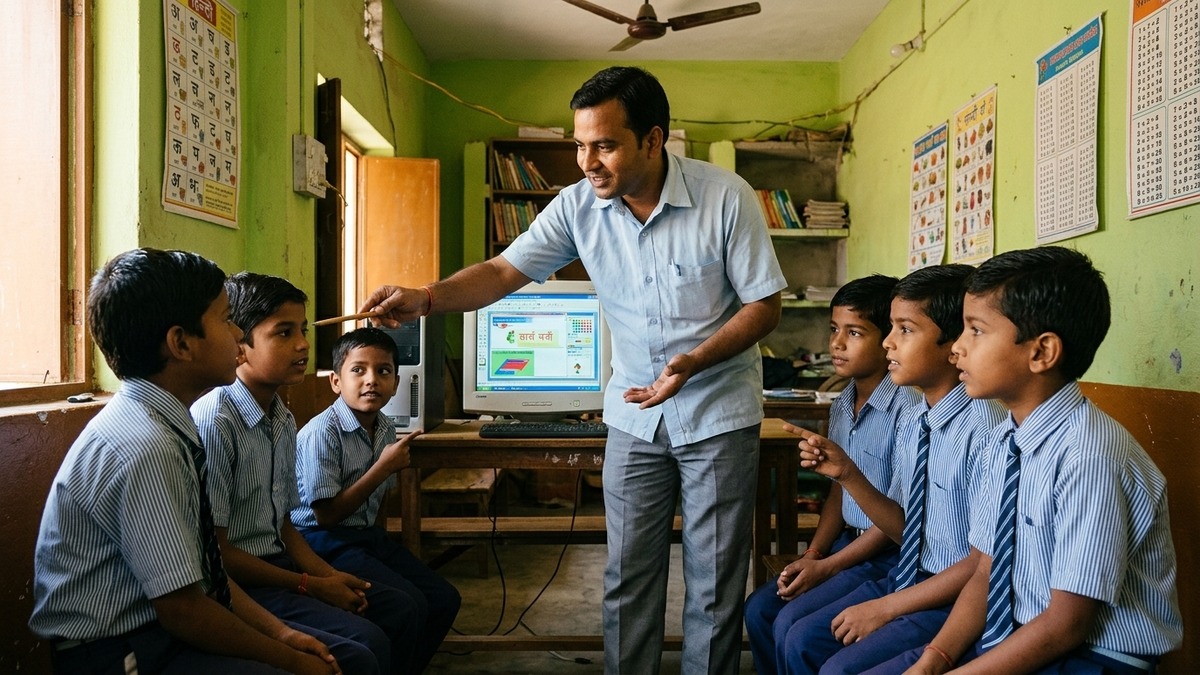
Three Steps to Get Started Today
Step 1: Assess your current gap. Can you record a lesson? Can you upload it to Google Drive? Can you share a Zoom link without calling the student’s parent for help? Be honest about where you stand.
Step 2: Get the right equipment. Don’t buy random gadgets. Get APNA PC. It’s designed for this exact job. No confusion. No wasted money on features you don’t need.
Step 3: Practice one skill at a time. Start with recording a lesson. Then move to online teaching. Then build your content library. Don’t try to do everything at once. Small wins compound.
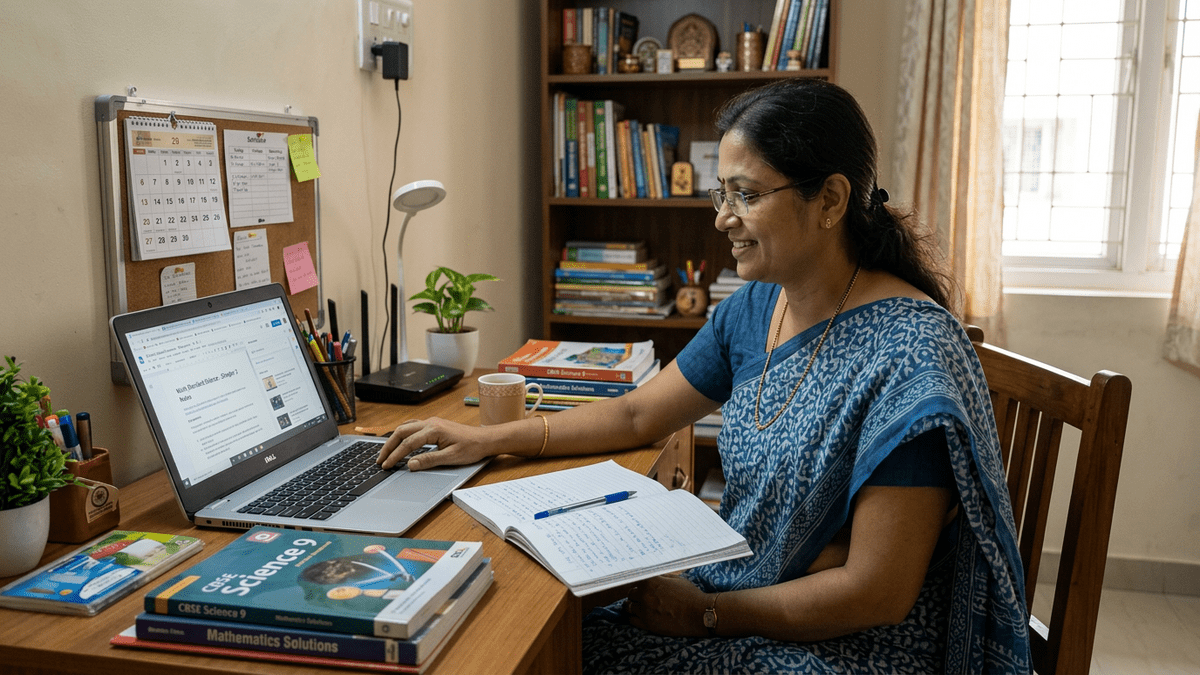
Your Competition Is Already Moving
In every city in India, there’s a tuition teacher right now setting up their first online class. They’re clumsy at it. Their audio is bad. Their videos are shaky. But they’re doing it. Six months from now, they’ll be smooth. A year from now, they’ll have 50 online students. And your students’ parents will ask you why you don’t offer the same thing.
You can stay where you are. Comfortable. Stuck. Or you can invest Rs.30,000 in APNA PC and the time to learn teaching with technology. The choice determines whether you’re still doing this job the same way in 2028 or whether you’ve built something bigger.
Digital literacy for tuition teachers isn’t about being fancy. It’s about being relevant. It’s about meeting your students where they are. It’s about building a business that works for you, not just a job that consumes your time.
The hardware is ready. The platforms exist. The opportunity is now. What’s stopping you?
Start your learning pod journey today. Get the tools. Build the skills. Scale your impact.