
Your Students Pay. But Where Does That Money Go?
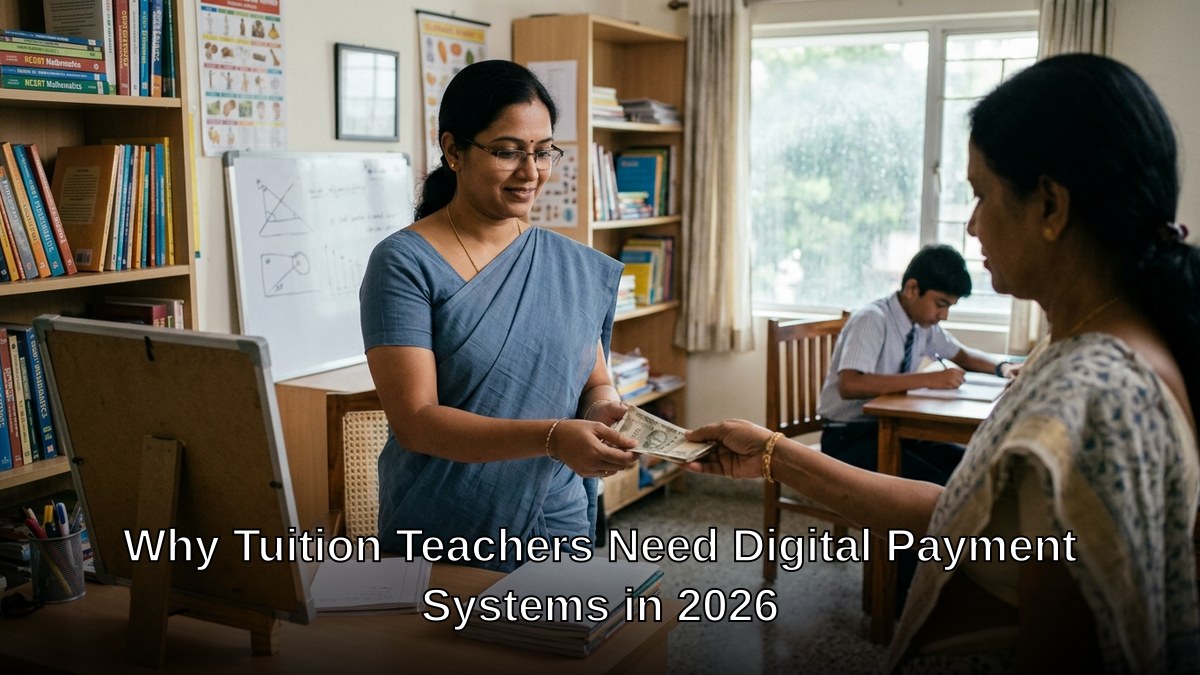
Here is the truth: tuition teachers across India are losing money every single day because they refuse to use digital payment systems. A parent promises to pay Rs.5,000 by Friday. Friday comes. The parent vanishes into WhatsApp silence. You chase. They make excuses. Two weeks later, you get half the amount in cash, crumpled notes handed over awkwardly. This cycle repeats every month.
Meanwhile, coaching center owners with proper digital payment systems collect fees on day one. Their students parents know the rules. Payment happens automatically. No chasing. No stress. No lost revenue.
If you are running a Point of Digital Learning (POD) from your home or community center, digital payment systems are not optional anymore. They are survival tools. The tuition teacher fees you collect determine whether your business grows or stays stuck. And right now, most tuition teachers are bleeding money through outdated collection methods.
Why Digital Payment Systems Matter Right Now
Lets be honest: the India you knew five years ago is gone. The Digital India initiative has changed how families think about money. Parents expect to pay online. They want receipts. They want records. When you ask for cash, you signal that you are not professional. That you are not serious about your business.
Most people dont realise that digital payment systems do three things simultaneously:
- They collect money faster. Parents pay immediately because the friction disappears.
- They build trust. A receipt creates accountability on both sides.
- They scale your business. You can manage 50 students instead of 15 because admin time collapses.
When you have digital payment systems, you stop being a tuition teacher who collects fees. You become an educator who runs a business. The difference in income is staggering.
Consider this: if you teach 20 students at Rs.3,000 per month, that is Rs.60,000 in revenue. But if 30% of your students delay payment (which is normal), you are actually collecting Rs.42,000. With a proper digital payment system, that delay vanishes. You get Rs.60,000. That extra Rs.18,000 per month is Rs.2,16,000 per year. For doing nothing different except switching to digital collection.
The Real Barrier: Technology Fear
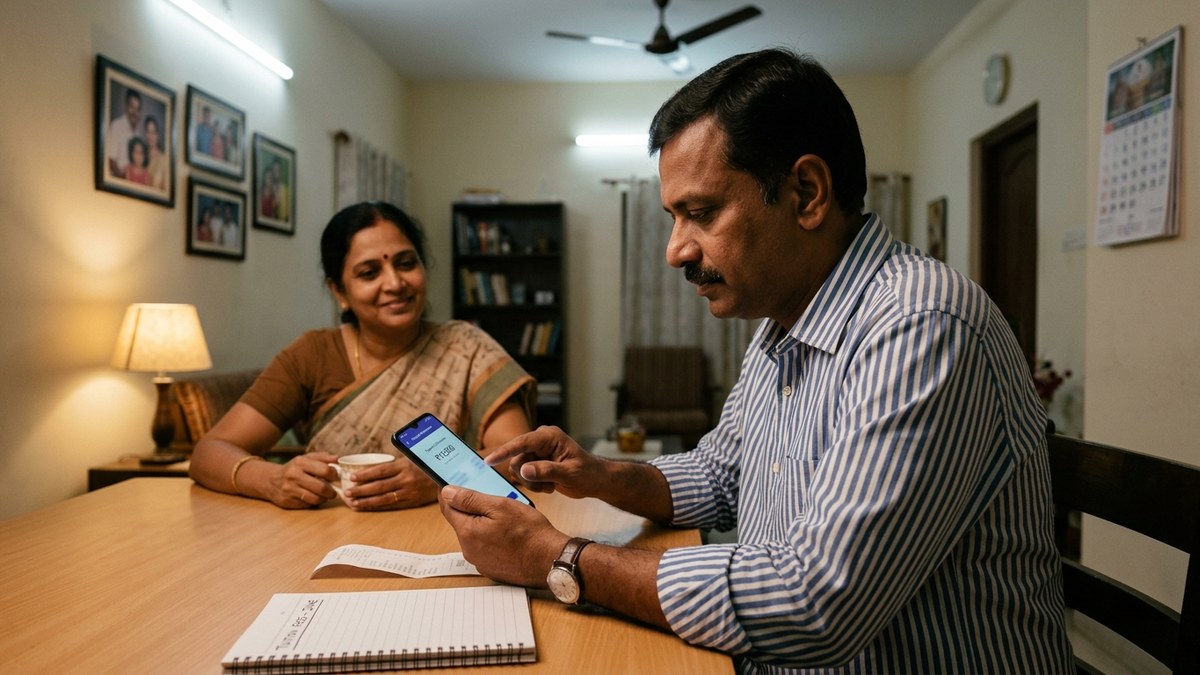
You already know this works. Coaching centers know this. Hospitals know this. Even the local vegetable vendor now accepts UPI payments. But tuition teachers hesitate because they think technology is complicated. It is not.
Here is what you actually need: a computer or tablet, an internet connection, and education software that handles online fee collection automatically. That is it. You do not need to be tech-savvy. You need tools that work for you.
This is exactly why APNA PC exists. It is a complete bundle designed for educators like you. For Rs.30,000, you get a Mini PC (i3 7th Gen, 8GB RAM, 128GB SSD) plus education software that manages student records, tracks attendance, sends automated payment reminders, and collects fees digitally. Installation included. Three year warranty included. No hidden costs.
Most tuition teachers spend more than this on a single month of wasted collection time and unpaid fees. APNA PC pays for itself in two months.
Online Fee Collection Changes Everything
When you implement online fee collection, three things happen immediately:
- Parents receive automatic reminders before the due date. No awkward conversations.
- Payment happens with one click. The friction that delays payment disappears.
- You get a complete record. Every rupee is tracked. No disputes about who paid what.
This is not about technology for its own sake. This is about reclaiming your time and your money. Right now, you spend hours chasing fees. Hours that could be spent planning better lessons or teaching more students.
Check out our guide on digital tools for tuition teachers to see how this works in practice.

The Competition Is Already Ahead
In your city right now, there are tuition teachers and coaching center owners using digital payment systems. They are collecting 100% of their fees on time. They are managing 3x more students with the same effort. They are building reputations as professional educators.
Your students parents compare you to them. Maybe not consciously, but they do. When one tuition teacher says “Just transfer the fees to my account,” and another says “Cash only,” which one looks more credible?
The gap between tuition teachers who embrace digital payment systems and those who do not is widening. By 2026, it will be a chasm.
If you are serious about growing your tuition business, you need to move now. Not next year. Not next month. Now.
Getting Started Is Simpler Than You Think
You do not need to overhaul everything. Start with one thing: digital fee collection. Set up a system where parents pay online. Track it. See the difference in your cash flow within 30 days.
If you want a complete solution that includes the hardware and software together, APNA PC is built exactly for this. It gives you everything: the computer, the education software, the installation, the warranty. No guessing. No piecemeal shopping.
Learn more about starting a home tuition business with the right tools from day one.
The MeitY Digital India initiative has created an ecosystem where digital payments are now the norm. The infrastructure exists. The parents are ready. The only question is: are you?
Your move.