EdTech in India: The Reality Behind the Buzzword
Your child’s future doesn’t depend on whether they attend a fancy private school in Delhi or a government school in a small town. It depends on access to quality learning tools. That’s what EdTech in India is actually about. Not the hype. Not the startup valuations. Real access.
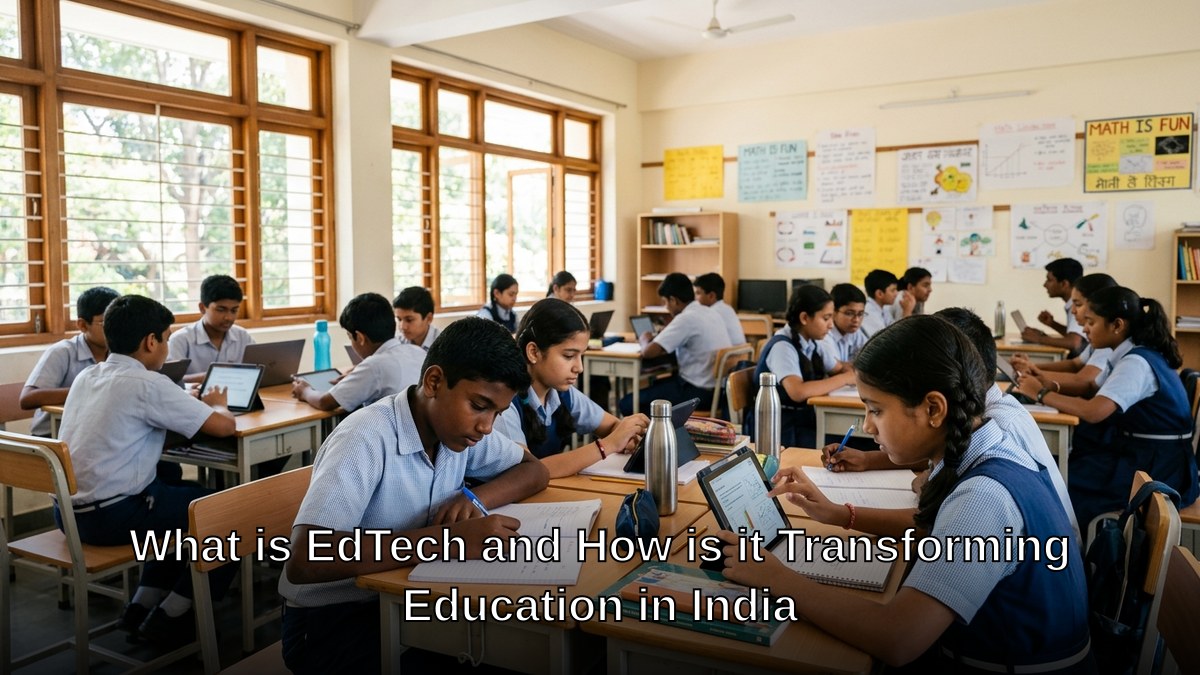
Let’s be honest: most people don’t realise that education technology in India has already moved beyond apps and YouTube videos. We’re talking about complete learning ecosystems. Online learning platforms that work on basic internet. Software that doesn’t need constant updates. Hardware that lasts. Teachers trained to use these tools effectively. That’s EdTech today.
The numbers tell the story. Over 250 million Indian students now have access to digital learning resources. Government initiatives like DIKSHA digital learning platform have reached rural areas that nobody thought were reachable five years ago. Teachers who’ve never touched a computer are now conducting online classes. Parents who couldn’t afford coaching centres are finding alternatives.
But here’s the truth: access and quality are two different things.
How EdTech in India Is Actually Changing Things
The transformation isn’t happening because of magic apps. It’s happening because three things finally aligned: affordable devices, reliable internet, and trained educators.
First, the devices. A few years ago, a computer meant Rs. 50,000 minimum. Today, you can get a complete learning setup with APNA PC for Rs. 30,000. That’s a mini PC with i3 7th Gen processor, 8GB RAM, 128GB SSD, monitor, keyboard, mouse, webcam, and headset. Plus three years warranty and installation. This isn’t theoretical access. This is actual access that a middle-class family can afford.
Second, the platforms. how EdTech companies are changing Indian education isn’t just about creating content anymore. It’s about creating entire learning ecosystems. The Central Board of Secondary Education (CBSE) has aligned with digital initiatives. State boards are following. Real curriculum, real standards, digital delivery.
- Online learning platforms now cover everything from primary to professional courses
- Adaptive learning adjusts to each student’s pace, not the other way around
- Live classes connect rural students with qualified teachers in metros
- Offline-first design means learning continues even when internet drops
- Local language support ensures Hindi, Tamil, Telugu, and Marathi speakers aren’t left behind
Third, the educators. EdTech fails when teachers don’t understand it. That’s why the POD model matters. A Point of Digital Learning is a home or community learning centre run by a trained educator. Not a franchise. Not a corporate centre. A real person from your community who understands your context. They use education technology in India to deliver better results, not to replace themselves.
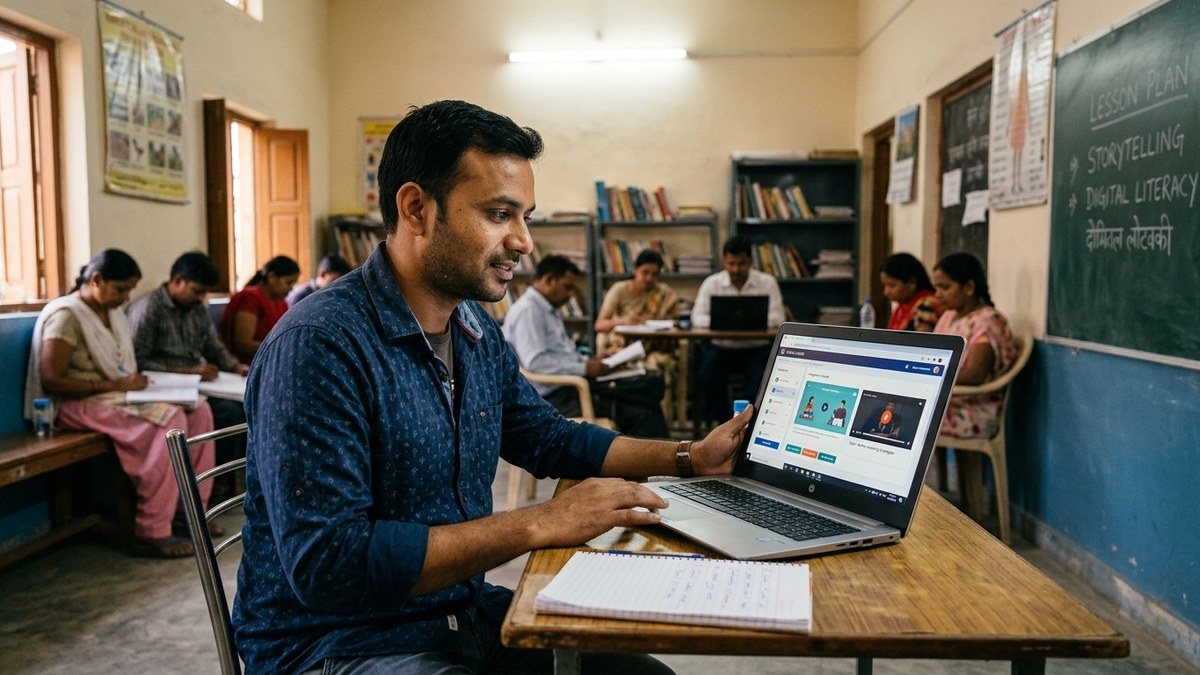
Most people don’t realise that the best EdTech outcomes happen in these community settings. A student in a village gets the same curriculum as a student in Mumbai. The same adaptive learning. The same quality content. But delivered by someone they know, in a language they understand, at a pace that works for them.
What This Means for Parents, Teachers, and Learners
For parents: You no longer have to choose between expensive private schools and uncertain government schools. A third option exists. Quality digital learning, locally delivered, at affordable prices.
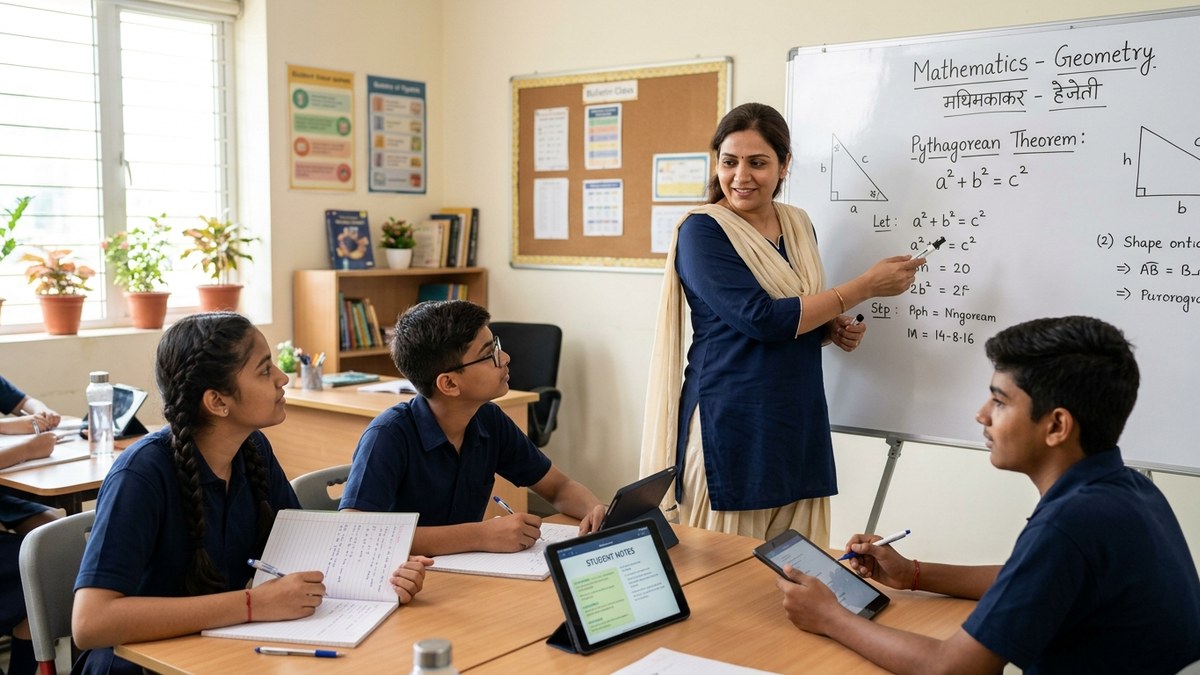
For teachers: EdTech isn’t replacing you. It’s upgrading you. The teacher who learns to use these tools effectively becomes more valuable, not less. You can reach more students. You can track progress better. You can focus on what actually matters: helping students think, not just memorise.
For learners: Your zip code doesn’t determine your ceiling anymore. A brilliant student in Jharkhand can access the same resources as a brilliant student in Bangalore. The playing field isn’t level yet, but it’s getting there.
Check out Apni Pathshala learning resources to see how this is working in practice. Real examples. Real results. Not marketing speak.
The Central Board of Secondary Education (CBSE) has recognised this shift. They’re not fighting EdTech anymore. They’re integrating it. Because they’ve seen the data. Students with access to quality digital learning perform better. They retain more. They engage more. They think more critically.
Here’s what most people don’t realise about EdTech in India: it’s not about technology. It’s about removing barriers. Every barrier. Distance. Cost. Language. Quality. Access. Speed. All of it.
The infrastructure exists now. The platforms exist. The trained educators exist. What’s missing is scale. And that’s where you come in, whether you’re a parent looking for better options, a teacher wanting to expand your reach, or an education enthusiast building the future.
If you’re serious about leveraging education technology in India, start with the right foundation. Get APNA PC. Set up a POD. Train yourself. The Rs. 30,000 investment in a complete bundle with three years warranty might be the best decision you make for your learning journey.