
EdTech Startups in India Are Not Solving the Real Problem
Most education technology startups in India chase venture capital instead of chasing results. They build apps. They raise funding rounds. They celebrate user numbers. Then they disappear when the money runs out. Meanwhile, 258 million Indian children still lack quality education access. The edtech sector is crowded, noisy, and largely disconnected from ground reality.
Here’s the truth: education technology in India works only when it solves three problems simultaneously. First, it must be affordable for families earning under Rs.25,000 monthly. Second, it must work without high-speed internet in villages and small towns. Third, it must empower local educators, not replace them. Most edtech ventures fail on all three counts.
Let’s be honest about what we see. Glossy platforms designed in Bangalore offices rarely reach the students who need them most. The real opportunities lie not in building the next Byju’s clone, but in creating sustainable, hyperlocal solutions that work with existing infrastructure and existing educators.
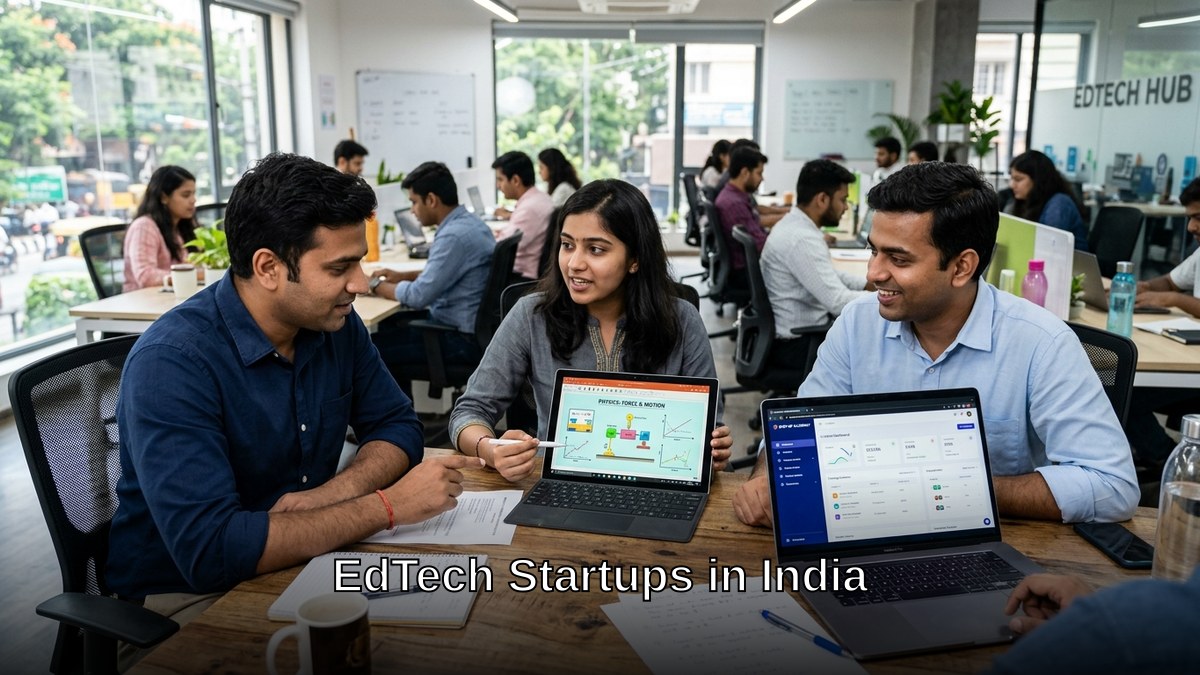
The biggest opportunity in the Indian edtech market right now sits with tuition teachers, homemakers, and community educators. Not with venture-backed platforms. Not with AI-powered adaptive learning systems that cost Rs.5,000 per student annually. The real gap exists at the grassroots level.
Consider the numbers. India has approximately 3.5 million private tuition teachers. Most work from home or small centers. Most use handwritten notes and basic printed materials. Most lack access to digital tools because those tools were never designed for them. This is where edtech startups should focus, but they rarely do.
What does an opportunity look like in this space?
- A tuition teacher in Nagpur wants to start online classes but lacks a proper setup. Current solutions demand Rs.80,000 to Rs.1,50,000 investment.
- A homemaker in a tier-2 city wants to teach neighborhood children but has no structured curriculum platform. Existing apps require monthly subscriptions she can’t justify.
- A senior citizen wants to share knowledge with young students but finds technology intimidating and inaccessible. Most edtech platforms ignore this demographic entirely.
- A coaching center owner needs to go digital but fears losing the personal touch that makes her business work. Technology should enhance, not replace, human connection.
These aren’t niche problems. These are the foundation of India’s education ecosystem. And the education technology India landscape has largely ignored them.
Most people don’t realise that the best educational technology isn’t the most advanced. It’s the most accessible. It’s the technology that works with what people already have. It’s the solution that costs Rs.30,000 once, not Rs.1,000 every month. It’s the setup that runs reliably on basic hardware, with or without internet connectivity. This is where real innovation happens.
Consider the model of a Point of Digital Learning (POD). A trained educator in your community runs classes from home or a small center. They use proper digital tools. They maintain personal relationships with students. They charge fees that local families can afford. They keep 70% of revenue. This model works because it combines technology with human trust, scale with intimacy, and profit with purpose.
To learn more about how digital tools are reshaping classroom learning, read about AI education transforming Indian classrooms. And if you run a coaching center, discover how to implement coaching center digital upgrade strategies that actually work.
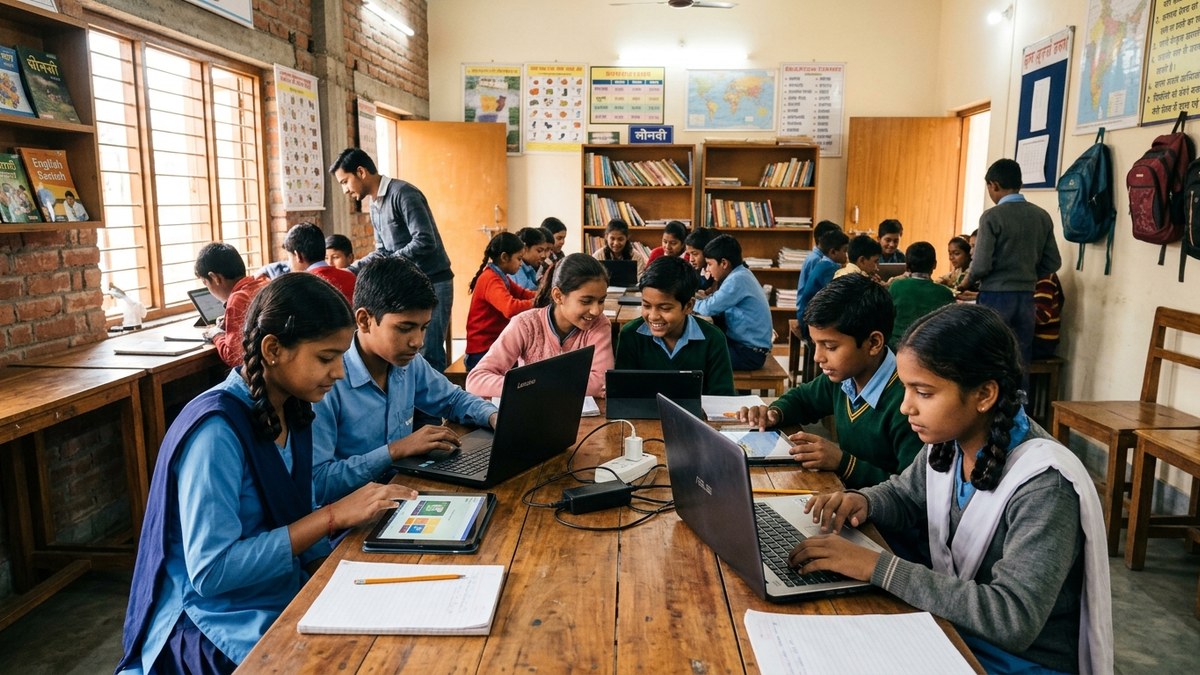
Challenges That Separate Winners From Losers in Indian EdTech
EdTech startups face five critical challenges. Understanding them separates founders who succeed from those who burn through capital and disappear.
Challenge One: The Last-Mile Problem. Building software is easy. Reaching the last 200 million Indians with that software is nearly impossible. Most startups solve for metros and tier-1 cities, then wonder why their growth stalls. The real market exists in tier-2, tier-3, and rural areas where internet is unreliable, purchasing power is limited, and digital literacy is low.
Challenge Two: The Sustainability Question. Venture capital creates pressure for explosive growth. But education doesn’t scale explosively. It scales gradually, through trust, through word-of-mouth, through proven results. Most edtech companies burn through funding trying to achieve hockey-stick growth, then collapse when investors demand profitability.
Challenge Three: The Teacher Problem. Technology doesn’t teach. Teachers do. Too often edtech startups treat teachers as obstacles to automation rather than partners in learning. The winners build tools that empower educators, not replace them.
Challenge Four: The Infrastructure Gap. India’s digital divide is real. High-speed internet exists in major cities. Beyond that, connectivity is spotty. EdTech companies that require consistent broadband limit themselves to 10% of the market. Those that work offline-first, with cloud sync when connectivity returns, access the remaining 90%.
Challenge Five: The Affordability Ceiling. Most Indian families can’t sustain monthly subscriptions for education technology. They can invest once in a complete solution. Companies that understand this build products priced at Rs.5,000 to Rs.50,000 as one-time purchases, not recurring charges.
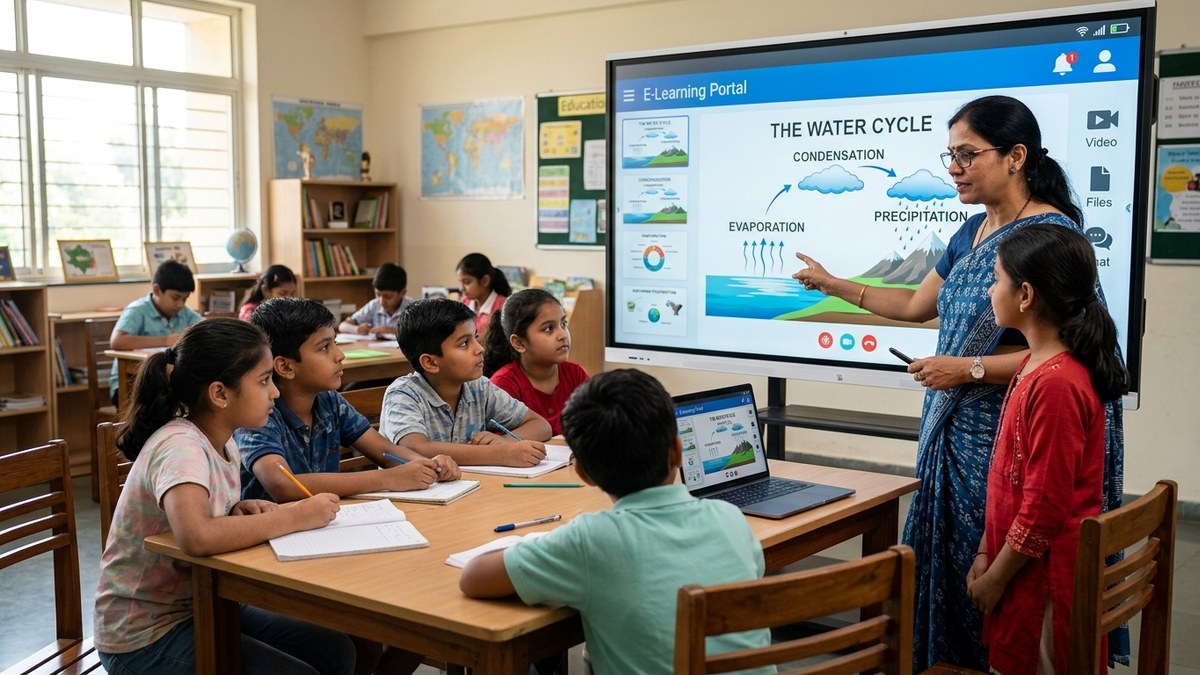
The winners in Indian edtech share common traits. They start with a specific problem, not a broad vision. They serve a defined community, not “all of India.” They measure success by learning outcomes, not app downloads. They charge money from day one, not after achieving scale.
The winning model combines three elements. First, affordable hardware bundled with education software, eliminating the infrastructure barrier. Second, training and support for local educators, creating a sustainable workforce. Third, a revenue-sharing model that incentivizes quality and keeps educators invested in the platform’s success.
This is exactly why APNA PC exists. It is a complete bundle at Rs.30,000. Mini PC with i3 7th Gen processor, 8GB RAM, 128GB SSD. Monitor, keyboard, mouse, webcam, headset. Education software. 3-year warranty. Installation support. Everything a tuition teacher, homemaker, or community educator needs to start teaching digitally. No monthly fees. No internet dependency for content delivery. No complicated setup. Just plug in and teach.
APNA PC recognizes the real constraint: not software, but hardware. Not knowledge, but tools. Not motivation, but access. When you remove these barriers, educators thrive. When educators thrive, students learn. When students learn, communities transform.
The future of edtech belongs to founders who understand this simple truth. Build for the ground, not for the boardroom. Solve for affordability, not just functionality. Empower educators, not replace them. Make money sustainably, not desperately.
Ready to start your own Point of Digital Learning? Explore how APNA PC makes it possible.
For broader context on education in India, read Education in India on Wikipedia. To understand global perspectives on Indian education, check UNICEF India Education initiatives.
The Indian edtech revolution is not coming. It is already here. But it looks nothing like the headlines suggest. It is quieter, smaller, more human, and far more powerful. The question is: will you be part of it?