
Your Child’s First Year of School Deserves Better Than Guesswork
Class 1 is where it all begins. Not just academics. Here’s where your child learns to sit still, follow instructions, and believe they can learn. Get this year wrong, and you’re fighting an uphill battle for the next decade. Get it right, and you’ve built a foundation that actually holds.
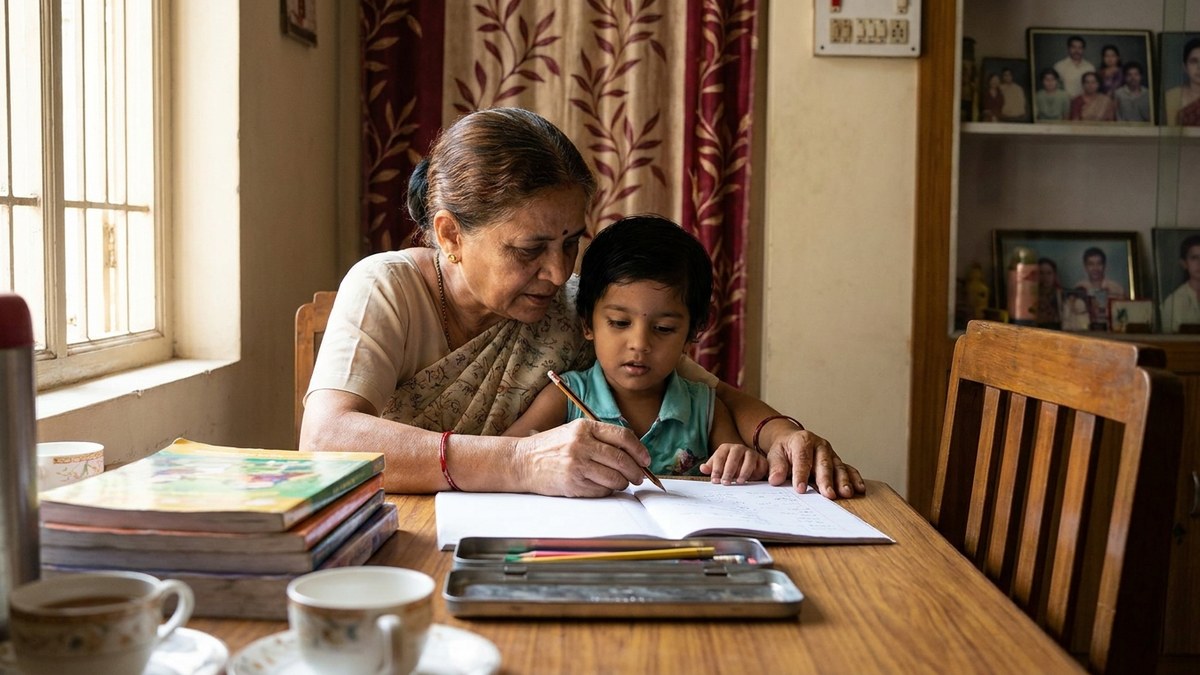
Most parents don’t realise that home tuition for class 1 isn’t about cramming more lessons into your child’s day. It’s about having someone trained who can spot exactly where your child is struggling and fix it before the gap becomes a canyon. A class 1 home tutor working one-on-one can do in three months what a classroom teacher might take a year to accomplish.
Let’s be honest: finding the right tutor feels overwhelming. You’ve got questions. Will they be patient? Do they actually know how to teach six-year-olds? Can you trust them in your home? Will they waste your money? These aren’t small concerns. They matter.

What Makes Home Tuition for Class 1 Work
Not all tutors are created equal. Some treat class 1 like it’s high school with smaller handwriting. That’s a mistake.
A proper class 1 home tutor needs three things:
- Patience that doesn’t run out. Your six-year-old will ask the same question five times. A good tutor answers it five times like it’s the first time. A bad one gets frustrated by question three.
- Understanding of how young children actually learn. They need movement, play, repetition, and real objects they can touch. Not worksheets and lectures. Anyone can assign homework. A real tutor builds learning into activities your child enjoys.
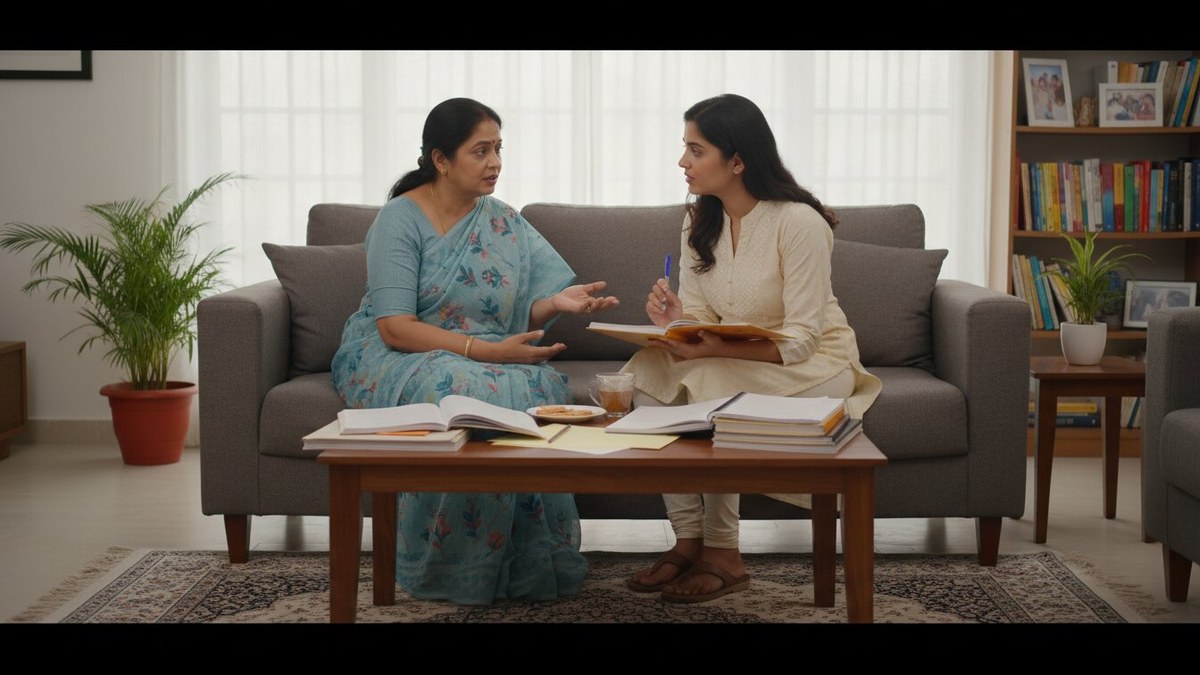
- The ability to communicate with you. You need to know what your child is struggling with. You need strategies for home. You need honesty about progress, not just “everything is fine.”
According to tutoring research, one-on-one instruction is proven to accelerate learning. But only if the tutor knows what they’re doing. A bad tutor working one-on-one can actually create more problems than a decent classroom teacher.
Here’s the truth: your instinct matters. When you meet a potential tutor, does your child feel comfortable? Do you feel like they actually listen when you talk about your child’s needs? Or do they just launch into their standard approach? Trust that gut feeling. It’s usually right.
Finding Home Tuition for Class 1: The Practical Steps
Start with your network. Ask other parents. Ask your child’s school. Teachers often know good tutors. They know who actually gets results and who just collects fees.
When you’re looking for a home tutor for 1st class, ask these specific questions:
- How many years have you taught class 1 specifically? (Not “how long have you been a tutor” but class 1 experience)
- What do you do when a child doesn’t understand something the first time?
- How do you keep a six-year-old engaged during a session?
- Can you give me references from parents whose children you’ve taught?
- What’s your approach to homework? Do you assign it, or do you guide the child through it?
A tutor who can answer these clearly and specifically is someone who’s thought about their craft. A tutor who gives vague answers is just going through the motions.
Most people don’t realise that the best tutors often aren’t advertising themselves aggressively. They’re booked through referrals. They have waiting lists. If someone is desperately available immediately, ask why.
The Modern Advantage: Digital Learning at Home
Here’s something that’s changed the game for home tuition: technology done right. Not screens replacing tutors. But tutors using tools that make their job easier and your child’s learning better. Home tuition for class 1 works best when technology supports the tutor, not replaces them.
A tutor working with digital resources can show your child concepts in ways that stick. Interactive learning platforms keep kids engaged. Progress tracking lets you see exactly where your child stands. This isn’t replacing human connection. It’s amplifying it.
If you’re serious about creating a proper learning environment at home, consider setting up a dedicated space. A small desk. Good lighting. Minimal distractions. And if you’re thinking bigger, platforms like Cambridge homeschooling in India show how structured home learning can work alongside tutoring.
For parents considering a Point of Digital Learning (POD) setup or even starting your own tuition centre, the infrastructure matters. Quality doesn’t have to be expensive. The APNA PC bundle (Rs.30,000 complete) gives you a full system with education software, 3-year warranty, and everything a tutor needs to deliver modern lessons. Mini PC i3 7th Gen, 8GB RAM, 128GB SSD, monitor, keyboard, mouse, webcam, headset. All in one package. That’s real support for real learning.
Red Flags and Green Flags
Red flags: A tutor who won’t let you observe sessions. One who promises guaranteed marks without knowing your child. One who only teaches from textbooks. One who doesn’t ask questions about your child’s background or learning style.
Green flags: A tutor who asks about your child before the first session. One who explains what they’re doing and why. One who adjusts their approach when something isn’t working. One who celebrates small wins. One who communicates regularly with you.
Don’t accept “it’s just how I teach” as an answer. Class 1 tutoring should be flexible. Every child is different. Every child learns at a different pace. A tutor who can’t adapt isn’t a good fit.
Making the Investment Count
Home tuition for class 1 is an investment. Not just money. Time. Trust. Expectations. Make it count.
Set clear expectations from day one. How many sessions per week? What’s the focus? How will progress be measured? What happens if your child isn’t progressing? A good tutor will welcome these conversations. They’ll want you involved.
Give it time. Three months minimum. If something feels off after a month, it probably is.
Stay engaged. Don’t just drop your child and disappear. Ask your tutor questions. Ask your child what they learned. Practice at home. The tutor is the expert, but you’re the parent. You’re the one who sees your child every day. Your observations matter.
For a deeper dive into structured learning at home, explore options like a 6-month basic computer course for yourself. Understanding digital tools helps you support your child’s learning better. And check out UNICEF India education programmes for insights into what quality learning looks like.
The Bottom Line
Finding the right home tuition for class 1 isn’t luck. It’s asking the right questions, trusting your instincts, and being willing to walk away if something doesn’t feel right. Your child’s learning matters too much to settle for average.
Start with referrals. Interview multiple tutors. Observe a session. Stay involved. And create a learning environment that supports what the tutor is doing.
Your child’s foundation is being built right now. Make sure it’s built on solid ground.
Ready to set up a proper learning space at home? Explore how APNA PC can support your child’s learning with complete digital infrastructure for home tuition.