
The Home Tutor Career in India: Your Real Opportunity
You don’t need a fancy office, a corporate job title, or years of formal training to build a thriving home tutor career in India. Thousands of Indians are already doing it. Homemakers earning their first independent income. Retired professionals staying sharp and earning. Teachers multiplying their salaries. Edupreneurs building scalable tutoring businesses. The tutoring business landscape has shifted dramatically in the last five years, and most people don’t realise how accessible it actually is.
Here is the truth: the demand for personalized learning has never been higher. Parents are tired of one-size-fits-all schooling. Students are struggling with gaps in fundamentals. And there’s a massive trust deficit in anonymous online coaching platforms. This is where you come in. A home tutor fills a real gap. You’re not competing with Byjus or Vedantu. You’re offering something they can’t: human connection, customized pace, and accountability.
Let’s be honest: becoming a home tutor requires zero permission from anyone. You don’t need a license. You don’t need to register with the government. You can start tomorrow with just your knowledge and a student who needs help. But if you want to build this into a sustainable, profitable tutoring business, you need a system. You need the right tools. You need clarity on how to scale from tutoring one student to running a proper learning operation.
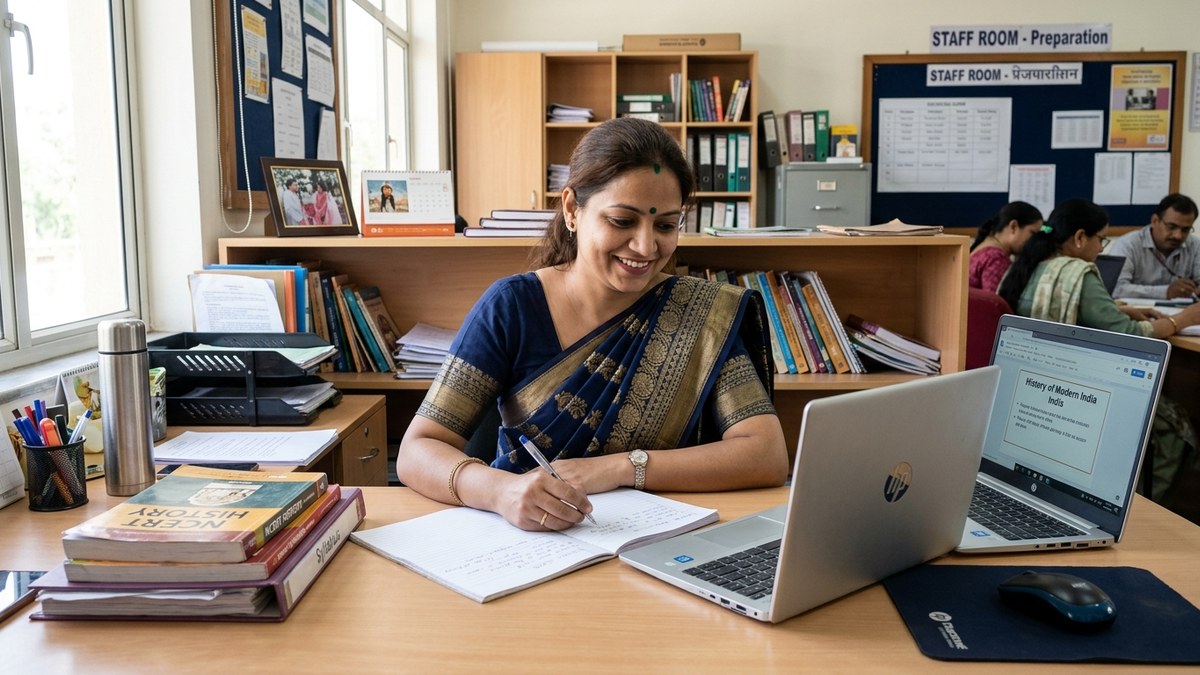
Three Pathways to Build Your Home Tutor Career
Not every tutor wants the same thing. Some want flexibility and extra income. Others want to replace their job entirely. Understanding your own goal shapes everything else.
Pathway 1: The Part-Time Tutor
You take 4-6 students, charge Rs.300-500 per hour, and earn Rs.20,000-30,000 monthly working 15-20 hours per week. This works for homemakers, senior citizens, or employed teachers. Minimal investment. Maximum flexibility. You can start your teaching business from home literally today. No software. No fancy setup. Just you, a student, and a notebook.
Pathway 2: The Professional Home Tutor
You systematize everything. You take 15-20 students across multiple time slots. You create lesson plans. You track progress. You charge Rs.500-1000 per hour. Monthly income: Rs.60,000-1,20,000. This requires basic technology: a laptop, internet, maybe a simple CRM to track students. This is where most serious home-based educators operate.
Pathway 3: The Learning Pod Operator
You stop being a tutor and become an educator running a Point of Digital Learning (POD). You hire 2-3 assistant tutors. You manage 30-50 students. You run group classes plus individual sessions. Monthly revenue: Rs.2,00,000+. This is a real business now, not just a side gig. You need proper infrastructure: a dedicated space, technology, systems, and trained staff.
Most people don’t realise that pathway 2 is where the real money is for solo operators. You get the income of a small business without the overhead of hiring staff. Yet you still have structure and professionalism.

What You Actually Need to Start
Here is what most tutoring guides won’t tell you: the barrier to entry is almost nothing, but the barrier to scaling is real. You can start with zero investment. You cannot scale without basic infrastructure.
To be a part-time tutor: yourself and a notebook. That’s it.
To be a professional tutor: you need a laptop, internet connection, and ideally a space separate from your main living area. This is where most tutors stumble. They don’t have a dedicated workspace. They’re teaching from their bedroom while their family watches TV in the next room. Students sense this. Parents notice. Professionalism matters.
To run a POD: you need a proper learning space, multiple devices for students, reliable internet, and teaching software. This is where APNA PC comes in. The complete bundle costs Rs.30,000 and includes everything: the Mini PC itself (i3 7th Gen, 8GB RAM, 128GB SSD), monitor, keyboard, mouse, webcam, headset, installation, and 3 years warranty. You’re not just buying a computer. You’re buying the infrastructure to scale your tutoring operation from home.
Think about it. If you’re running a POD with 30 students, even at Rs.500 per student per month, that’s Rs.15,000 monthly revenue. The APNA PC pays for itself in two months. And it enables you to deliver online sessions, track student progress digitally, and run professional classes. Let’s be honest: you cannot run a modern tutoring business without a reliable computer.
According to the Digital India initiative, digital literacy and access to technology are now fundamental requirements for educational entrepreneurs. This isn’t optional anymore.
The Real Challenges You’ll Face
Student acquisition. That’s the first one. You can be the best tutor in your city, but if nobody knows about you, you earn nothing. Most tutors rely on word-of-mouth, which is slow. Some use Facebook groups or WhatsApp. The better ones create a simple website or list themselves on platforms like Care.com or local apps. Your strategy here matters more than your teaching quality in the first year.
Consistency. Students drop out. Parents get busy. During exam season you’re overbooked. During summer you’re empty. You need to smooth these cycles. This is why pathways 2 and 3 work better than pathway 1. You have enough students that one or two leaving doesn’t destroy your month.
Professionalism. You’re competing against schools and coaching centers. They have infrastructure, systems, and credibility. You have flexibility and personal attention. Use that. Have a structured curriculum. Track progress. Communicate regularly with parents. Send monthly reports. This separates serious educators from casual ones.
Technology gaps. Most Indian tutors are strong on content but weak on delivery tools. You don’t need to be a tech expert, but you need to be comfortable with basic video calls, online whiteboards, and progress tracking. This is learnable. Teaching methods and research show that structured digital tools actually improve learning outcomes.
Your Action Plan: From Today to Rs.1 Lakh Monthly
Month 1-2: Start small. Take 3-4 students in your chosen subject. Charge Rs.300-400 per hour. Focus entirely on delivery quality and parent communication. Build your reputation locally.
Month 3-4: Systematize. Create a simple lesson plan template. Start tracking attendance and progress. Raise your rate to Rs.500 per hour. Target 8-10 students.
Month 5-6: Invest in infrastructure. Get APNA PC. Set up a dedicated teaching space. Create a simple website. Start running one group batch alongside individual sessions. Target 15 students.
Month 7-12: Scale to 20-25 students. Run 2-3 group batches. Charge Rs.600-800 per hour for individual sessions. Monthly income: Rs.80,000-1,20,000.
Year 2+: Consider hiring an assistant or running a formal POD. Expand to multiple subjects or grade levels. Build a real business.
This isn’t theoretical. Thousands of tutors in India have followed similar paths. You can too.
Ready to start? Check out our coaching class from home guide for detailed steps. And if you’re serious about scaling into a POD model, learn how to start a TeachToEarn Learning POD with proper infrastructure and support.
Your tutoring career in India isn’t a side hustle. It’s a real business opportunity. Stop waiting for the perfect moment. Start this week.