The Indian education landscape is witnessing a quiet revolution. Microschools India are emerging as powerful alternatives to traditional large-scale institutions, offering personalized learning experiences that cater to individual student needs. These intimate learning environments, often run from homes by passionate educators, are reshaping how families think about schooling. At the heart of this transformation lies APNA PC, a Rs.30,000 complete bundle that empowers educators to create digital-enabled PODs (Points of Digital Learning) without massive infrastructure investments.
What Are Microschools India and Why They Matter
Microschools India represent a fundamental shift in educational philosophy. Unlike conventional schools serving hundreds of students, microschool learning focuses on small cohorts of 10-30 learners in personalized settings. These models prioritize quality interactions between educators and students, flexible curricula, and community-driven learning approaches. Parents increasingly recognize that microschool learning environments foster deeper engagement, critical thinking, and holistic development compared to crowded classrooms.
The rise of small school alternative models reflects growing frustration with one-size-fits-all education. Homemakers and educators across India are discovering that they can create meaningful learning experiences using minimal resources. A UNESCO education framework emphasizes the importance of flexible, community-based learning solutions, validating what microschools India practitioners have long understood: education thrives in intimate, supportive environments.
APNA PC: The Technology Backbone for Microschools India
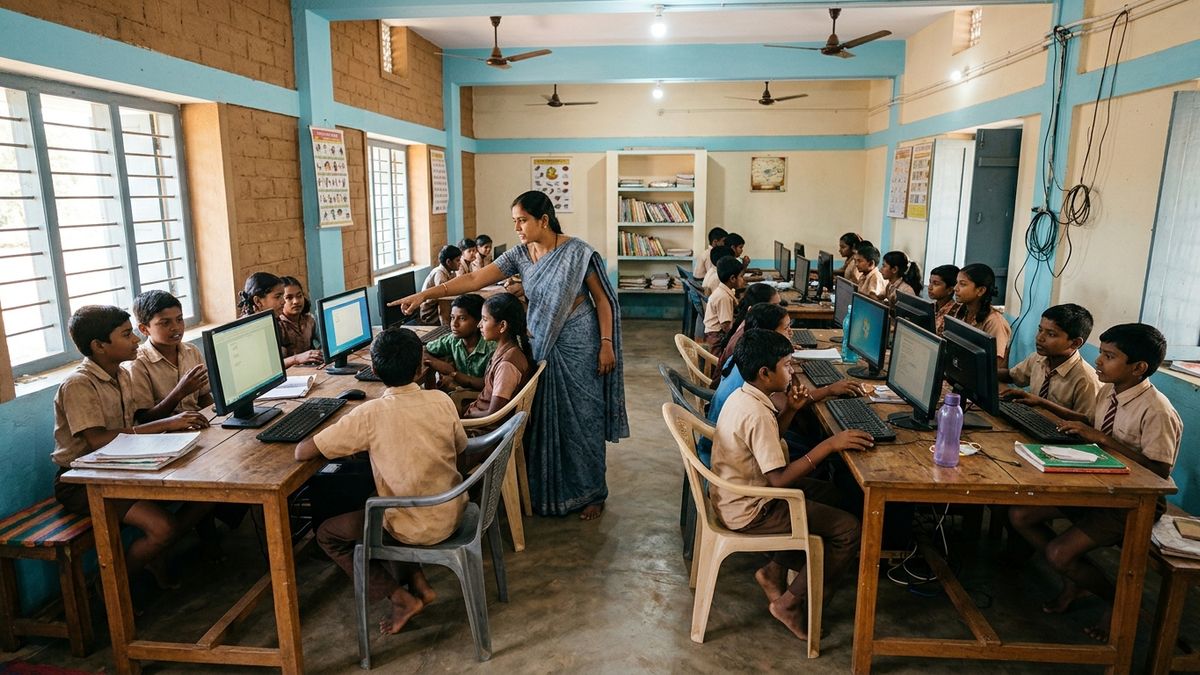
APNA PC transforms the economics of running a microschool. This Rs.30,000 complete bundle includes hardware, software, and digital learning resources specifically designed for educators launching PODs from home spaces. Rather than requiring expensive computer labs or IT infrastructure, educators can establish fully functional digital classrooms with a single APNA PC unit.
The bundle integrates seamlessly with India’s digital learning ecosystem. Access to DIKSHA digital learning platform provides curated educational content aligned with national standards. This means microschools India can offer curriculum-aligned instruction while maintaining the personalized touch that defines small school alternative philosophies. Teachers can customize learning paths, track individual progress, and adapt teaching strategies in real-time.
What makes APNA PC revolutionary for microschool learning is its affordability and simplicity. Homemakers without technical backgrounds can set up digital classrooms within hours. The system supports interactive lessons, collaborative projects, and assessment tools that would typically require substantial investment in traditional school infrastructure. POD operators report that APNA PC enables them to offer quality comparable to premium institutions at fraction of the cost.
How Home-Based Schools in India Are Leveraging Digital Tools
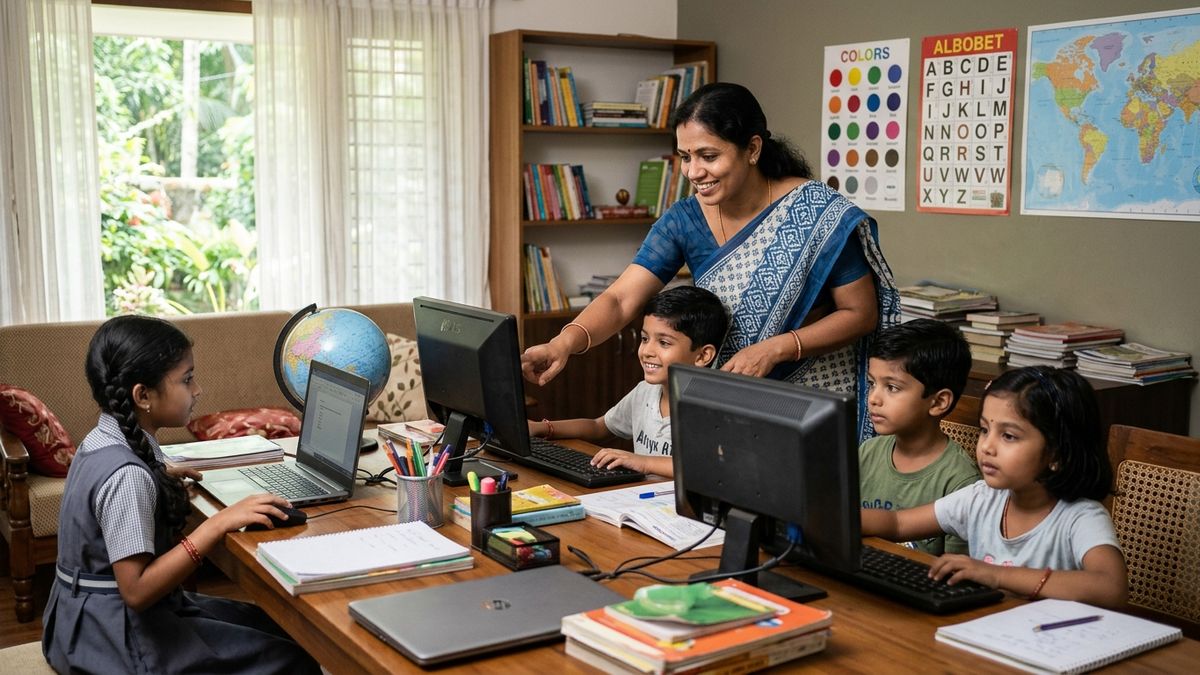
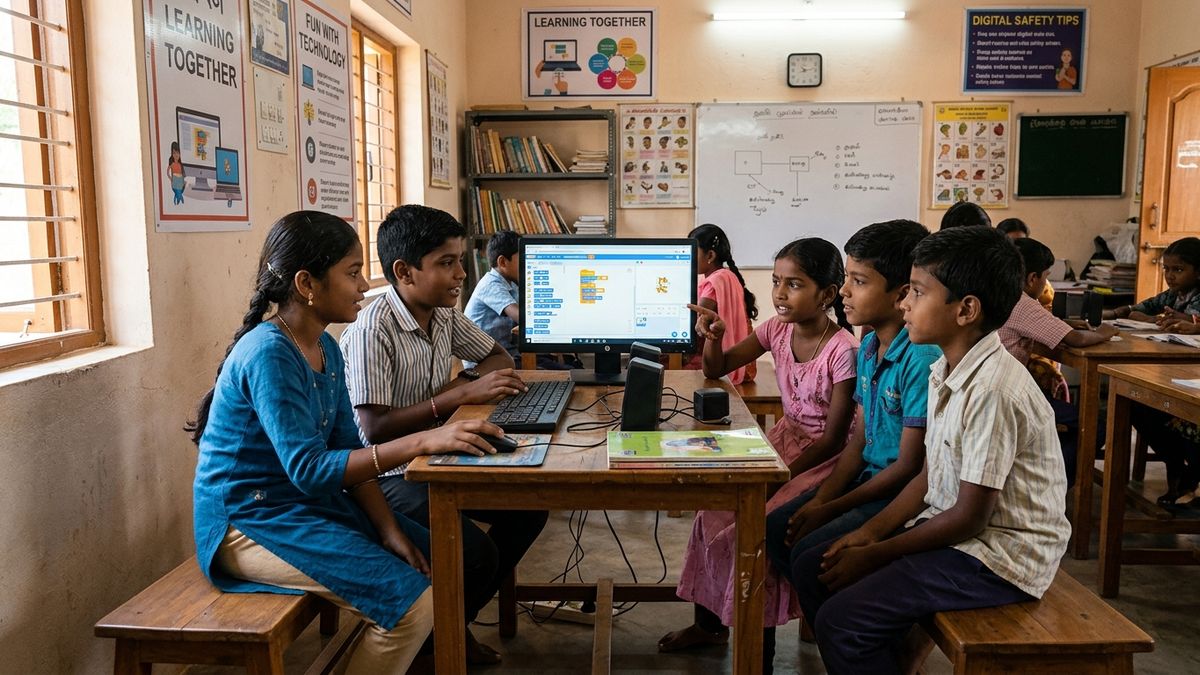
Home-based school India initiatives using APNA PC demonstrate remarkable outcomes. Educators create engaging learning experiences by combining digital resources with personalized mentoring. A POD operating from a modest home setup can serve students across multiple grades, subjects, and learning styles simultaneously.
The microschool learning model powered by APNA PC allows educators to:
- Conduct live interactive classes with small groups
- Access comprehensive digital libraries of educational content
- Provide individualized feedback and progress tracking
- Create blended learning experiences combining online and offline activities
- Build community connections with other POD educators
Parents appreciate the transparency and accessibility of home-based school India models. They can observe their child’s learning progress, communicate directly with educators, and ensure their child receives appropriate challenge levels. This contrasts sharply with large institutional settings where parent-teacher engagement often remains limited.
The Economics of Small School Alternative Models
Running microschools India requires fraction of the capital needed for traditional schools. With APNA PC at Rs.30,000, educators can launch PODs with minimal upfront investment. Operating costs remain low since home spaces eliminate rent for separate facilities, and the complete bundle includes all necessary software and digital resources.
This economic model democratizes education entrepreneurship. Homemakers, retired teachers, and passionate educators can generate sustainable income by serving 15-25 students at affordable fees. Microschool learning fees typically range from Rs.2,000-5,000 monthly, making quality education accessible to middle-class families while ensuring educators earn reasonable returns.
The small school alternative approach also proves environmentally sustainable. PODs reduce transportation needs, minimize physical infrastructure waste, and operate with lower energy consumption than traditional schools. This aligns with India’s broader sustainability goals while serving educational excellence.
Building Community Through Microschools India
Beyond academics, microschools India foster strong community bonds. Students develop meaningful relationships with teachers and peers. Parents become active stakeholders in their child’s education rather than passive observers. This sense of community creates accountability and shared responsibility for learning outcomes.
POD educators often collaborate, sharing best practices and resources. This peer learning network strengthens the entire microschool learning ecosystem across India. Teachers discover innovative approaches, troubleshoot challenges collectively, and celebrate student achievements together.
Discover how you can join this educational revolution. Learn more about establishing your own POD by visiting our Learning POD Home page. Explore emerging trends in Smart Classrooms India 2026 to understand how technology enhances microschool learning.
Getting Started with Your Microschool
Launching microschools India using APNA PC involves straightforward steps. First, assess your community’s learning needs and identify your target student group. Second, set up your home learning space with appropriate furniture, lighting, and the APNA PC bundle. Third, develop your curriculum framework aligned with your students’ goals. Finally, connect with other POD educators and parents to build your community.
Success requires commitment to personalized education and continuous improvement. Monitor student progress carefully, gather feedback from parents, and refine your teaching approaches. The microschool learning model thrives when educators remain responsive to individual student needs and community expectations.
Ready to transform education in your community? Start your microschool today and become part of India’s educational revolution. Visit TeachToEarn to explore APNA PC bundles, access POD setup resources, and connect with educators building the future of Indian education through microschools. Your journey toward empowering learners and earning sustainably begins now.