
Your Child Needs Digital Learning. You Don’t Need a Computer Science Degree.
Here’s the truth: most Indian parents believe they can’t support digital learning at home because they’re not tech experts. Wrong. You don’t need to understand code or troubleshoot servers. You need to understand your child. You need patience. You need a functioning device. That’s it.
The Digital India initiative has pushed educational technology into millions of homes, yet parents hold back. They worry. They think their lack of technical knowledge will hold their kids back. Meanwhile, their children are falling behind because nobody’s creating the right environment at home. Parental support for digital learning in India isn’t about being tech-savvy. It’s about being present and intentional.
Stop Waiting for Perfect Conditions
You don’t need the latest laptop. You don’t need a fancy setup. You need something that works consistently. APNA PC gives you exactly that for Rs.30,000. It’s a complete bundle: Mini PC with i3 7th Gen processor, 8GB RAM, 128GB SSD, monitor, keyboard, mouse, webcam, headset, education software, 3-year warranty, and installation. No surprises. No hidden costs. Just a reliable device ready to help your child learn.
Let’s be honest: when your child’s learning depends on a device that crashes every hour, nobody wins. Not your child. Not you. Not their teacher. APNA PC removes that excuse.
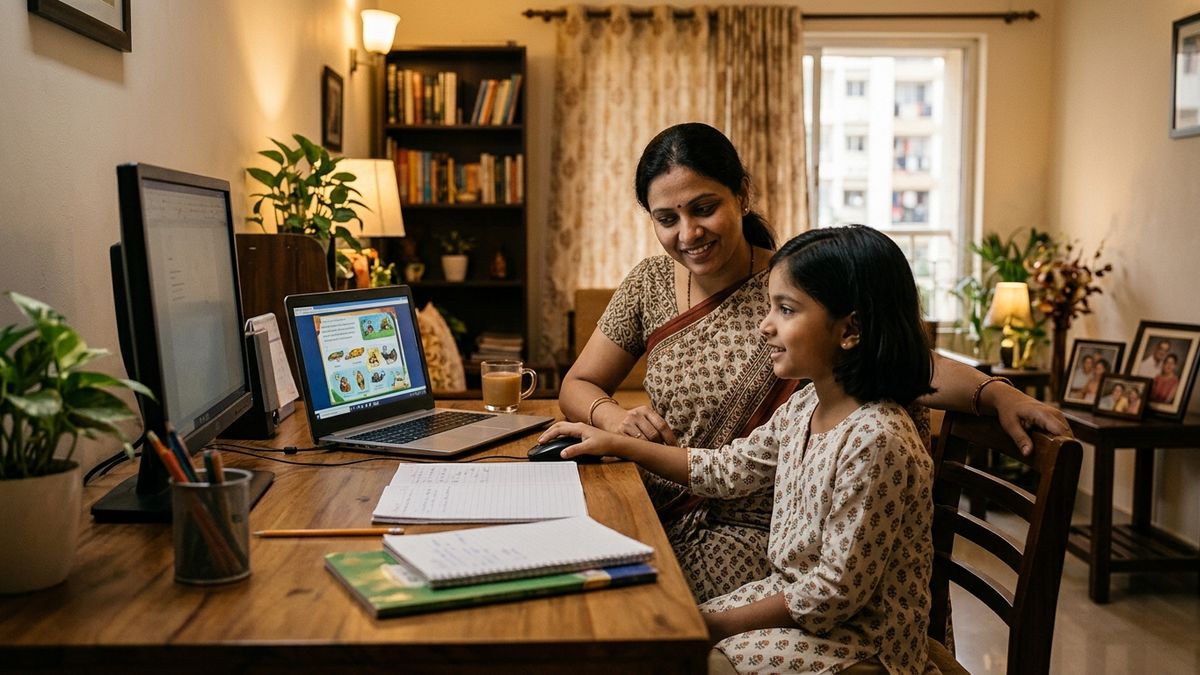
But equipment is only half the story. The other half is you.
What Parents Actually Need to Do
Most people don’t realise that supporting digital learning requires just four things:
- Set a fixed learning schedule. Not random. Not whenever. Every day, same time. Your child’s brain works better with rhythm. You work better with rhythm. Digital learning isn’t a substitute for routine. It needs routine.
- Create a dedicated learning space. Not the bedroom. Not the living room where the TV is on. A corner with the device, a chair, minimal distractions. This tells your child’s brain: this is where learning happens.
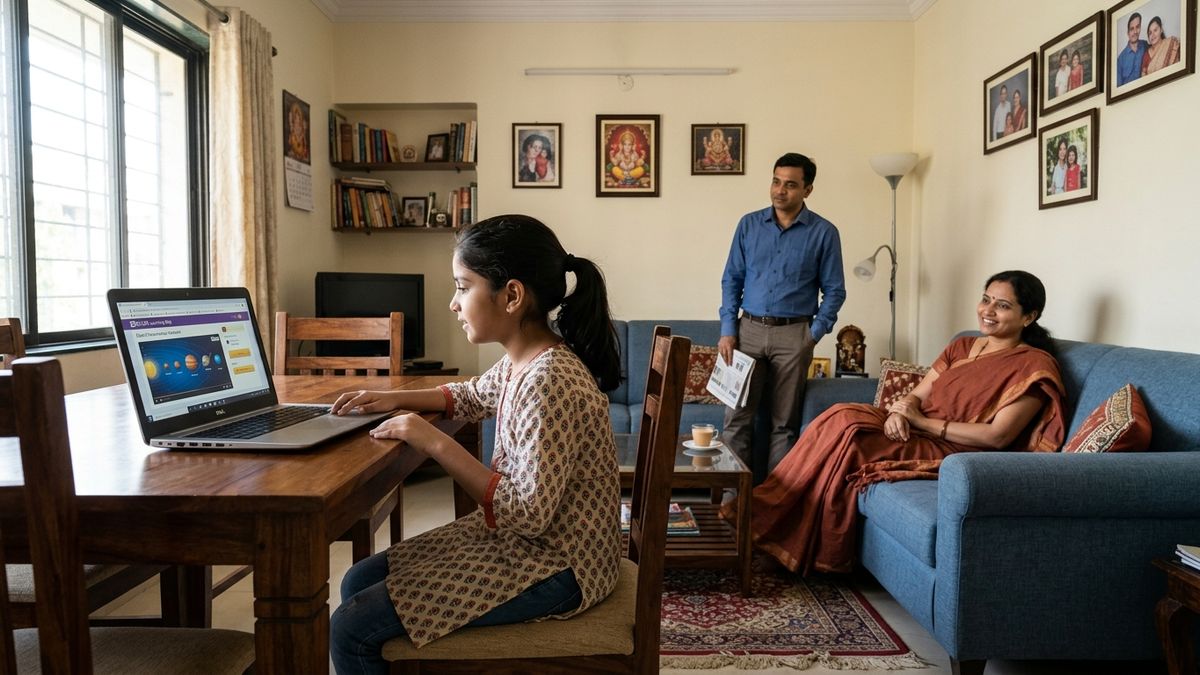
- Stay nearby, but don’t hover. Your presence matters. Your interference doesn’t. Sit in the same room. Read a book. Work on your phone. Let your child know you’re available if they get stuck, but that they’re expected to try first.
- Check in without interrogating. Don’t ask “What did you learn today?” Ask “Show me what you built today” or “What was hard about that lesson?” Ask questions that require them to think, not just report.
This is parental support for digital learning. It has nothing to do with knowing how to code or fix a router.
Track Progress Without Becoming a Spy
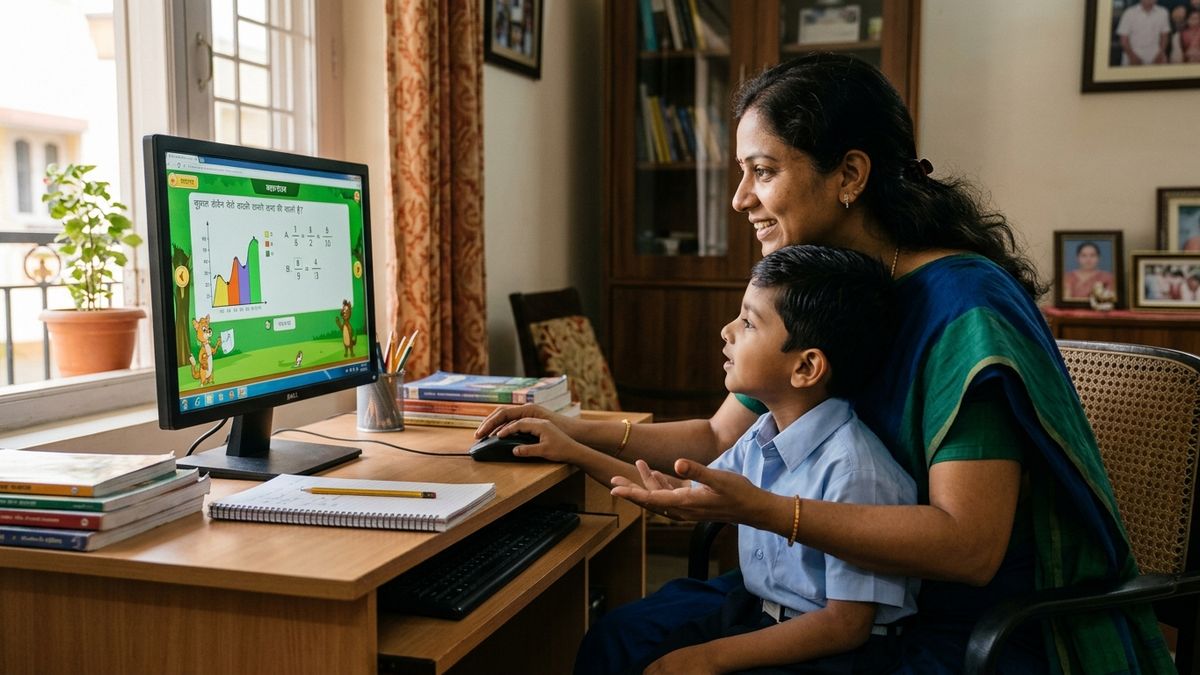
You want to know if your child is actually learning or just clicking through screens. Fair enough. That’s where digital tools help. You can track your child’s digital learning progress through dashboards that show time spent, lessons completed, and areas where they’re struggling. This isn’t about surveillance. It’s about data that helps you have better conversations with your child and their teacher.
When you see your child spent 45 minutes on fractions but only completed 3 problems, you know something’s wrong. Maybe they’re struggling. Maybe they’re distracted. Maybe the lesson isn’t clear. You can address it.
You also need to know about safety. Online safety tips for students aren’t optional extras. They’re essentials. Your child needs to understand that not everyone online has good intentions. They need to know which sites are safe. They need to know what personal information never gets shared. You need to teach this. Not the school. You.
What If You’re Running a Learning Pod?
If you’re a tuition teacher or educator running a Point of Digital Learning (POD) from home or a community centre, everything changes slightly but the principle stays the same. Parents still need to support what you’re teaching. They still need to create conditions for learning at home. They still need devices that work.
APNA PC becomes your foundation. One reliable system for teaching. One less thing to worry about. More time actually teaching.
If you’re thinking about starting a POD, know this: parents will support digital learning when they see it working. When their child comes home excited about what they learned. When they understand what’s happening. When the technology doesn’t get in the way.
The Real Barrier Isn’t Technology
According to Education in India, digital access has expanded dramatically. Yet outcomes haven’t matched that expansion. Why? Because parents assume they can’t help. Teachers assume parents won’t help. Kids assume they’re on their own.
The barrier isn’t the device. It’s the belief that you need to be a tech expert to support your child’s digital learning. You don’t. You need to be present. You need to care. You need a device that works. Everything else follows.
Stop waiting for perfect conditions. Stop assuming you’re not qualified. Your child needs parental support for digital learning right now. Not next year. Not when you’ve learned more about technology. Now.
Start with APNA PC. Start with a fixed schedule. Start with showing up. The rest will follow.
Ready to create a proper learning environment? Start a Teach to Earn learning pod and help your community while building your own income. Or invest in APNA PC for your home and commit to being the parent your child needs during digital learning.