
Private School Teacher Salary in India 2026: What You Actually Earn
A private school teacher in India earns between Rs 15,000 and Rs 60,000 per month in 2026, but most people do not realise the real numbers hide a brutal truth: location, qualification, and school reputation matter far more than your teaching ability.
You walk into a classroom. Thirty faces stare back. You have a degree, a passion for teaching, maybe even a B.Ed. Yet your salary sits nowhere close to what your cousin earns in IT. This is the reality of private school teacher salary in India right now.
Let us be honest: the private school sector is fragmented. There is no national standard. A teacher in Delhi earns differently from one in a tier-3 city. A teacher at a premium international school lives in a different financial world than one at a local English medium school.
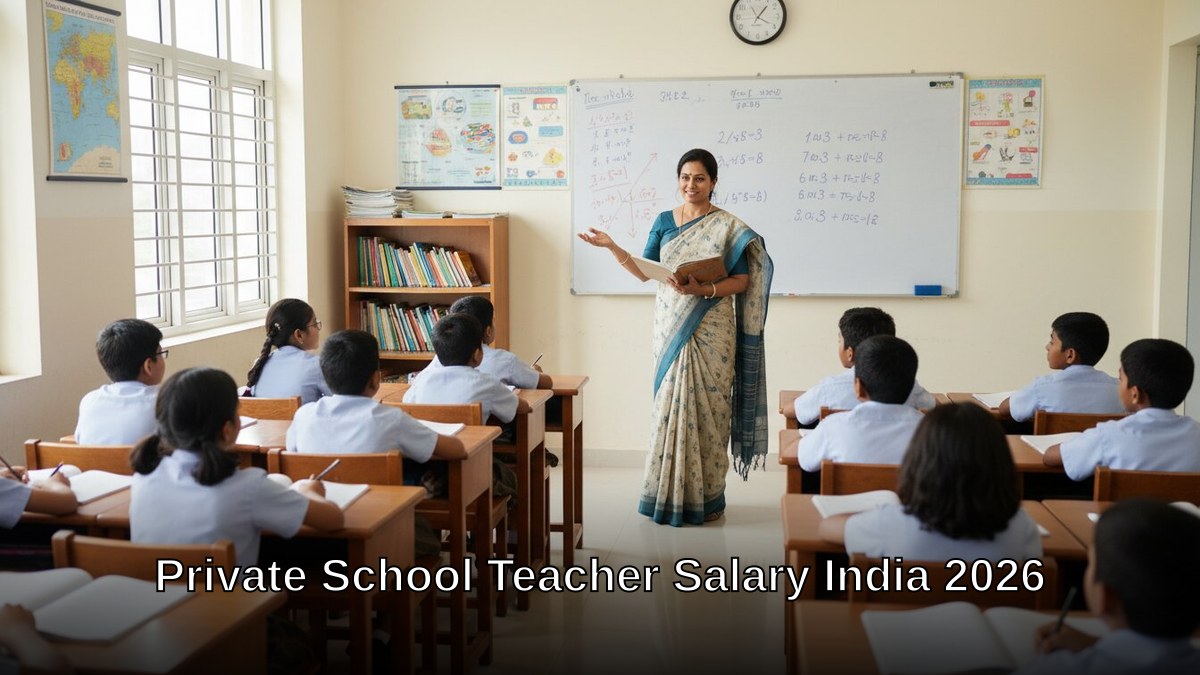
Private School Teacher Pay Structure: Breaking Down the Numbers
Here is the truth: your salary has multiple components. Base pay is just the beginning. Schools add dearness allowance, house rent allowance, medical allowance, and performance bonus. Some schools offer none of these.
A fresher with B.Ed earns Rs 15,000 to Rs 25,000 in smaller cities. In metros like Mumbai, Bangalore, and Delhi, the same fresher gets Rs 25,000 to Rs 35,000. After five years of experience, you might see Rs 30,000 to Rs 50,000. Senior teachers or those with master’s degrees or specialisations reach Rs 45,000 to Rs 60,000 or higher.
But here is what matters: most private schools do not offer fixed increments. Your raise depends on school performance, your evaluation score, and whether the owner likes you. This is not a government job with predictable growth.
- Entry level (0-2 years): Rs 15,000 to Rs 30,000 depending on city and school type
- Mid-career (3-7 years): Rs 30,000 to Rs 45,000 with some schools offering performance bonuses
- Senior (8+ years): Rs 45,000 to Rs 65,000 but ceiling exists in many schools
- International schools: Rs 50,000 to Rs 1,50,000 for experienced teachers
- Coaching centres and online tuition: Rs 20,000 to Rs 80,000 based on student volume and subject demand
Most people do not realise that private school teachers rarely get the benefits government teachers receive. No pension. Limited medical coverage. No gratuity. Your job security depends on enrollment numbers, not tenure.
School Teacher Salary by State: Geography is Destiny
Your state determines your earning power more than your credentials do. This is uncomfortable truth number two. Geography is destiny when it comes to private school teacher salary in India.
In Delhi and NCR, private school teachers earn 30-40% higher than national average. Bangalore, Mumbai, and Hyderabad follow closely. Teachers in these cities get Rs 35,000 to Rs 70,000 depending on school category.
Move to Uttar Pradesh, Bihar, or Rajasthan, and your salary drops sharply. A teacher earning Rs 50,000 in Delhi might earn Rs 28,000 in Lucknow at an equivalent school. The cost of living difference does not justify the pay gap.
Tamil Nadu, Kerala, and Maharashtra have slightly better pay scales than Hindi heartland states. Government-aided private schools (yes, they exist) sometimes follow government pay scales, offering stability but lower absolute pay.
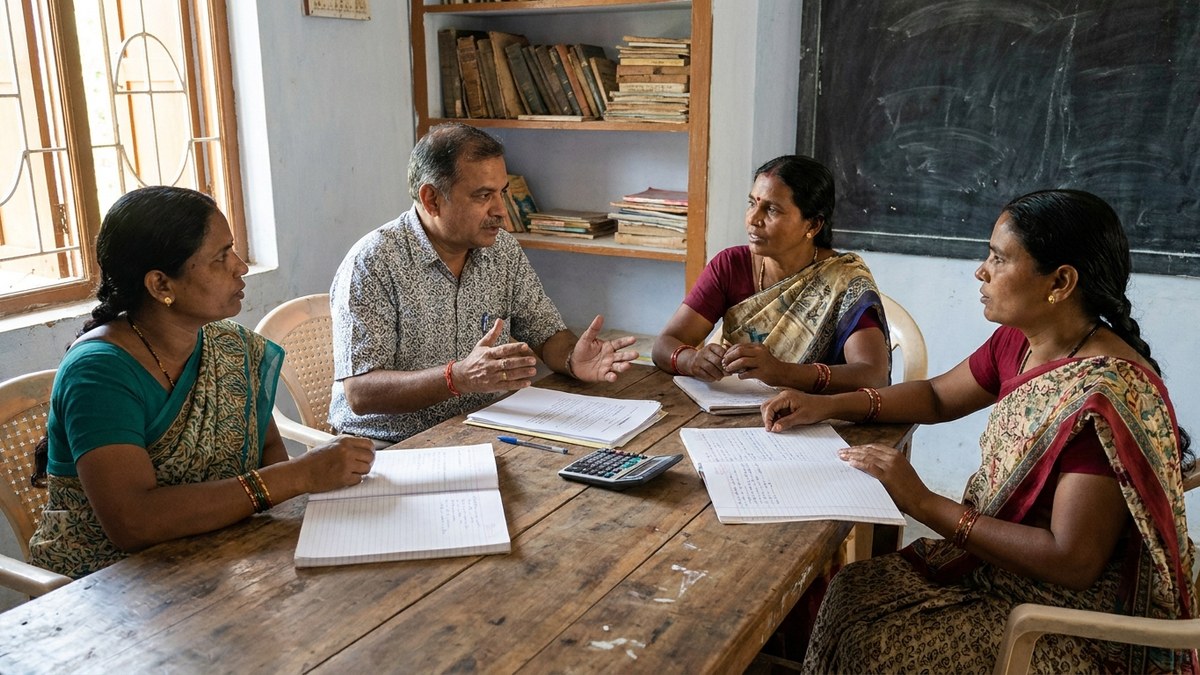
Here is what the Ministry of Education publishes: guidelines, not enforcement. Private schools operate in grey zones. Some follow recommendations. Most do not.
Beyond Classroom Teaching: Where Real Money Flows
Most private school teachers do not realise their salary is just the foundation. The real income opportunity sits outside the classroom.
Tuition classes. Online teaching. Test prep coaching. Curriculum content creation. These earn Rs 20,000 to Rs 1,00,000 extra monthly for active teachers. A teacher earning Rs 35,000 in school can double income through evening tuition.
Some teachers run learning pods or community learning centres. This is where the game changes. A Point of Digital Learning (POD) run by a trained educator can generate Rs 50,000 to Rs 2,00,000 monthly depending on student count and course offerings.
Understanding gamification in education and how AI tools like ChatGPT are changing teaching opens new income streams. Teachers who adapt to private school teacher salary realities and diversify earn more.
Why Private School Salary Stays Low: The Real Reason
Let us be honest: private school owners operate on thin margins. They compete on fees, not teacher salaries. The private school teacher salary structure reflects this reality. A school charging Rs 2 lakh annually cannot pay teachers like one charging Rs 5 lakh.
The school system in India treats teaching as a calling, not a profession. This mindset keeps salaries suppressed. Schools assume teachers will accept lower pay for “job satisfaction” and “serving society.”
Teacher supply exceeds demand in most states. Thousands graduate with B.Ed yearly. Schools know desperation exists. They offer low salaries. Teachers accept because alternatives are limited.
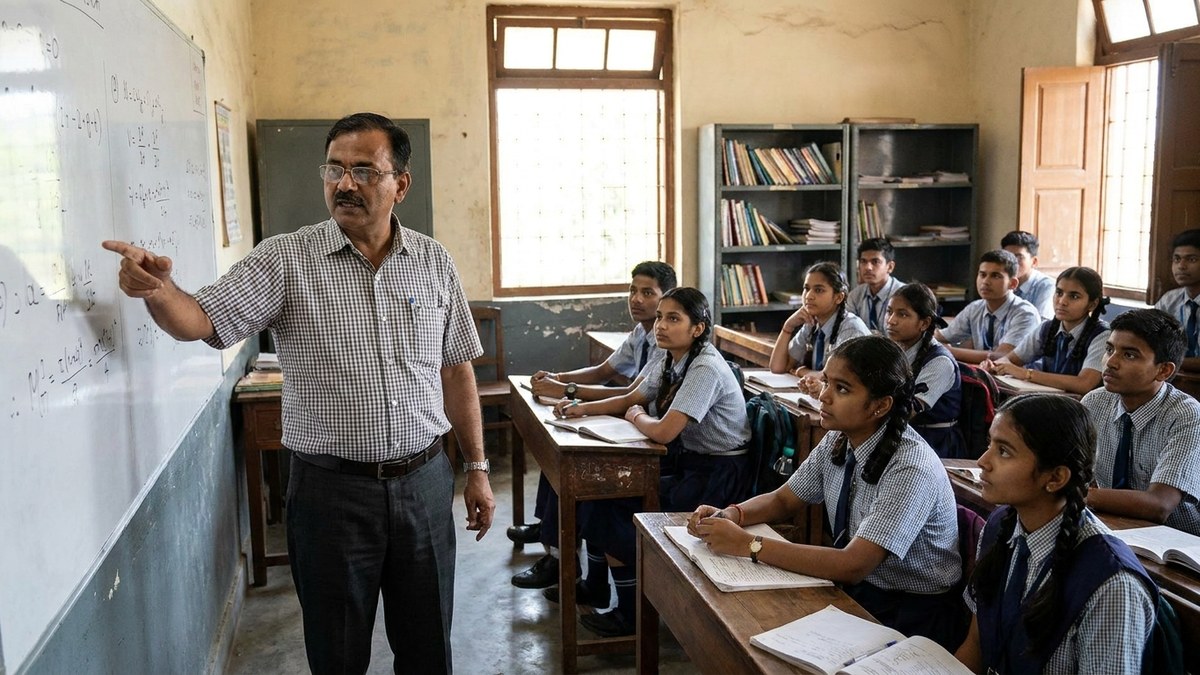
The Path Forward: Diversify or Stagnate
Here is your choice: stay in one school and watch your salary stagnate, or build multiple income streams.
Homemakers can start with tuition classes. Senior citizens can guide students online. Tuition teachers can transition to structured POD models. Edupreneurs can build curriculum and sell to schools.
The infrastructure exists. You need a basic setup. APNA PC is a complete bundle at Rs 30,000 that includes education software, Mini PC (i3 7th Gen, 8GB RAM, 128GB SSD), monitor, keyboard, mouse, webcam, headset, 3-year warranty, and installation. This single investment unlocks online teaching, content creation, and digital learning centre operations.
Starting a learning pod or community learning centre is realistic. You do not need a school building. You need trained educators, structured curriculum, and basic technology. Start a Teach to Earn learning POD and generate sustainable income while maintaining flexibility.
Private school teacher salary in India 2026 will not improve by waiting. It improves when you take control. Diversify income. Build your brand. Use technology. Become an edupreneur.
The salary ceiling in schools is real. The income ceiling in education is not. Choose which side you stand on.