
Your Child Deserves Better Than Solo Learning at Home
Here’s the truth: homeschooling in India doesn’t have to mean your child learning alone in a room while you juggle everything else. Thousands of Indian parents are discovering that a homeschool co-op group solves the isolation problem, builds real community, and gives kids the peer interaction they actually need. If you’ve been considering homeschooling but worry about your child missing out, a homeschool co-op India setup might be exactly what your family needs.
Let’s be honest. Starting a co-op feels daunting. You’re probably wondering: where do I even begin? Who do I partner with? How do I keep it organised? Most people don’t realise that building a community learning circle doesn’t require fancy infrastructure or complicated systems. It requires one thing: commitment from a small group of parents who want better for their kids.
What Actually Is a Homeschool Co-op Group?
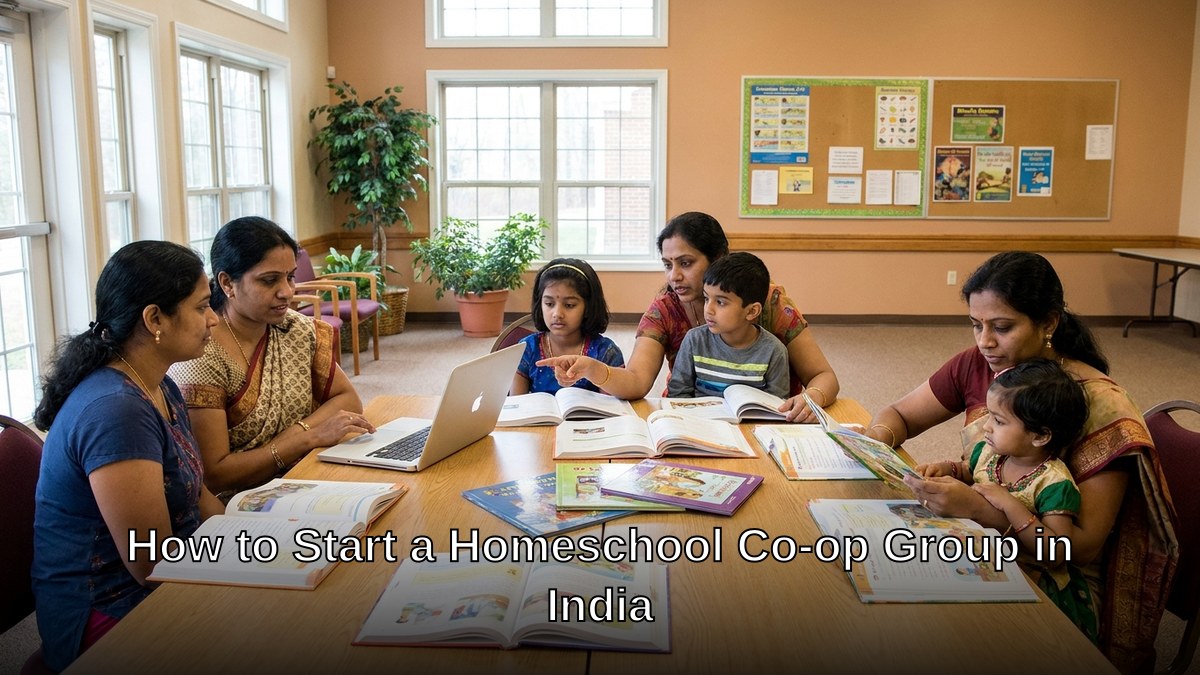
A co-op is simple: a group of homeschooling families pooling resources, time, and expertise to teach subjects together. One parent might teach science. Another handles mathematics. A third manages languages. Your child learns with 5 to 15 other kids instead of alone. Everyone benefits. Everyone contributes.
This is different from a tuition centre. It’s different from traditional school. It’s a community learning circle where parents take active roles and children learn together. According to UNESCO global education research, peer-based learning environments significantly improve retention and engagement. Your co-op isn’t just convenient. It’s backed by solid educational science.
Think of it as a Point of Digital Learning (POD) that you create yourself. A POD is a home or community learning centre run by trained educators. When you start one, you’re building exactly that structure but with distributed teaching responsibilities among committed parents.
- Parents share teaching load and expertise
- Children get peer interaction and social development
- Costs are split across families
- Curriculum can align with Central Board of Secondary Education (CBSE) standards or your chosen framework
- Flexibility remains yours to control
Step-by-Step: How to Start Your Homeschool Co-op Group
Step 1: Find Your Core Group
Start small. Three to five families. That’s it. Post in local WhatsApp groups, Facebook parent communities, or directly approach families you know are homeschooling. Look for parents who share similar educational values and commitment levels. This isn’t about finding perfect people. It’s about finding reliable people.
Step 2: Define Your Structure
Meet once and decide the basics. How many days per week? Which subjects? Which age groups? Will you follow CBSE curriculum or something else? Write it down. Literally write it down. Vague agreements fall apart when the third week hits and someone doesn’t show up.
Step 3: Assign Subjects and Rotating Roles
Each parent takes responsibility for teaching one or two subjects. Rotate who hosts the group each week or month. This distributes the burden and keeps things fresh. You’re not asking one person to do everything. You’re asking everyone to do something.
Step 4: Set Up Your Learning Space
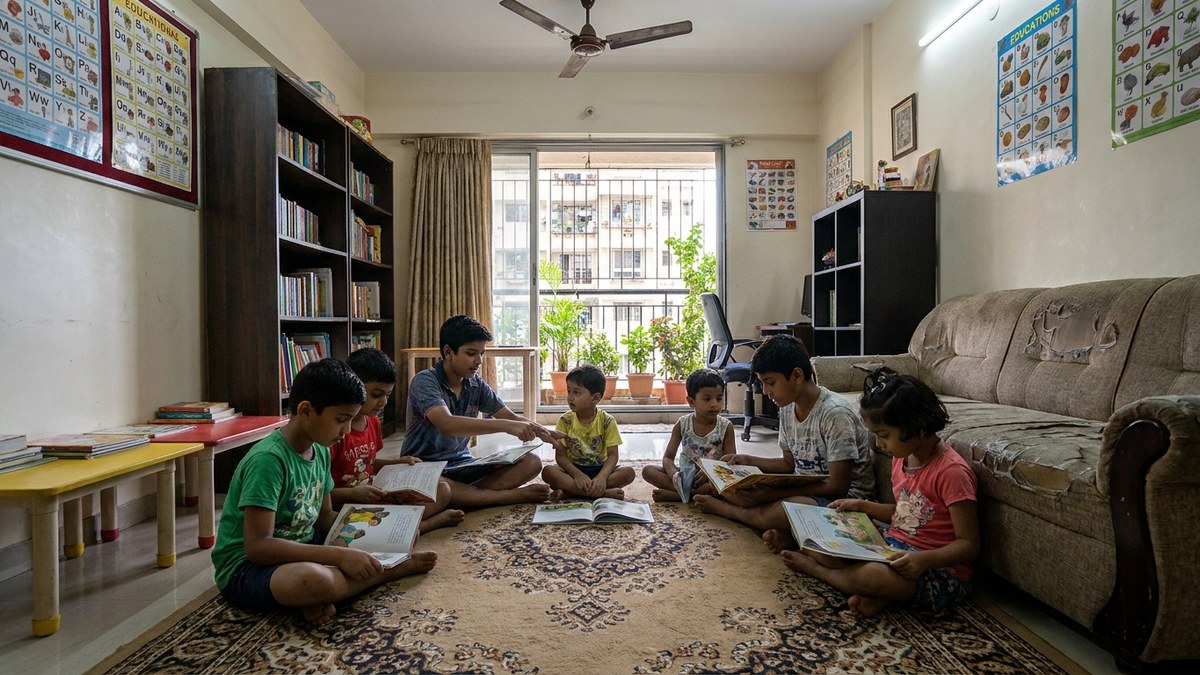
You don’t need a fancy building. Use someone’s living room. Use a community hall. Use a garden space. What you need is basic infrastructure: a table, chairs, good lighting, and ideally a computer with internet access. This is where APNA PC comes in. For Rs.30,000, you get a complete bundle including a Mini PC (i3 7th Gen, 8GB RAM, 128GB SSD), monitor, keyboard, mouse, webcam, and headset plus 3-year warranty and installation. One APNA PC in your co-op space means every child can access digital learning resources, educational videos, and online tools without breaking the budget.
Step 5: Create a Simple Schedule and Communication System
Use a Google Sheet or simple WhatsApp system to track attendance, assignments, and updates. Nothing complicated. Parents need to know what’s happening, when, and what their child should prepare. This prevents chaos.
Step 6: Plan Your Curriculum Together
Decide if you’re following CBSE standards, ICSE, or a custom curriculum. Most co-ops blend approaches. You might use CBSE for core subjects but add enrichment activities like coding, arts, or debate. The flexibility is yours.
Keeping Your Co-op Group Sustainable
Most people don’t realise that co-ops fail not because of bad ideas but because of poor communication and uneven effort. Here’s how to avoid that.
First, establish clear expectations upfront. Who pays for what? How much per month? What happens if someone misses sessions? What’s the commitment period? Six months? A year? Write this down. Discuss it. Agree.
Second, use technology smartly. An AI chatbot for resolving student doubts can save your teachers hours. Instead of every parent fielding questions from kids, have a system that answers common questions. Tools like these let your co-op scale without adding more work.
Third, keep meetings focused. One hour of focused learning beats three hours of chaos. Respect parents’ time and children’s attention spans.
Fourth, celebrate wins. When your co-op completes a project, hosts a science fair, or finishes a unit, acknowledge it. These moments build community and keep motivation high.
The Real Benefits Beyond the Obvious
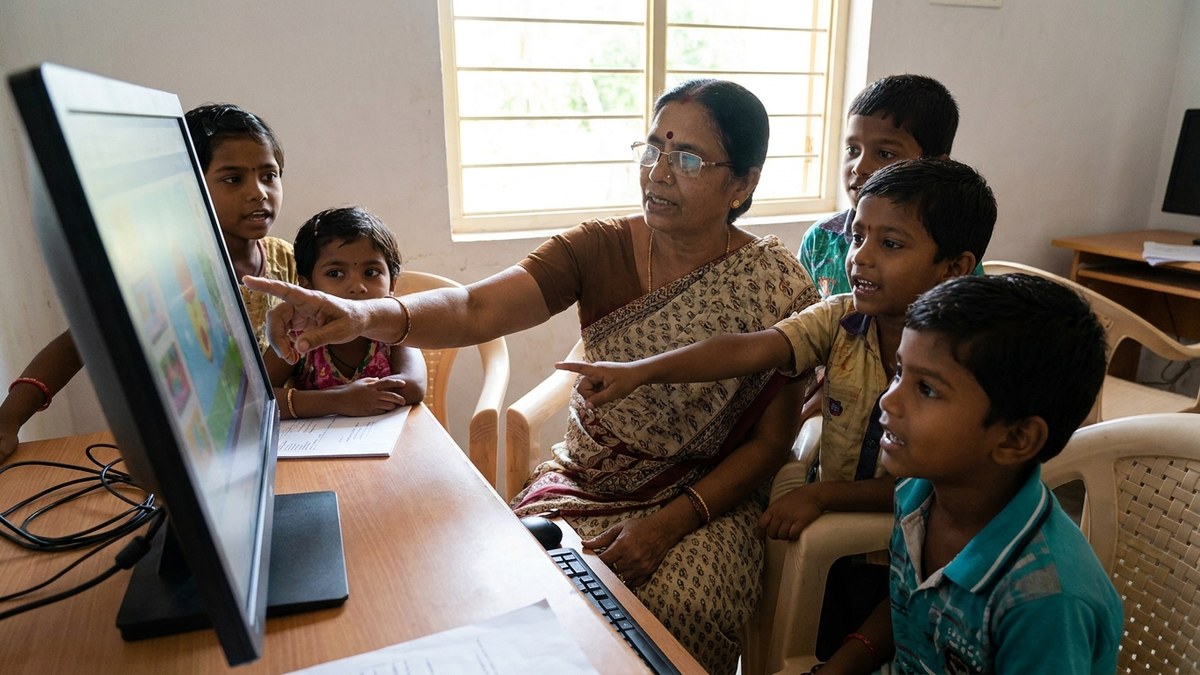
Yes, your child gets peer interaction. Yes, you share the teaching load. But there’s more. Your homeschool co-op becomes a safety net. When one parent is overwhelmed, others step in. When a child struggles with a subject, multiple teachers can help. When you need advice on curriculum or assessment, you have a community of experienced parents to consult.
For tuition teachers looking to expand, a co-op is your entry point to group teaching. You can partner with an existing group or help parents start one. You bring expertise. They bring families. Everyone wins. Check out how to get more home tuition students by positioning yourself as a co-op facilitator.
Your group also positions you to offer hybrid learning. Some sessions in-person with peers. Some sessions online or one-on-one. This flexibility attracts more families and creates more opportunities for you.
Start This Month, Not Next Year
The best time to start a co-op group was last year. The second-best time is this month. Identify three families today. Send them a message. Suggest a coffee meeting. Talk about your vision. Most will be relieved someone else brought it up. They were waiting for someone like you to take the first step.
Invest in the right tools. Get an APNA PC for your learning space so every child has access to digital resources. Invest in your community. Invest in your child’s education. The return will be far greater than the cost.
Ready to build your homeschool co-op? Start with the basics: people, purpose, and place. Everything else follows.
Get APNA PC for your community learning space today and give your group the technology foundation it needs to thrive.