
Study Habits at Home: Why Most Families Get This Wrong
Your child studies for two hours every evening. Books are open. Desk is clean. Yet nothing sticks. Sound familiar? Here is the truth: study habits at home fail not because students lack discipline, but because the environment lacks structure. A learning POD changes this equation entirely.
Most people do not realise that study habits are built through three things: consistent routine, proper equipment, and guided accountability. Not motivation. Not intelligence. Not expensive tuition fees. When you combine these three elements in a home setting, learning transforms. This is what a learning POD delivers.
Whether you are a homemaker wanting to support your children’s education, a senior citizen mentoring grandchildren, a tuition teacher expanding your reach, or an edupreneur building a business, understanding how to establish strong study habits at home is non-negotiable. This post shows you exactly how.
The Foundation: Environment Matters More Than You Think
Let us be honest: a child studying on a bed with a phone nearby will not develop real study habits. The brain does not separate learning spaces from distraction spaces. You need a dedicated area. Not a room necessarily. A corner works. A table works. What matters is consistency.
Here is what that corner needs:
- A sturdy desk or table (not wobbly, not too small)
- Proper lighting (natural light preferred, but a desk lamp works)
- A reliable computer or tablet for digital learning resources
- Noise control (quiet enough for concentration)
- All materials within arm’s reach (books, notebooks, pens)
The APNA PC bundle solves the equipment problem directly. At Rs.30,000, it gives you a complete system: Mini PC with i3 7th Gen processor, 8GB RAM, 128GB SSD, monitor, keyboard, mouse, webcam, and headset. Add the education software and three-year warranty. Installation is included. This is not just a computer. It is the backbone of a learning POD.
Why this matters: student learning patterns show that quality equipment reduces friction. When a student can access lessons smoothly, record progress easily, and communicate with mentors without lag, they study longer and retain more.
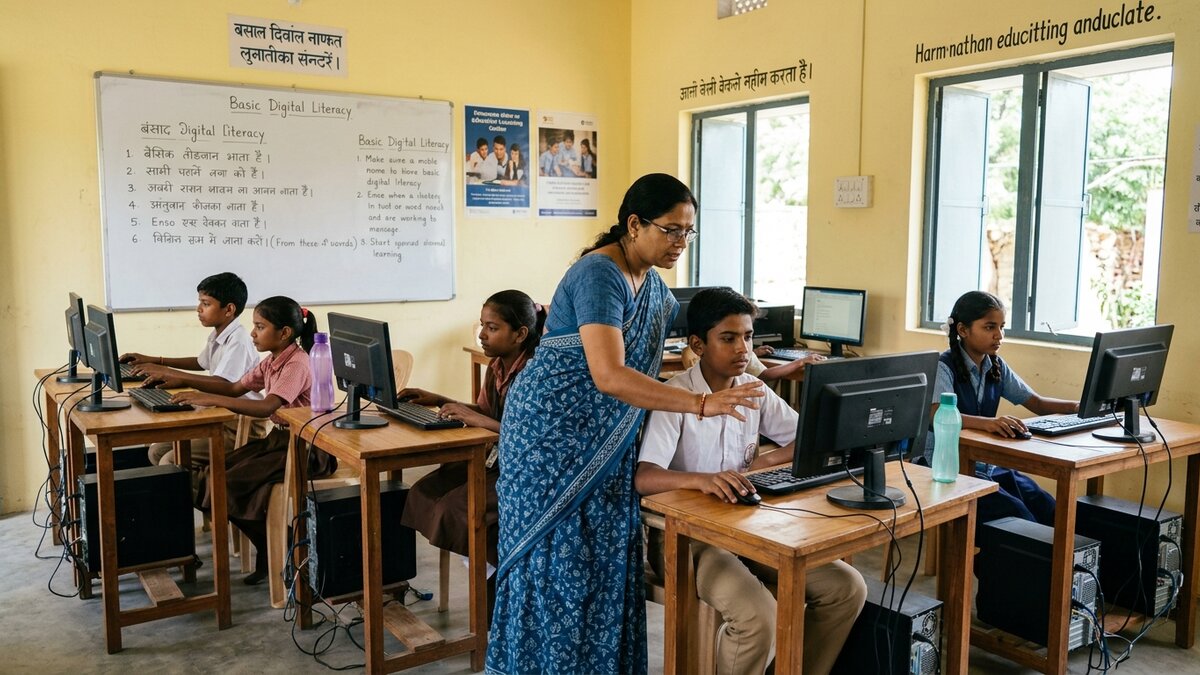
Building the Study Routine: The 3-2-1 Framework
Most people do not realise that study habits are built through repetition, not through willpower. You need a system. Here is one that works in a learning POD setting:
3 hours of focused study per week minimum. Not continuous. Broken into sessions. A child studying 45 minutes per day, five days a week, develops stronger habits than cramming on weekends.
2 check-in points per week. An educator or parent reviews progress. Not to punish. To celebrate wins and adjust what is not working. This accountability is what separates study habits from random studying.
1 weekly review session. Student looks back at what they learned. What confused them. What they mastered. This reflection cements learning in long-term memory.
In a learning POD, this framework is built into the software. The educator tracks attendance. The system logs which topics were covered. Progress becomes visible. Parents see it. Students see it. Habits form because progress is undeniable.
Why a Learning POD Outperforms Solo Home Study
A learning POD is not just a student studying alone at home. It is a trained educator guiding 5-15 students in a home or community space. The difference is profound.
When you run a learning POD from home, you create peer learning. Students see others studying. They ask questions. They explain concepts to each other. Research shows this multiplies retention by up to 40%. A solo student at home misses this entirely.
You also create accountability that a parent cannot provide. A parent loves their child unconditionally. An educator loves their students and holds them to standards. That difference matters. Students work harder for an external authority figure.
If you are a tuition teacher, a learning POD is your path to scaling without burning out. If you are a homemaker, it is how you create a micro-business while supporting education in your community. If you are a senior citizen, it is how you stay engaged and earn. Our guide to starting a learning POD walks you through every step.
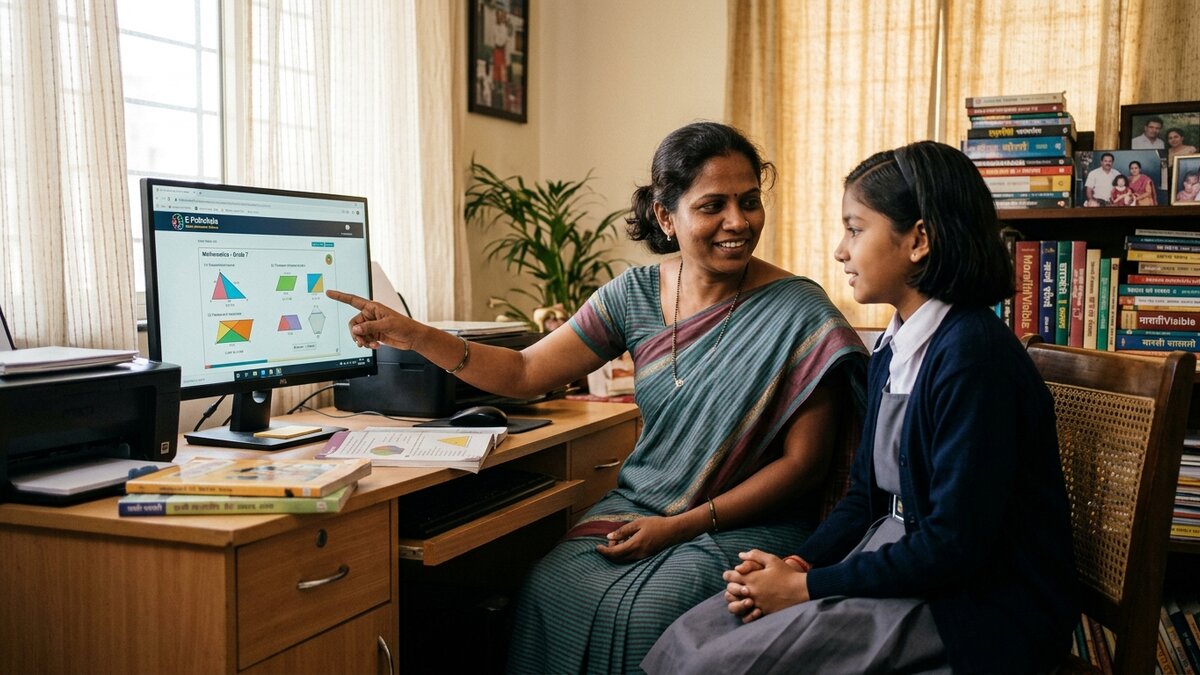
The Equipment Question: Why APNA PC Works
Let us be honest: you cannot run a modern learning POD without reliable technology. Students need to access online resources. You need to track their progress. Parents need visibility. The old system of chalkboards and notebooks is dead.
The APNA PC bundle exists for exactly this reason. It is built for Indian conditions. The i3 7th Gen processor handles education software smoothly. 8GB RAM means multiple tabs and applications run without lag. 128GB SSD provides storage for years of student data. The three-year warranty and installation remove the headache of setup.
At Rs.30,000, it is an investment. But compare it to: a tuition center rent (Rs.5,000-15,000 per month), internet costs, and hiring staff. A learning POD pays for itself in two months if you charge Rs.500-800 per student per month.
Practical Steps to Start Today
You do not need permission to build study habits at home. You do not need a fancy setup. You need:
- A dedicated study space (your corner starts now)
- A routine (3-2-1 framework, written down)
- Reliable equipment (APNA PC bundle handles this)
- An accountability structure (a tutor, a parent check-in, or a learning POD)
If you want to scale this into a business, check out our guide to starting a coaching class from home. If you are exploring full homeschooling, read our complete homeschooling guide for India.
The Ministry of Education recognizes learning PODs as legitimate educational infrastructure. This is not a workaround. It is the future of Indian education.
Ready to build study habits that actually stick? Start your learning POD today. The equipment is ready. The framework is clear. The only thing missing is you.