
21st century skills are the abilities students need to succeed in work, education and life beyond traditional academic knowledge. These skills include critical thinking, creativity, communication, collaboration and digital literacy. This article covers what these skills are, why they matter for Indian students, and how teachers and parents can help develop them.
What Are 21st Century Skills?
21st century skills are a set of competencies that go beyond memorising facts and formulas. They focus on how students think, work together, solve problems and adapt to change. Unlike traditional subjects taught in isolation, these skills blend knowledge with practical ability.
The core 21st century skills fall into four categories: learning and innovation skills (creativity, critical thinking, communication, collaboration), digital literacy (using technology effectively), life and career skills (flexibility, leadership, responsibility), and information literacy (finding, evaluating and using information wisely). Columbia University’s framework for 21 skills for the 21st century emphasises that these abilities prepare students for jobs that do not yet exist.
Why 21st Century Skills Matter for Indian Students
Indian education has traditionally focused on rote learning and exam scores. However, employers across sectors now seek graduates who can think independently, work in teams, communicate clearly and use technology confidently. The gap between what schools teach and what jobs require is widening.
Students who develop 21st century skills are better prepared for competitive entrance exams, higher education, and career growth. They are also more resilient when facing uncertainty and change. Workshops on 21st century skills in education highlight that these competencies are no longer optional, they are essential for every student’s future.
The Four Core Categories of 21st Century Skills
Understanding each category helps teachers, parents and students focus their efforts on the skills that matter most.
- Learning and Innovation Skills: Creativity, critical thinking, communication and collaboration. Students learn to ask questions, generate ideas, explain their thinking, and work effectively with others.
- Digital Literacy: Comfort with technology, coding basics, online safety, and using software tools. As more jobs require digital skills, students who can code, use design software or manage digital content have a clear advantage.
- Life and Career Skills: Flexibility, leadership, responsibility, self-direction and social awareness. These help students navigate career changes, manage stress and contribute to their communities.
- Information Literacy: Finding reliable sources, evaluating credibility, analysing data and synthesising information. In an age of misinformation, this skill protects students and helps them make informed decisions.
How Teachers Can Build 21st Century Skills in the Classroom
Teachers play a central role in shifting from content delivery to skill development. Project-based learning, where students solve real-world problems in groups, naturally builds collaboration and critical thinking. For example, a Class 9 science class might investigate water quality in their neighbourhood, collect data, present findings and propose solutions.
Incorporating coding and digital tools into lessons makes learning active and relevant. Vedic maths classes combine traditional knowledge with modern problem-solving approaches, helping students see maths as a creative tool rather than a set of rules to memorise. Teachers can also use typing speed training for government exams to build digital fluency alongside exam preparation.
Peer feedback, open-ended questions and presentations encourage communication and confidence. Teachers who model curiosity, admit mistakes and show how they solve problems teach students that learning is a lifelong process.
How Parents Can Support 21st Century Skill Development at Home
Parents do not need to be tech experts to foster these skills. Asking children open-ended questions, “What would you do if…?” or “How did you solve that?”, builds critical thinking. Encouraging group projects, family discussions about current events and collaborative problem-solving at home all develop collaboration and communication.
Exposure to technology should be balanced and purposeful. Instead of passive screen time, guide children toward coding games, digital art, online learning platforms or creating content. Allowing children to fail safely, try again and reflect on what they learned builds resilience and self-direction.
Parents can also connect learning to real life. Visit a local market and discuss pricing strategies, visit a construction site and explore engineering, or involve children in community service. These experiences show that skills learned in school have practical value.
Digital Tools and Platforms That Develop 21st Century Skills
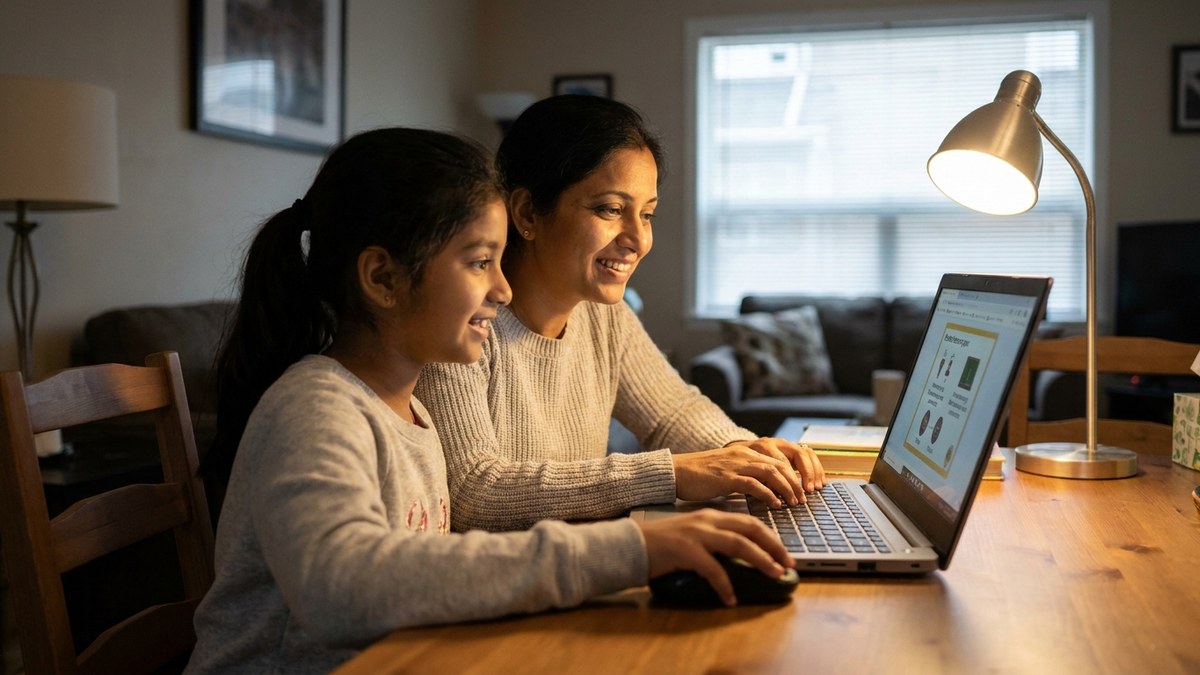
Technology is a powerful enabler of 21st century skill development. Coding platforms like Scratch teach logic and creativity through visual programming. Design software like Blender or LibreCAD helps students think in three dimensions and solve spatial problems. Video editing, digital art and music production tools develop creativity and technical fluency.
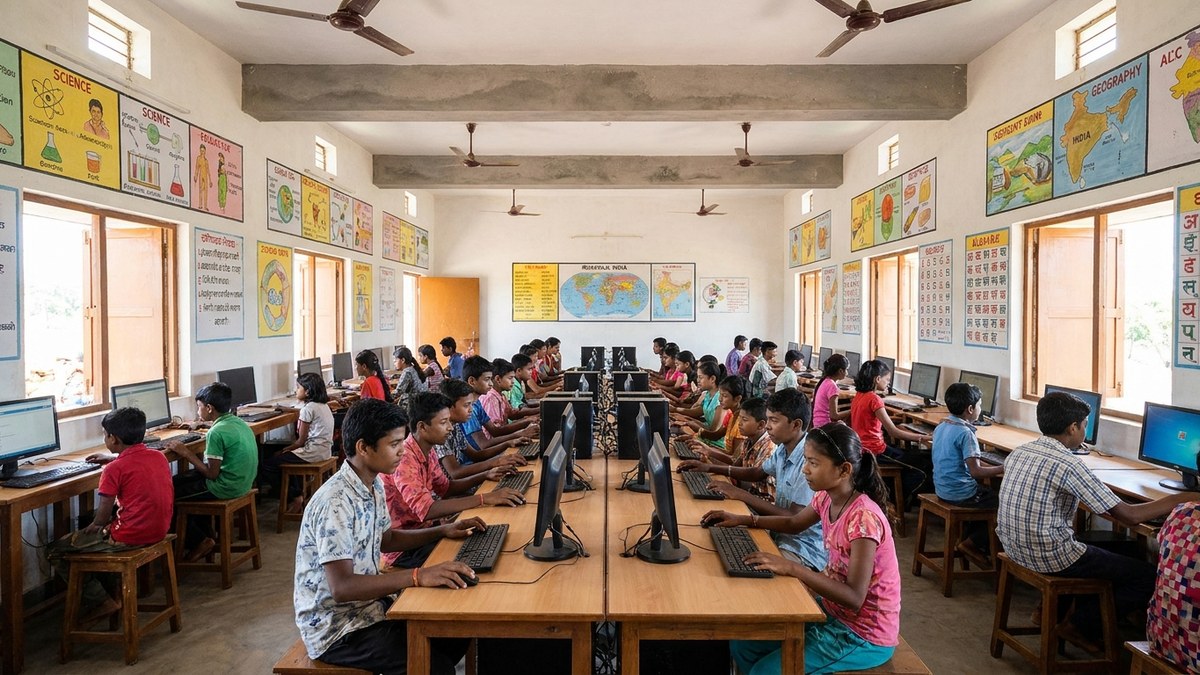
Community learning centres, known as PODs (Points of Digital Learning), provide access to computers, software and mentorship for students who lack resources at home. APNA PC is a complete, affordable bundle designed for such centres and homes. The bundle includes a mini PC with Intel Core i3 7th Gen processor, 8GB RAM and 128GB SSD, along with monitor, keyboard, mouse, webcam and headset. It comes with a 3-year warranty and installation included, and runs on Zorin OS or Windows.
The APNA PC bundle is pre-loaded with essential software for 21st century skill development: Scratch for coding, LibreOffice for productivity, LibreCAD for design, Blender for 3D creation, VS Code for programming, Arduino IDE for hardware projects, and Audacity for audio editing. This setup enables students to learn coding, design, digital creation and technical skills without expensive equipment or software licenses.
Apni Pathshala operates PODs across 21 Indian states, delivering over 30,000 hours of learning. The APNA PC bundle also includes Apni Prerna, software that supports student safety and monitoring, ensuring a secure learning environment. For students exploring foundational skills, abacus classes develop number sense and mental maths, which pair well with digital learning tools.
Balancing 21st Century Skills With Academic Excellence
A common concern is that focusing on 21st century skills will weaken academic performance. In reality, these skills strengthen it. A student who thinks critically understands concepts more deeply than one who memorises. A student who collaborates learns from peers and retains knowledge longer. A student who communicates clearly can explain their reasoning in exams.
The goal is integration, not replacement. Science lessons can teach coding through Arduino projects. History lessons can develop communication through debates and presentations. Maths can combine traditional problem-solving with digital tools. Schools and tuition centres that blend content mastery with skill development produce students who excel in both exams and life.
Building 21st Century Skills Across All Student Groups
Every student deserves access to 21st century skill development, regardless of background. The Right to Education Act ensures free seats in schools, creating a foundation for equal access. However, digital tools and mentorship remain unevenly distributed. Community PODs, affordable technology bundles and open-source software help bridge this gap and ensure that students from all economic backgrounds can develop these essential skills.
Frequently Asked Questions
What is the difference between 21st century skills and traditional academic skills?
Traditional academic skills focus on knowing facts and procedures, memorising dates, formulas or grammar rules. 21st century skills focus on what you do with that knowledge: think critically about it, communicate it clearly, collaborate to solve problems and adapt when circumstances change. Both matter; 21st century skills make academic knowledge useful.
Can 21st century skills be taught in government schools in India?
Yes. They do not require expensive equipment or special training. Project-based learning, group discussions, presentations and real-world problem-solving can happen in any classroom. However, access to computers and digital tools speeds up learning in coding, design and digital literacy. Community PODs and affordable bundles like APNA PC help bridge this gap.
How long does it take to develop 21st century skills?
These skills develop over years through consistent practice, not overnight. A student might learn basic coding in weeks but develop deep computational thinking over years. The key is starting early, practising regularly and reflecting on progress. Schools and homes that prioritise these skills from Class 1 onwards see the strongest results.
Are 21st century skills the same in every country?
The core skills, critical thinking, creativity, collaboration, communication and digital literacy, are universal. However, how they are applied varies by culture, industry and context. An Indian student learning 21st century skills should also understand Indian perspectives, local challenges and opportunities in their community.
Which 21st century skill is most important for Indian students right now?
Digital literacy is increasingly critical because technology shapes education, work and daily life. However, no single skill stands alone. A student who can code but cannot communicate their ideas, or who thinks critically but cannot collaborate, is incomplete. Develop all four categories together for the strongest foundation.
21st century skills are not optional extras, they are the foundation of success in a rapidly changing world. Whether you are a student, parent or teacher, start building these abilities today. Explore APNA PC bundles to access affordable technology that enables coding, design and digital learning in your home or community centre.