
Why Parents Are Paying for Abacus Classes Right Now
Here’s the truth: parents aren’t paying for math skills alone. They’re paying for focus, speed, and the confidence their child gets from mastering something tangible. Abacus classes have seen a real surge in India over the past three years, especially in metros and tier-2 cities. Parents search “abacus classes near me” because they want something local, affordable, and proven. If you’re a tuition teacher, homemaker, or retired professional thinking about starting abacus classes, this is the right time.
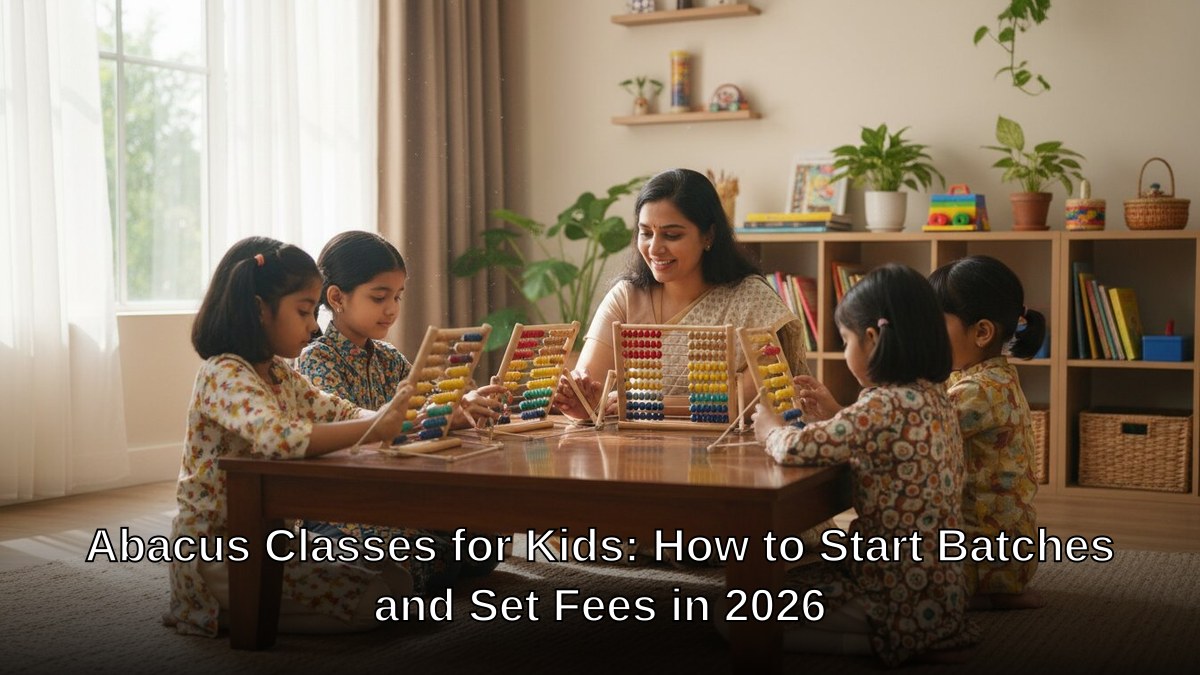
An abacus batch isn’t complicated. It’s 8 to 12 kids, split by age and ability. You run two sessions a week, 60 to 90 minutes each. Kids aged 5 to 13 come in, work through levels, and improve their mental math speed. That’s it. No magic, no fancy equipment needed. But the money? That’s real, and the margins are solid if you run it right.
How to Structure Abacus Classes: Batch Size and Fee Setting
Most people don’t realise that batch structure directly affects your profit. You can’t just dump 20 kids in a room with an abacus. You need levels. Level 1 is for beginners (ages 5-7). Level 2 and 3 are for kids who’ve completed basics (ages 7-10). Advanced levels (4-5) are for serious learners (ages 10-13). Each level takes 3 to 4 months to complete. Kids move up when they’re ready, not on a calendar.
Two sessions per week is the sweet spot. One batch on Monday-Wednesday, another on Tuesday-Thursday. This lets you use the same space twice and reach more families without burning out. Each session runs 60 to 90 minutes depending on the age group and your pace.
Now, fees. Let’s be honest: what you charge depends on where you are.
- Metro cities (Delhi, Mumbai, Bangalore, Pune): A common range is Rs. 1,500 to Rs. 2,500 per month per child. Some teachers charge Rs. 2,000 to Rs. 3,000 for premium batches with smaller groups or one-on-one mentoring.
- Tier-2 cities (Jaipur, Lucknow, Indore, Coimbatore): Rs. 800 to Rs. 1,500 per month is standard. Parents here are price-conscious but willing to pay for quality.
- Small towns and rural areas: Rs. 400 to Rs. 800 per month works. Volume matters more here because margins are thin.
Keep your kit and book charges separate from monthly fees. Sell the abacus kit (Rs. 300-500), workbooks (Rs. 100-200 per level), and progress sheets as one-time or per-level charges. This is honest and parents appreciate clarity. If a sibling joins, offer 10-15% discount on the second child’s fees. If a parent pays three months in advance, give them 5% off. These small incentives drive loyalty and cash flow.
The Ministry of Education has also pushed for structured skill-based learning in recent years, which has created more awareness around programs like abacus and vedic math among Indian parents.
Franchise vs. Starting Independent: The Real Math
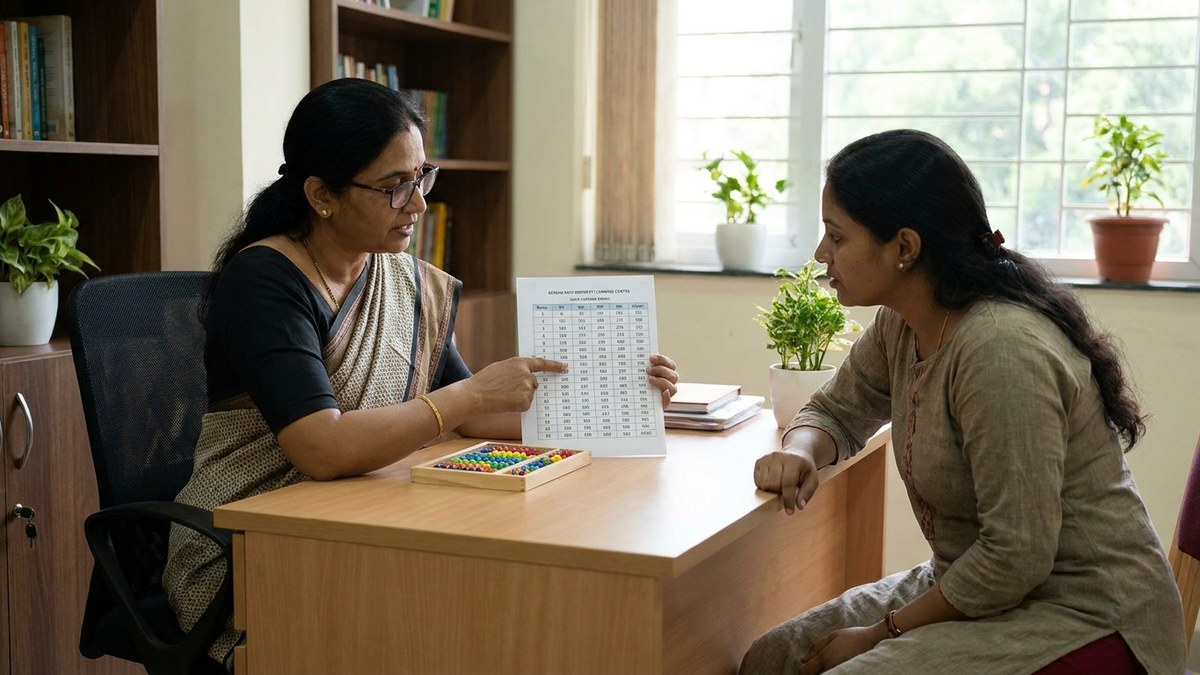
You’ll see franchise offers for abacus. They promise brand, support, worksheets, everything. The cost? Typically Rs. 2,00,000 to Rs. 5,00,000 upfront, plus 8-12% royalty on every batch fee you earn. On top of that, they often push you to buy their software and materials at marked-up prices.
Here’s why most franchises aren’t worth it for a single educator: you don’t need their brand. Parents searching “abacus classes near me” are looking within 3 km of their home. They don’t care if you’re part of a national franchise. They care if you’re good, close, and affordable. A franchise name doesn’t help if you’re the only teacher running the batch anyway.
Start independent. Build your own reputation. Invest that Rs. 2,00,000 in a good APNA PC setup (Rs. 30,000), basic marketing, and running two solid batches for a year. After 12 months, you’ll have word-of-mouth, real testimonials, and the cash to expand. That’s stronger than any franchise tag.
The Boring Operational Side That Actually Decides Your Profit
Let’s be honest: most teachers skip this part, and it costs them money.
You need digital attendance tracking for tuition classes. Not a notebook. Not WhatsApp groups. Track who comes, who doesn’t, who’s progressing, who’s stuck. When a kid misses two sessions, you reach out. When a parent delays payment, you follow up politely but firmly. This alone increases your collection rate by 15-20%.
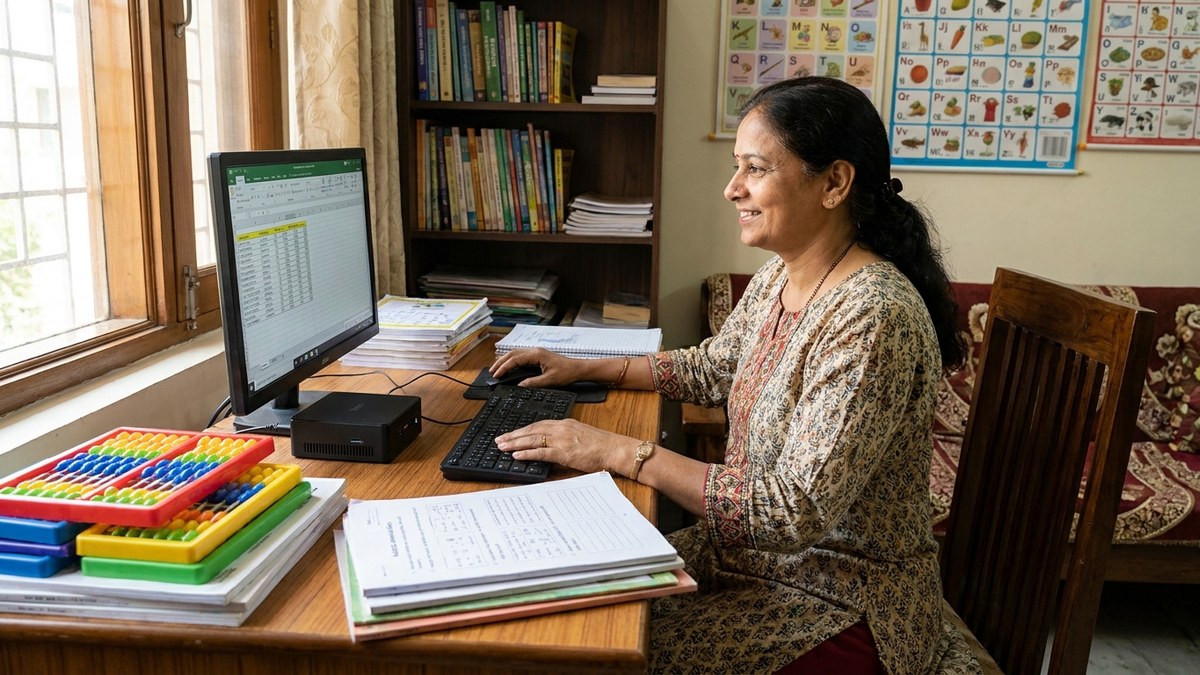
Use a simple school management software for tuition centres to generate progress reports, send them to parents monthly, and keep records. Parents feel valued. Kids stay motivated. You stay organized. A basic system costs nothing if you use free tools or a low-cost platform. APNA PC with 8GB RAM and an SSD runs this smoothly without lag.
Worksheets, progress sheets, and level certificates need to be printed or digital. If you’re running two batches of 10 kids each, that’s 40 kids generating paperwork. A mini PC with a printer saves you hours and looks professional. The APNA PC bundle (Rs. 30,000) includes the hardware, software license, warranty, and installation. It’s a one-time investment that pays for itself in three months through saved time and better parent communication.
Platforms like DIKSHA also offer free digital resources that complement abacus teaching, from worksheets to skill-building modules you can assign as homework.
Getting Started: Your First Batch
Start small. Pick a location near a residential area or school. Run one batch of 8-10 kids. Charge according to your city’s range. Invest in a basic setup: APNA PC, a few abacus kits, printed workbooks, and a simple attendance tracker. Run it for three months, refine it, then add a second batch.
Your Point of Digital Learning (POD) doesn’t need to be fancy. A home learning centre works fine. A community centre works better. What matters is consistency, good teaching, and parents seeing their kids improve. That drives referrals. That drives growth.
If you’re serious about turning this into a real income stream, start now. The market is there. Parents are searching. All you need is the structure, the discipline, and the right tools.
Ready to start your abacus batch? Learn how to launch your own Point of Digital Learning with TeachToEarn. We’ll help you set up the systems, track attendance, manage fees, and scale your batch into a real business.