
Learning pods have transformed education across India, creating personalized learning environments for students. However, the real magic happens when parents actively participate. Parent engagement learning pods show dramatically better outcomes than those without family involvement. Research shows that when parents stay connected to their child’s learning journey, academic performance improves by up to 40%. This guide explores how parent involvement education strengthens learning pods and why home learning success India depends on family commitment.
Understanding Parent Engagement Learning Pods
Parent engagement learning pods represent a shift from traditional tutoring models. These are small group learning environments where 4-8 students study together under qualified instructors. What sets them apart is the active role parents play in monitoring progress, setting goals, and reinforcing lessons at home.
According to Wikipedia’s comprehensive guide on learning, effective education requires multiple touchpoints. Parent engagement learning pods create these touchpoints by involving families in the educational process. When parents understand what their children are learning, they can support lessons at home, ask meaningful questions, and celebrate progress together.
The concept works particularly well in India, where family values prioritize education. Home learning pod guides for age 12 students emphasize that parental oversight ensures consistency and accountability in learning outcomes.
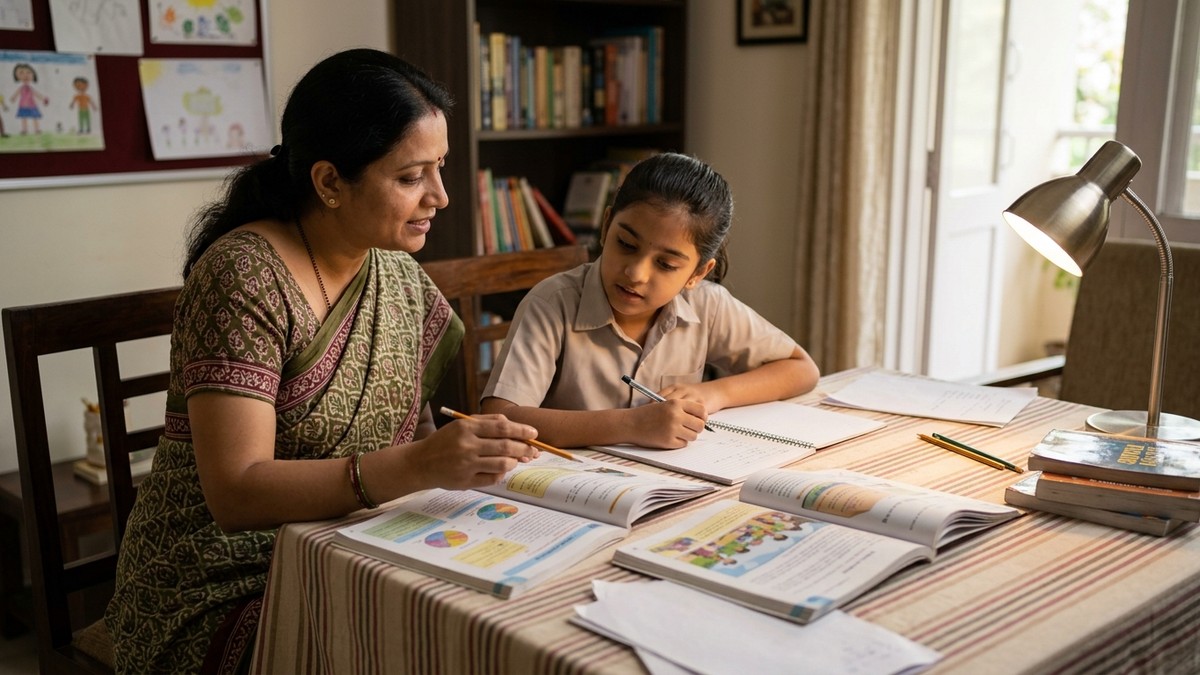
Five Ways Parent Involvement Education Strengthens Learning Outcomes
1. Creating Accountability Systems
When parents stay engaged, students feel more responsible for their progress. Parent engagement learning pods establish regular communication channels where instructors share updates, assignments, and performance metrics. Parents can then follow up at home, ensuring students complete homework and practice concepts learned during pod sessions.
2. Reinforcing Learning at Home
Home learning success India depends on what happens between pod sessions. Engaged parents review materials, ask their children to explain concepts, and create study schedules. This reinforcement doubles the learning impact and helps students retain information longer. Parent involvement education transforms homes into extensions of the learning pod.
3. Identifying Learning Gaps Early
Parents spend the most time with their children. They notice when a child struggles with specific subjects or loses confidence. When parents communicate these observations to pod instructors, interventions happen faster. Early identification of learning gaps prevents students from falling behind and allows instructors to adjust teaching methods.
4. Building Student Confidence
Parental encouragement matters immensely during the learning journey. When parents show genuine interest in their child’s education, attend pod orientation sessions, and celebrate small wins, students develop stronger self-belief. This confidence translates into better classroom participation and willingness to attempt challenging problems.
5. Supporting Holistic Development
Parent engagement learning pods aren’t just about academics. Engaged parents help develop time management skills, emotional intelligence, and healthy study habits. They model lifelong learning and create environments where curiosity flourishes.
Practical Strategies for Implementing Parent Engagement Learning Pods
Successful parent engagement learning pods require intentional strategies. First, establish clear communication protocols. Pod operators should share weekly progress reports, highlight achievements, and flag concerns promptly. Use WhatsApp groups, email updates, or parent portals to keep information flowing.
Second, conduct monthly parent-teacher meetings. These sessions allow instructors to share detailed progress, discuss challenges, and gather parental insights. Parents feel valued when their input shapes learning strategies.
Third, create home learning packets that extend pod lessons. These resources help parents understand what their children are studying and provide structured ways to support learning at home. Simple worksheets, reading lists, and discussion prompts work well.
Fourth, organize parent workshops on effective study techniques, managing screen time, and supporting different learning styles. Educational parents make better decisions about their children’s learning.
Finally, leverage digital platforms like DIKSHA, India’s digital learning platform, which offers free resources parents can use to support their children’s education.
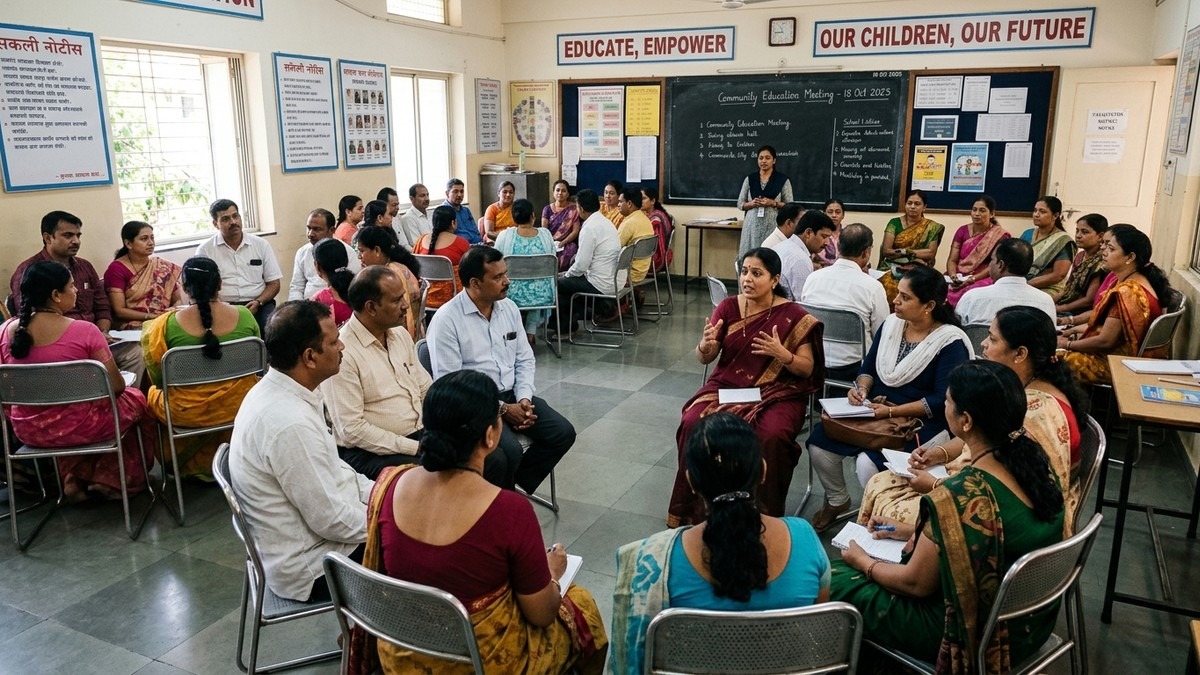
Why Home Learning Success India Requires Parental Partnership
The Indian education landscape is evolving rapidly. Traditional schooling faces challenges including large class sizes, limited individual attention, and curriculum gaps. Learning pods address these issues, but only when parents actively partner in the process. Home learning success India isn’t just about pod quality, it’s about creating an ecosystem where families, instructors, and students work together.
Parents who understand their role in parent engagement learning pods report higher satisfaction and see tangible improvements in their children’s performance. Students in such pods develop stronger study habits, better time management, and increased academic confidence.
Getting Started with Your Own Learning Pod
If you’re considering starting a learning pod or improving your existing one, prioritizing parent engagement learning pods is crucial. The home tutor career path guide provides detailed insights into building successful educational ventures.
TeachToEarn’s APNA PC program offers comprehensive training for pod operators. This complete bundle at Rs.30,000 includes curriculum design, parent engagement strategies, student assessment tools, and marketing support. APNA PC equips you with everything needed to build parent engagement learning pods that deliver real results.
Start your own learning pod with APNA PC today and transform education in your community.