
EdTech Companies in India Are Not Disrupting Education. They Are Replacing It.
Here is the truth: Most edtech companies in India are selling convenience, not learning. A child scrolling through animated lessons on a tablet is not the same as a child thinking deeply with a trained educator. Yet edtech companies in India have convinced millions of parents that technology alone fixes broken classrooms. It does not.
But technology, used correctly, changes everything. The question is not whether edtech companies in India should exist. The question is whether they are built for Indian learners or for venture capital returns.
Let us be honest. India’s education system has real problems. Overcrowded classrooms. Undertrained teachers. Learning outcomes that collapse after primary school. Digital learning platforms can address these gaps. But only if they are designed by people who understand village India, not just Silicon Valley playbooks.
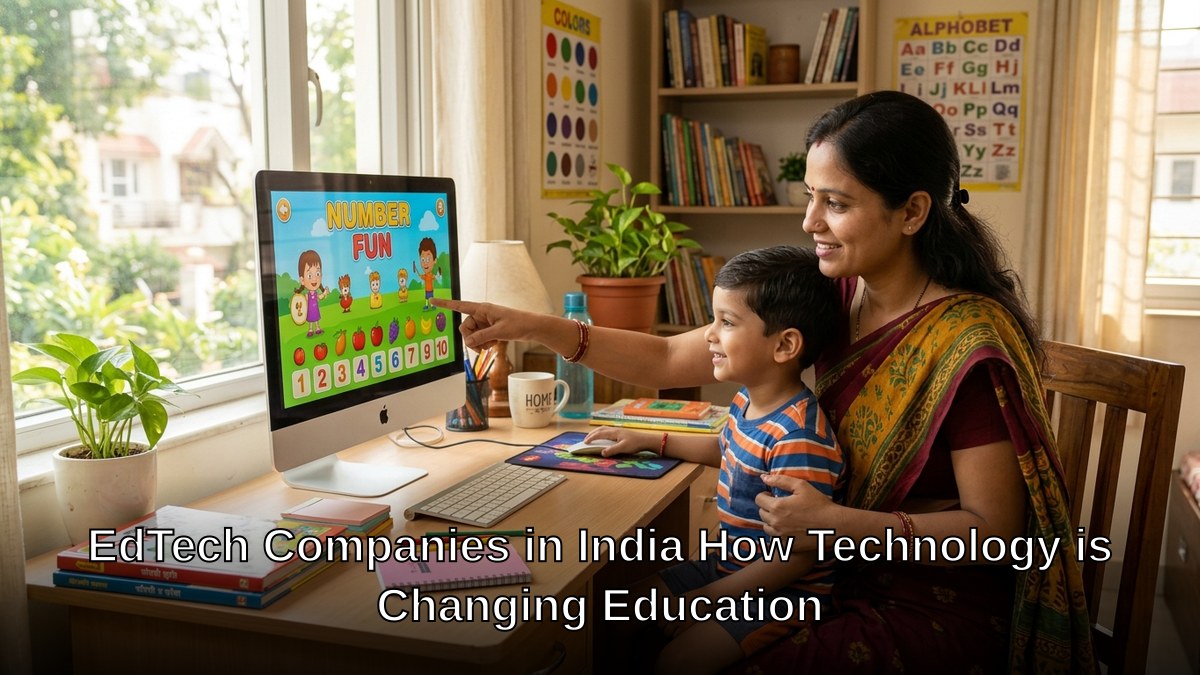
How Digital Learning Platforms Are Actually Changing Indian Education
Most people do not realise that the real revolution is not happening in apps. It is happening in communities.
Across India, trained educators are opening Points of Digital Learning (PODs) in their homes and neighbourhoods. These are small learning centres where a teacher uses digital tools alongside direct instruction. A student learns algebra through an interactive platform. Then the educator sits with them, asks questions, corrects misconceptions. This is where edtech companies in India should be focused.
The shift is real:
- Homemakers are becoming educators and earning income by running PODs
- Senior citizens are using digital platforms to teach grandchildren and community children
- Tuition teachers are moving from one-on-one coaching to small group digital learning centres
- Edupreneurs are building sustainable businesses around digital tools, not just selling subscriptions
Government platforms like DIKSHA digital learning platform have made quality content free. This forced private edtech companies in India to compete on execution, not content hoarding. Some rose to the challenge. Most did not.
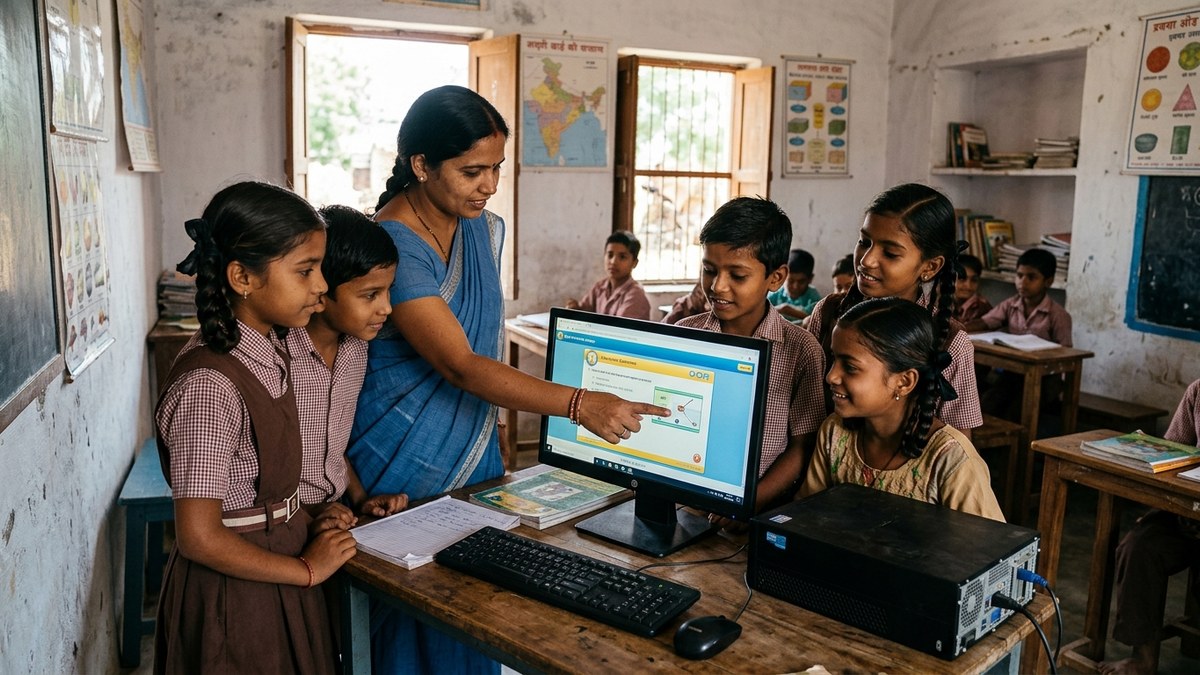
The infrastructure problem is still massive. Most Indian homes and learning centres lack basic technology. A computer. A reliable internet connection. A webcam for online classes. This is why edtech companies in India that focus only on apps are solving a problem that does not exist for 80% of learners. They need hardware. They need support. They need someone to teach them how to use it.
This is where APNA PC changes the game. A complete bundle. Education software. A Mini PC with i3 7th Gen processor, 8GB RAM, 128GB SSD. Monitor, keyboard, mouse, webcam, headset. Three-year warranty. Installation support. All for Rs.30,000. This is not a luxury. This is the foundation that PODs and home educators need to actually deliver digital learning to Indian students.
Why EdTech Startups in India Are Failing (And Why Some Are Not)
Most edtech companies in India are built on a broken assumption: that technology removes the need for teachers. Wrong. Technology amplifies good teaching and exposes bad teaching.
The companies winning are those solving real problems for real educators. Check out EdTech startup opportunities in India to see what is actually working. The pattern is clear. Winners focus on teacher enablement, not teacher replacement. They build for offline-first contexts. They charge what people can actually pay. They measure learning outcomes, not app downloads.
Most people do not realise that edtech companies in India need to think like social enterprises, not tech startups. The margin is lower. The customer acquisition is harder. The retention is tougher. But the impact is real.
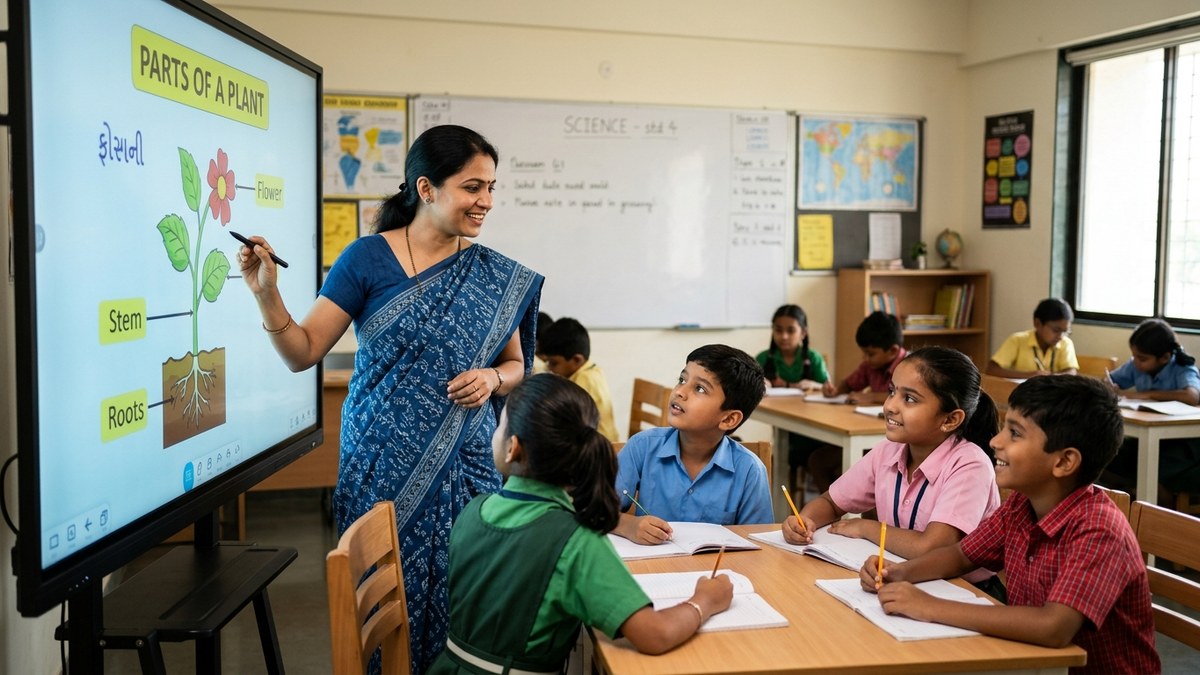
Research from UNESCO global education research confirms what Indian educators already know. Digital tools work best when paired with strong pedagogy. A teacher who understands child development. A curriculum that builds on prior knowledge. Assessment that informs instruction. Technology is the amplifier. The educator is the engine.
If you want to understand where edtech companies in India are heading, read about AI transforming classrooms. The next wave is not about replacing teachers with algorithms. It is about giving teachers better tools to understand each student’s learning patterns. Personalisation at scale. But only if the teacher is trained, supported, and equipped.
What This Means for You
If you are a homemaker thinking about starting a POD, you need technology that works. Not a subscription to some cloud platform that requires 24/7 internet. You need a computer that runs offline. Education software that is designed for Indian contexts. Hardware that lasts. Support when you need it.
If you are a senior citizen who wants to teach neighbourhood children, you need the same thing. Simple. Reliable. Affordable.
If you are a tuition teacher moving into digital learning, you cannot afford to buy a laptop for Rs.80,000 and hope it works for three years. You need a bundle that includes everything. Hardware, software, warranty, installation.
APNA PC is exactly that. Rs.30,000. Everything included. Three years of confidence that your investment in digital learning will not fail you.
The edtech companies in India that will win are those that understand this. Technology is not magic. It is a tool. And tools only work if they are in the hands of trained people who know how to use them.
Start your Point of Digital Learning today. Explore APNA PC and begin your journey as a digital educator.