
Social emotional learning (SEL) teaches students to recognize, understand and manage their emotions, build healthy relationships, and make responsible decisions. In Indian schools, SEL is becoming essential as educators recognize that academic success alone does not prepare students for life’s challenges. This guide explains what SEL is, why it matters in Indian classrooms, and how schools can implement it effectively.
What is social emotional learning?
Social emotional learning is the process through which students develop and apply knowledge, skills and attitudes to understand and manage emotions, set and achieve goals, feel and show empathy, maintain positive relationships, and make responsible choices. SEL integrates five core competencies: self-awareness, self-management, social awareness, relationship skills and responsible decision-making.
Unlike traditional academics, which focus on subjects like mathematics and language, SEL develops the “whole person.” A student with strong SEL skills can handle stress, work with peers effectively, and navigate conflicts without aggression or withdrawal. The Department of School Education and Literacy has recognized SEL and ethics as core to school education in India, reflecting the national shift toward holistic development.
Why does social emotional learning matter in Indian schools?
Indian students face unique pressures: intense academic competition, large class sizes, limited one-on-one teacher attention, and family expectations that often prioritize marks over well-being. These pressures contribute to anxiety, depression and low self-esteem among young people. SEL addresses these challenges by creating a supportive classroom culture where students feel safe to express themselves.
Research from SCERT Delhi’s study on social and emotional challenges faced by teachers and students shows that both educators and learners struggle with emotional regulation and interpersonal stress. SEL programs reduce these struggles by teaching coping strategies and building resilience. Students with strong emotional intelligence perform better academically, attend school more regularly, and show fewer behavioral problems.
Beyond the classroom, SEL prepares students for the workplace and adult life. Employers value teamwork, communication, problem-solving and emotional intelligence. By introducing SEL early, Indian schools equip students with skills that directly improve their career prospects and quality of life.
What are the core components of SEL programs?
Effective SEL programs in Indian schools typically include five elements that work together to develop the whole learner:
- Self-awareness: Students learn to identify their emotions, strengths and weaknesses through reflection and feedback.
- Self-management: Students practice stress management, goal-setting and impulse control through structured activities.
- Social awareness: Students develop empathy and perspective-taking by learning about others’ experiences and viewpoints.
- Relationship skills: Students practice communication, cooperation and conflict resolution in pairs and groups.
- Responsible decision-making: Students analyze situations, consider consequences and make ethical choices in role-plays and real scenarios.
These components are not taught in isolation. Instead, they are woven into daily lessons, classroom routines and school culture. A teacher might begin a math class with a two-minute breathing exercise (self-management), pair students strategically to build relationships, and end with a reflection on how the group worked together.
How can Indian schools implement SEL?
Implementing SEL does not require expensive programs or external consultants. Schools can start small with these practical steps:
- Train teachers: Teachers are the foundation of SEL. Schools should invest in free online certifications that boost your resume and workshops on emotional intelligence and classroom management. When teachers understand their own emotions, they model healthy behavior for students.
- Create a safe classroom environment: Establish clear routines, set expectations for respect and kindness, and respond to misbehavior with empathy rather than punishment alone. Students are more likely to engage in SEL when they feel physically and emotionally safe.
- Use interactive activities: Incorporate role-plays, group discussions, journaling and cooperative games into lessons. Tools like Canva for teachers presentations and worksheets help educators design engaging materials that spark conversations about emotions and relationships.
- Integrate SEL into existing subjects: SEL does not replace academics. Instead, weave it into literature (discussing character emotions), history (exploring different perspectives), and science (teamwork on projects). Teachers can convert PDFs into digital worksheets that include reflection questions and collaborative tasks.
- Involve families: Send home simple activities that parents can do with children, such as emotion check-ins at dinner or problem-solving conversations. When families reinforce SEL at home, its impact deepens.
- Monitor progress: Use simple tools to track changes in classroom behavior, attendance and student feedback. SEL is not a one-time program but an ongoing practice that evolves with student needs.
How does SEL work in community learning centres and PODs?
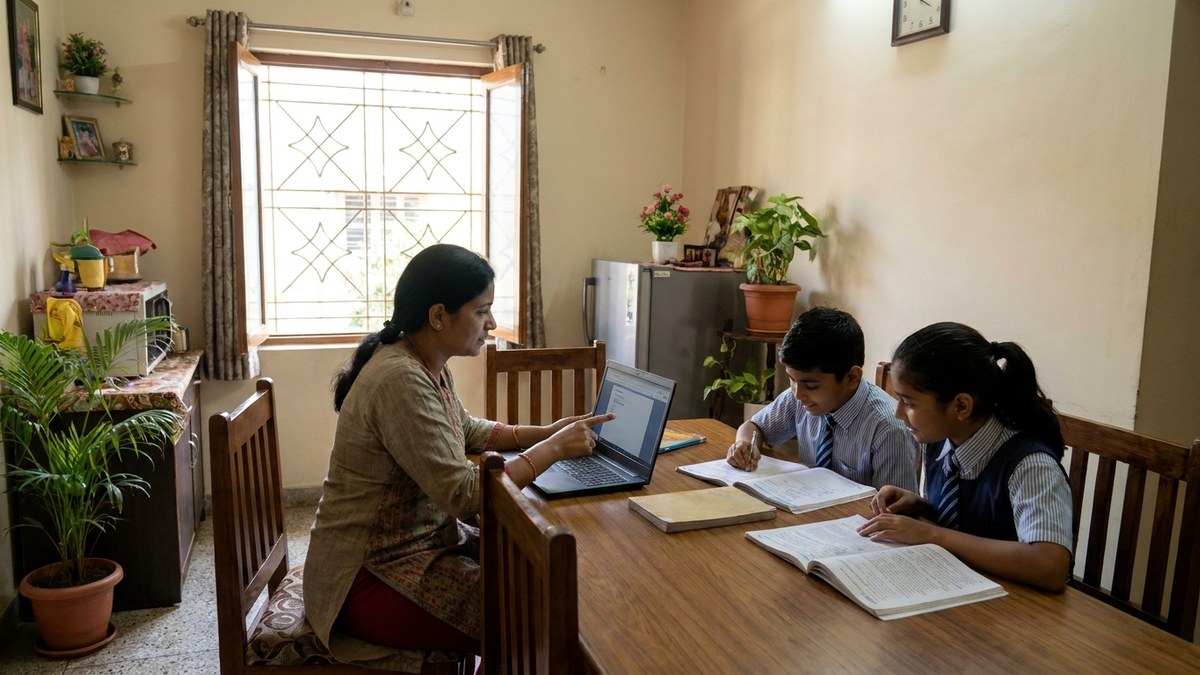
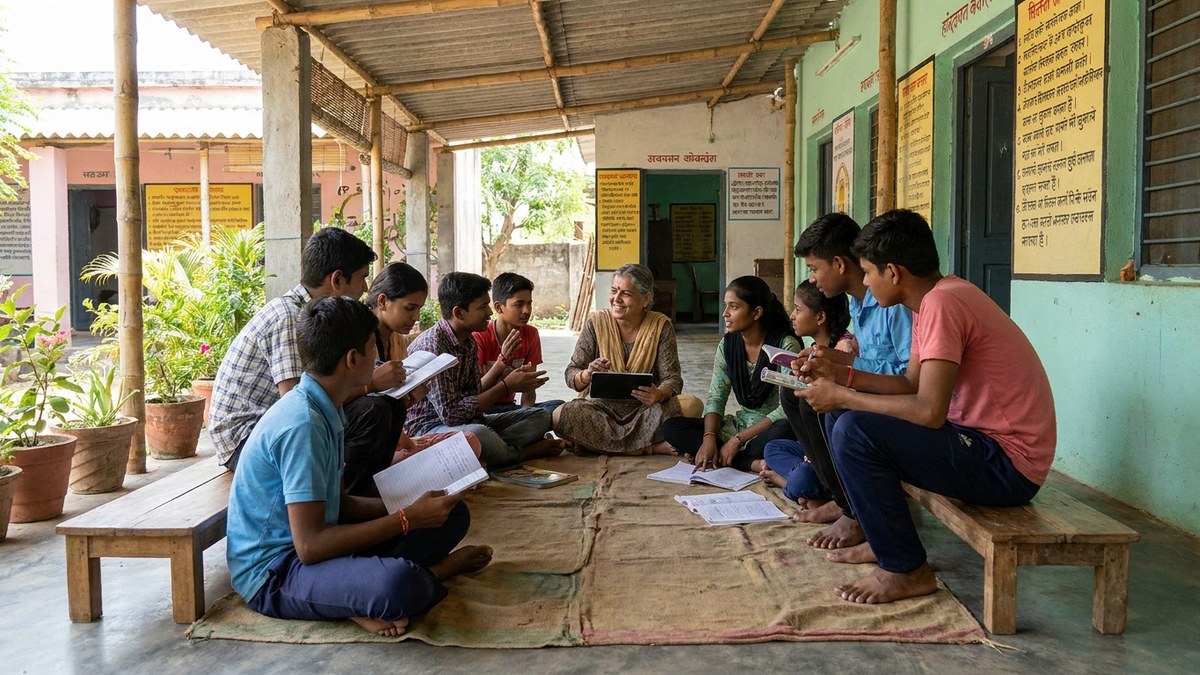
For educators running home-based or community learning centres, called PODs (Points of Digital Learning), SEL is equally important. Small group settings offer a unique advantage: teachers can tailor SEL activities to individual students and build deeper relationships. A tuition teacher or community educator can use SEL to help students overcome learning anxiety, collaborate on projects and develop confidence.
Educators managing PODs can access digital tools and resources to support SEL. For example, internship vs apprenticeship placement discussions help older students reflect on career choices and build decision-making skills. Digital platforms also allow educators to share SEL resources with families and track student progress efficiently.
What challenges do Indian schools face when implementing SEL?
Indian schools face real obstacles to SEL implementation. Large class sizes make one-on-one attention difficult. Teacher workload is high, and many educators lack training in emotional intelligence. Some parents and administrators view SEL as “soft skills” that distract from academics. Budget constraints limit access to programs and materials.
These challenges are not insurmountable. Schools can start with small, low-cost initiatives: a five-minute daily check-in, a peer mentoring program, or a simple emotion chart on the classroom wall. Teachers can learn SEL strategies through free webinars and online resources. When schools document and share success stories, improved attendance, fewer conflicts, better academic performance, skepticism often fades.
How can technology support social emotional learning?
Digital tools can amplify SEL efforts without replacing human connection. Learning management systems allow teachers to share SEL videos, articles and activities. Video conferencing enables group discussions across classrooms. Pre-loaded educational software on affordable computers helps educators create interactive, emotionally engaging lessons. Apni Pathshala operates 50+ PODs across 21 states, delivering over 30,000 hours of learning that integrate SEL with academics. The Apni Prerna student safety and monitoring software helps educators track student well-being and flag those who may need additional support.
An affordable, complete computer setup gives educators the tools to design and deliver SEL-rich lessons. The APNA PC bundle includes pre-loaded educational software, a monitor, keyboard, mouse, webcam and headset, enabling teachers to create interactive, inclusive learning spaces in their homes or communities.
Frequently Asked Questions
Is social emotional learning mandatory in Indian schools?
SEL is not yet mandatory nationwide, but the Department of School Education and Literacy has integrated SEL and ethics into national education policy. Many state boards and schools are adopting SEL voluntarily. Private schools often lead, but government schools are increasingly recognizing its value and implementing programs.
How long does it take to see results from SEL programs?
Changes appear gradually. Teachers often notice improved classroom behavior and student engagement within weeks. Measurable improvements in academic performance, attendance and emotional well-being typically emerge over one to two school years. Consistency and whole-school support accelerate results.
Can social emotional learning work in large classrooms?
Yes. While smaller groups allow deeper work, large classrooms can still benefit from SEL. Teachers can use whole-class activities like group discussions, role-plays and cooperative games. Pair work and small group rotations within a large class also build SEL skills effectively.
What is the difference between SEL and counseling?
SEL is preventive and universal; all students learn emotional and social skills as part of regular education. Counseling is therapeutic and targeted at students facing specific mental health challenges. Both are valuable. SEL reduces the need for counseling by building resilience early.
How can teachers learn SEL without expensive training?
Free resources abound: government websites, YouTube channels, open-source curricula and webinars. Teachers can also learn by practicing SEL themselves, reflecting on their own emotions and relationships, and sharing strategies with colleagues.
Social emotional learning is no longer optional in Indian education. As schools recognize that students need more than academic knowledge to thrive, SEL is becoming central to teaching and learning. Whether you are a school administrator, classroom teacher or community educator, you can start building SEL into your practice today. Start your own learning centre with APNA PC. Visit the APNA PC product page to get started.