
Your students are failing because you don’t know what they actually understand
Here is the truth: Most teachers in India wait until the final exam to discover their students have learned nothing. By then, it’s too late. Assessment for learning changes this completely. Instead of waiting months to judge, you assess continuously, adjust your teaching immediately, and watch students actually progress. This is not just better pedagogy. This is the only way that works.
Assessment for learning means using regular checks to understand what students know right now, not what you hope they’ll know later. It’s diagnostic. It’s active. It guides every lesson you teach. Let us be honest: traditional end-of-year exams tell you nothing useful about individual student needs. They tell you who passed and who failed. Assessment for learning tells you why.
Most people do not realise that assessment for learning is fundamentally different from assessment of learning. One measures progress during the journey. The other measures the destination after everyone has already left. As a tuition teacher, homemaker running a community learning centre, or edupreneur building your own Point of Digital Learning (POD), you need the first type urgently.
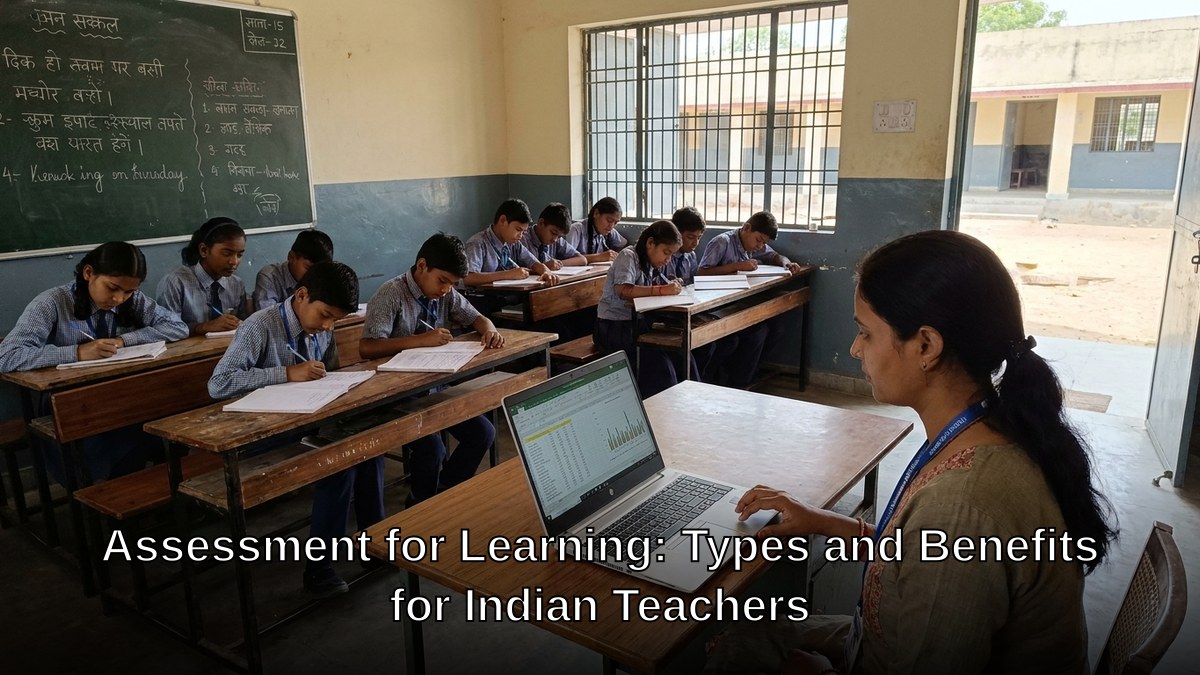
Types of Assessment That Actually Work
Formative assessment happens during learning. It’s informal, frequent, and designed to help students improve before any final test. Quizzes, class discussions, exit tickets, peer reviews, observation notes. These tell you what’s working and what isn’t. You adjust your next lesson based on what you learned from today’s formative assessment.
Summative assessment happens at the end. Unit tests, board exams, final projects. These measure what students have learned overall. Both matter. But formative assessment for learning is where real change happens. This is where you catch problems early.
- Observation-based assessment: Watch how students solve problems. Do they understand the concept or just memorizing steps? This takes minutes but reveals everything.
- Question-based assessment: Ask open-ended questions. Listen carefully. Their answers show exactly where confusion lives.
- Student self-assessment: Ask students to rate their own understanding. They often know better than you do what they don’t understand.
- Peer assessment: Students evaluate each other’s work. This builds critical thinking and honest feedback skills simultaneously.
- Portfolio assessment: Collect student work over time. Show progress, not just snapshots. Parents see growth. Students see growth. Everyone benefits.
- Performance-based assessment: Students demonstrate learning by doing. Presentations, projects, real-world problem solving. This shows what they can actually do, not just what they can remember.

Real Examples for Indian Teachers and Tutors
You run a tuition centre teaching mathematics. Instead of waiting for the school test, give a 5-minute quiz every class. Not for marks. For information. See who struggles with fractions. Spend 10 extra minutes with them tomorrow. That student passes the school test because you caught the gap early. That’s assessment for learning in action.
You’re a homemaker teaching your child at home. Ask your child to explain a concept out loud. Don’t interrupt. Listen. If they can explain clearly, they understand. If they stumble, you know exactly what to revisit. No formal test needed. This everyday assessment is powerful.
You run a POD (Point of Digital Learning) in your community. Use simple digital tools to track which students understand which topics. Share results with parents weekly. They see their child progressing. They trust you more. Student motivation increases. This is formative assessment improving everything.
Consider DIKSHA platform which offers free assessment tools aligned to Indian curriculum. Or track progress manually in a simple spreadsheet. The tool doesn’t matter. The habit of regular assessment for learning matters everything.
Why Assessment for Learning Changes Everything
Students who receive regular feedback improve faster. This is not opinion. This is research. When students know exactly what they’re doing wrong and get immediate help, they fix it. When they wait months for a report card, the damage is already done.
Teachers who use assessment for learning waste less time. You stop teaching content students already know. You focus on actual gaps. Your lessons become sharper. Your results improve. Your reputation grows.
Parents trust teachers who communicate regularly about their child’s learning. Assessment for learning gives you that data. Share it. Show progress. Build confidence. Parents become your allies instead of your critics.
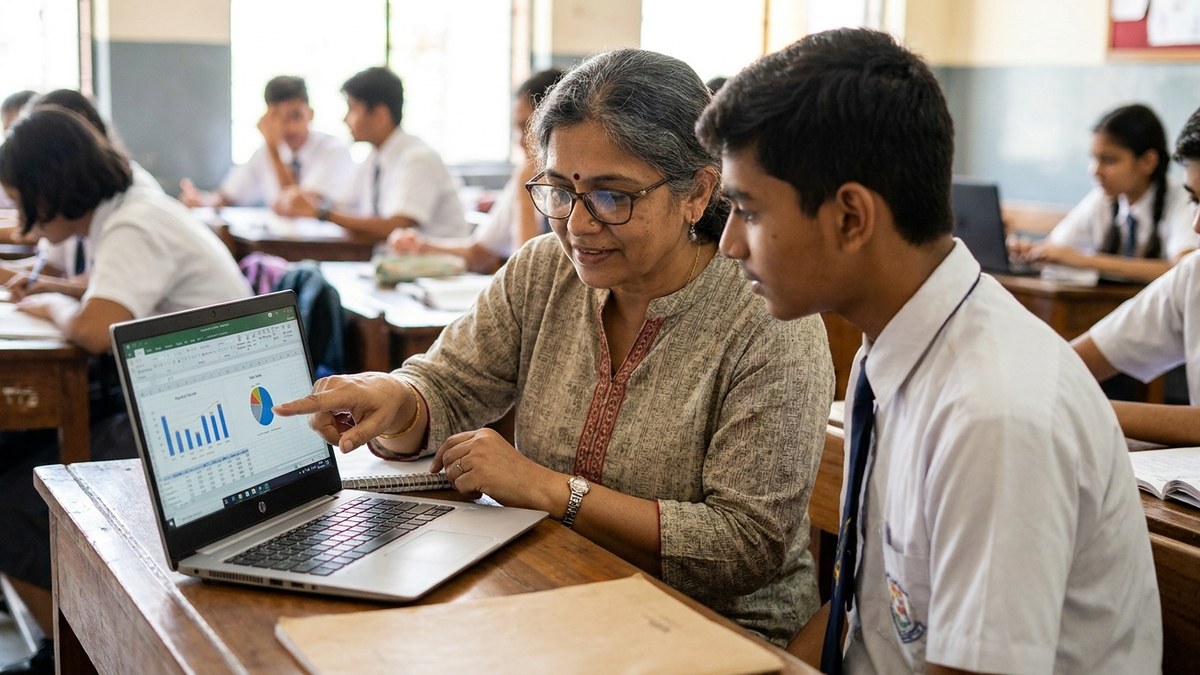
Most importantly, students develop digital literacy skills and time management skills for students when they track their own progress. Self-awareness builds. They own their learning instead of blaming teachers or circumstances.
How to Start Assessment for Learning Tomorrow
Pick one assessment technique this week. Just one. If you teach 20 students, spend 2 minutes per student observing how they solve one problem. That’s 40 minutes total. You’ll learn more than a written test tells you in 2 hours.
Track what you discover. Who needs help? Who’s ready for harder work? Adjust your next lesson. That’s it. You’ve started assessment for learning.
To do this systematically, you need the right tools. A reliable computer helps tremendously. You can track student data, create digital assessments, store portfolios, and communicate with parents all from one place. This is where APNA PC becomes essential for serious educators.
APNA PC is a complete Rs.30,000 bundle designed specifically for Indian educators running tuition centres, PODs, and community learning programmes. You get education software, a powerful Mini PC (i3 7th Gen, 8GB RAM, 128GB SSD), monitor, keyboard, mouse, webcam, headset, installation, and 3-year warranty. Everything you need to implement assessment for learning digitally. No hunting for equipment. No compatibility problems. No installation headaches.
With APNA PC, you can use learning management systems, create digital quizzes, track student progress automatically, and generate reports parents actually understand. Assessment for learning becomes systematic instead of chaotic.
Get APNA PC today and start assessment for learning properly. Your students will thank you with better results. Your parents will thank you with trust and referrals. You’ll thank yourself with a thriving teaching business.
Assessment for learning is not optional anymore. It’s the minimum standard for professional educators. Start now.