Picture this: a seven-year-old in a small town in Rajasthan opens a laptop for the very first time. Within minutes, she’s navigating a learning app, drawing shapes, and typing her name. That curiosity, that spark, is exactly why early computer exposure children receive can change the entire direction of their lives.
Why So Many Indian Children Are Starting Behind
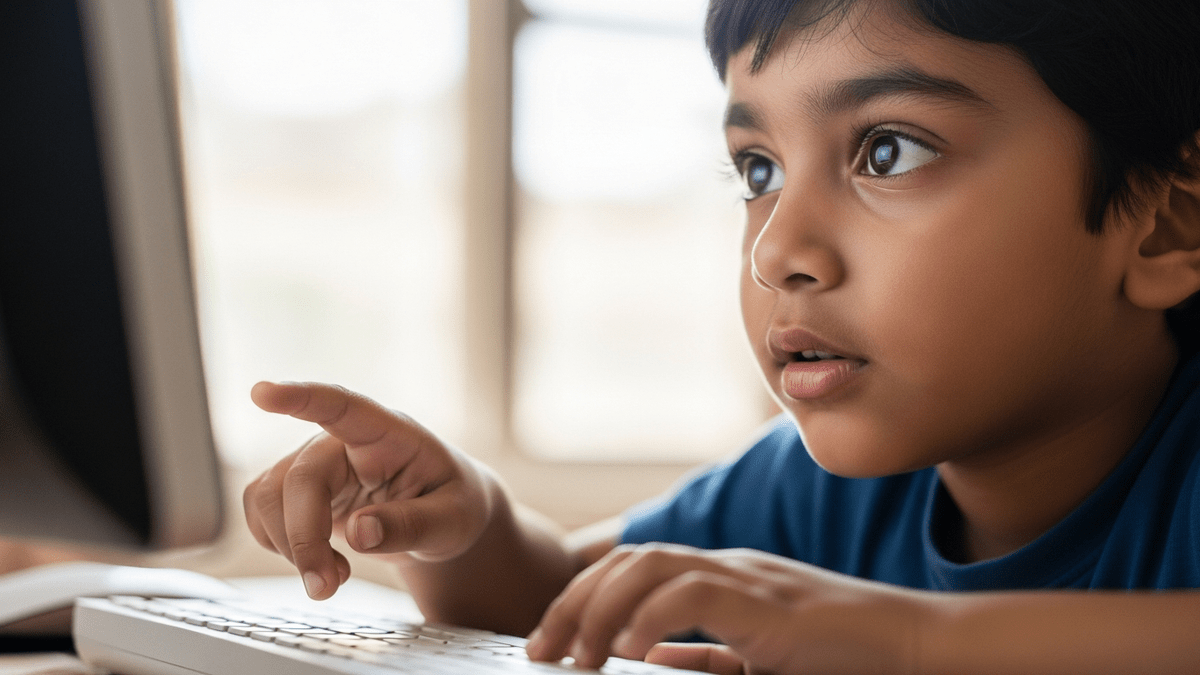
Millions of children across India reach middle school without ever having touched a computer. They’ve heard about coding, seen older kids use laptops, but haven’t had a real chance to sit down and explore one themselves.
This gap isn’t just about access. It’s about timing. The years between ages five and twelve are when children absorb new skills fastest. When that window closes without any digital skills for young children being developed, catching up becomes harder and more stressful.
Schools often don’t help enough here. Many government schools still lack working computer labs. Private schools may have the hardware but not the teaching time. And at home, most families either don’t own a computer or aren’t sure how to use one as a learning tool.
The result is a generation of children who feel nervous around technology instead of confident with it. That nervousness follows them into higher education and eventually into the job market.
The Real Opportunity That Early Learning Creates
Here’s what research keeps confirming: children who start using computers early don’t just learn technology. They learn how to think. They develop problem-solving habits, patience, and creativity that show up across every subject they study.
UNESCO global education research has consistently shown that early digital education improves learning outcomes across reading, mathematics, and critical thinking. It’s not just about computers. It’s about building a sharper mind.
Computer literacy for kids also builds something that’s hard to teach later: comfort. A child who grows up using a computer doesn’t freeze during an online exam or fumble through a job application portal. They’re already at ease in spaces where the rest of the world is moving.
India’s own government recognizes this. Platforms like DIKSHA, India’s national digital learning platform, exist specifically to bring digital education to every corner of the country. The tools are there. Children just need the opportunity to use them.
What the Right Solution Looks Like for Your Child
You don’t need a fancy setup or an expensive tutor. What your child needs is a reliable device, guided learning, and a community that supports their growth. That’s exactly what Teach to Earn is building across India.
APNA PC is Teach to Earn’s purpose-built computer for young learners. It’s designed for Indian homes, priced at just ₹30,000, and comes loaded with everything a child needs to begin their digital education journey properly. It’s not a toy. It’s a real learning tool built with children in mind.
When your child has their own device, something shifts. They stop being a passive observer and start being an active learner. They experiment, make mistakes, try again, and build confidence with every session.
Early digital education doesn’t have to be complicated. It just has to start.
Simple Steps to Get Your Child Started Today
You don’t have to figure this out alone. Here’s how to take the first steps without feeling overwhelmed.
Start with short sessions. Children aged five to eight do best with twenty to thirty minutes of guided screen time. Keep it focused and make it feel like play, not school.
Choose structured learning over random browsing. Apps, games, and platforms designed for education keep children engaged and actually learning. Random YouTube time doesn’t build the same skills.
Get the right device. A shared family phone isn’t enough. Your child needs a proper computer with a keyboard and a screen large enough to work on. APNA PC was built for exactly this purpose.
Connect with a learning community. Children learn better alongside other children. If you’re interested in creating a learning space in your neighbourhood, you can Start a TeachToEarn Learning POD and bring this opportunity to more families around you. Or if you’re passionate about education and want to build something bigger, explore how to Become an Edupreneur and create real impact in your community.
Be consistent. A few minutes every day beats a long session once a week. Routine builds habit, and habit builds mastery.
Your child’s future is being shaped right now, in the choices you make today. Don’t let the digital gap grow any wider.
Visit APNA PC and give your child the device they deserve to start learning with confidence. Take that first step today, because the best time to begin is always now.