Finding quality education for your child in Tier 2-3 cities can be challenging. Many parents are now turning to a learning POD for kids as an affordable alternative to traditional schools. A POD, or Point of Digital Learning, combines personalized attention with structured curriculum in intimate group settings. With so many options popping up in neighborhoods across India, choosing the right one feels overwhelming. This guide helps you evaluate and select the best study POD for your child’s specific needs.
Understanding Learning POD for Kids in India
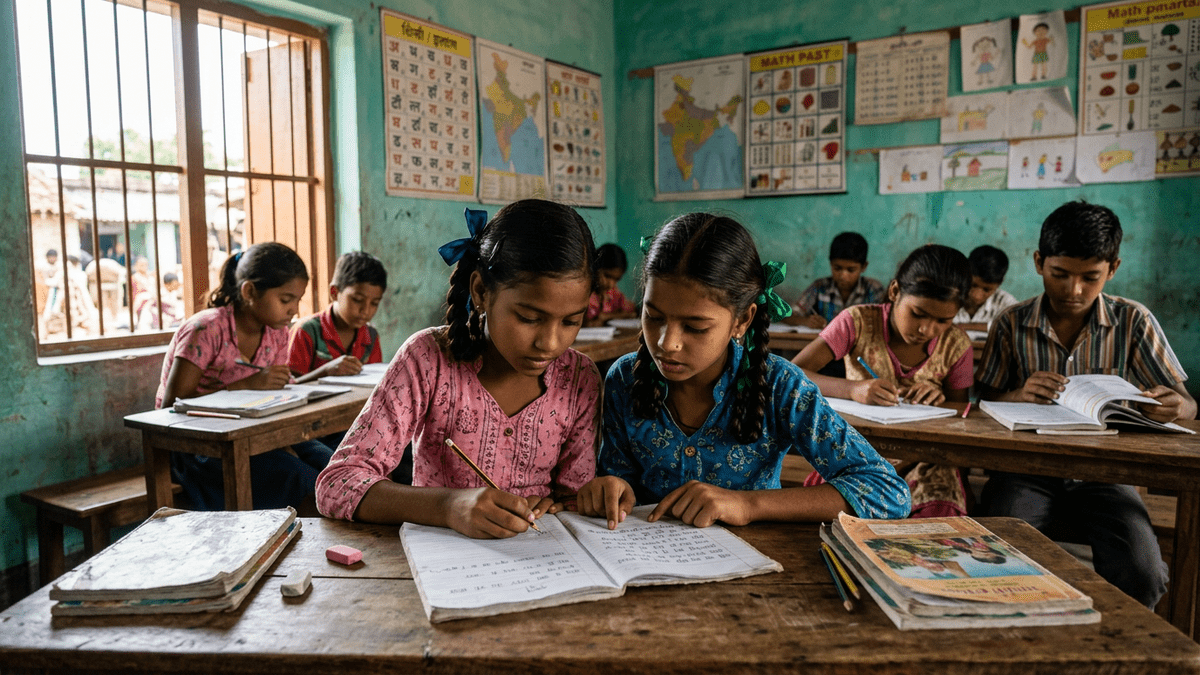
A learning POD for kids is a small educational hub, typically serving 8-15 students with one or two instructors. These centers focus on foundational academics, skill development, and personalized learning paths. Unlike crowded classrooms with 40-50 students, PODs offer individualized attention while maintaining affordability. Many parents in smaller cities prefer this model because it combines quality education with community support. The educator gets to know each child’s strengths and weaknesses personally, which is impossible in larger school settings.
The POD concept aligns with India’s Digital India initiative, leveraging technology alongside traditional teaching methods. Platforms like DIKSHA digital learning platform complement POD curricula, offering supplementary resources and assessments.
Key Factors When Choosing a Study POD
1. Curriculum Quality and Flexibility
Evaluate whether the learning POD for kids follows recognized boards (CBSE, ICSE, or state board). Check if they adapt teaching methods to individual learning styles. The best study POD providers offer customized learning plans rather than one-size-fits-all approaches.
2. Instructor Qualifications
Meet the educators before enrolling. Qualified instructors should have subject expertise and training in child psychology. Experience working in small group settings matters significantly for effective learning POD for kids management.
3. Infrastructure and Learning Environment
Visit the POD facility personally. Check for adequate lighting, ventilation, clean restrooms, and age-appropriate furniture. A well-organized study POD creates conducive learning environments. Ensure they have basic technology for digital learning integration.
4. Class Size and Student-Teacher Ratio
Smaller batches mean better attention. The ideal learning POD for kids maintains a 10:1 student-to-teacher ratio maximum. This ensures every child receives personalized guidance and feedback.
5. Fee Structure and Transparency
Compare pricing across multiple PODs. Most study POD services in Tier 2-3 cities charge around Rs.30,000 (complete bundle) annually, but verify what’s included. Ask about additional charges for materials, assessments, or extracurricular activities.
6. Parental Communication System
Choose a learning POD for kids that maintains regular communication channels. Monthly progress reports, parent-teacher meetings, and transparent feedback mechanisms help track your child’s development.
Questions to Ask POD Administrators
- What’s your curriculum framework and learning outcomes?
- How do you handle different learning paces among students?
- What digital tools and platforms do you integrate?
- How often do you conduct assessments and share results?
- What’s your attendance and make-up class policy?
- Do you offer scholarships or flexible payment options?
- How do you ensure child safety and security?
Red Flags to Avoid
Don’t choose a learning POD for kids that lacks proper registration or operates informally. Avoid centers with overcrowded classrooms, untrained staff, or vague fee structures. Be cautious of PODs making unrealistic academic promises. The best study POD focuses on holistic development, not just grades. Ask for proof of any claims they make about student results or curriculum affiliations.
Making Your Final Decision
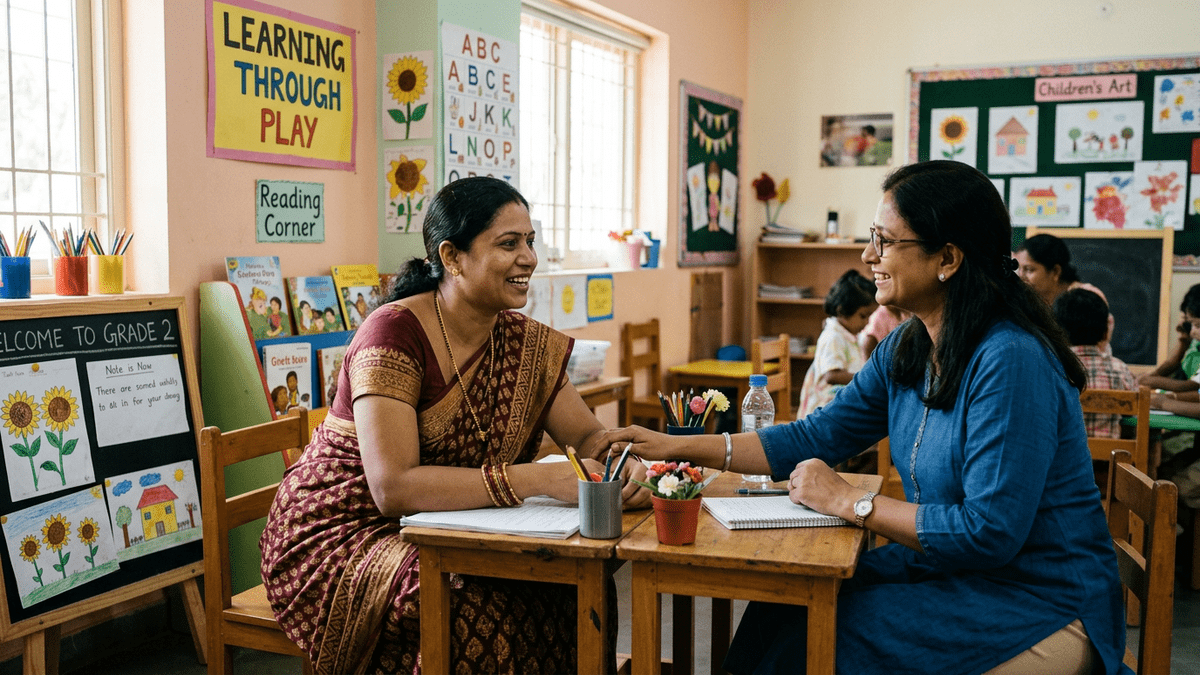
Visit at least 2-3 learning POD for kids facilities before deciding. Talk to current parents and observe classes in session. Ask about their teaching methodology, assessment frequency, and how they handle students who fall behind. Trust your instincts about the learning environment and educator-student interactions. Your child’s comfort level matters as much as academic credentials.
If you’re considering starting your own educational initiative, explore how to start a learning POD with proper planning. Our POD setup checklist provides comprehensive guidance for aspiring educators.
The right learning POD transforms your child’s educational experience. Take time to evaluate options thoroughly, and you’ll find the perfect fit for your family’s needs.
Ready to explore learning POD opportunities? Start your own learning POD today and make quality education accessible in your community.