
Finding the right coaching classes near you requires comparing faculty qualifications, batch sizes and fees to match your child’s learning needs and your budget. This guide shows you what to look for, how to evaluate options and questions to ask before enrolling.
Coaching classes have become a common choice for Indian students seeking extra support in core subjects. However, not all centres are equal. The quality of teaching, class structure and cost vary widely, and choosing the wrong fit can waste money and time. This article covers how to assess coaching centres in your area, what factors matter most, and how to make a decision that works for your family.
What should I look for in a coaching centre?
A good coaching centre combines qualified teachers, manageable class sizes and transparent pricing. The faculty should have subject expertise and experience teaching your child’s grade level. Batch size affects how much individual attention your child receives; smaller batches allow more one-on-one time than larger groups. Fees should be clear upfront with no hidden charges.
Beyond basics, check whether the centre uses technology to support learning. Many modern centres now use digital tools to track progress and communicate with parents. How Indian Teachers Can Use WhatsApp for Classroom Communication shows how effective messaging platforms can keep you informed about your child’s performance and attendance.

How do I evaluate a coaching centre’s faculty?
Faculty quality is the most important factor in choosing a coaching centre. Ask the centre director about each teacher’s educational background, teaching experience and subject specialisation. Teachers should hold at least a bachelor’s degree in their subject and preferably have formal teaching training or certification.
Request a trial class to observe the teacher’s style and interaction with students. Notice whether the teacher explains concepts clearly, answers questions patiently and adapts to different learning speeds. Ask current parents and students about their experience with specific teachers. Many coaching centres now use online platforms and digital content; verify that teachers can use these tools effectively to enhance learning.
How does batch size affect my child’s learning?
Batch size directly affects your child’s learning experience. Smaller batches provide more personalised feedback and faster doubt resolution. Medium batches offer a balance between affordability and attention. Large batches are cheaper but may leave shy or struggling students behind.
Ask about the centre’s approach to mixed-ability groups. Do they stream students by level or mix all abilities in one class? How do they handle students who fall behind? Some centres offer separate doubt-clearing sessions or one-on-one slots for students who need extra help. Check whether the centre uses structured worksheets, practice tests or digital learning tools to keep all students engaged.
What should I expect to pay for coaching classes?
Coaching fees vary by subject, grade level, location and centre reputation. In most Indian cities, monthly fees depend on the centre’s size, faculty qualifications and whether materials and tests are included. Premium centres or specialised coaching for competitive exams typically charge more than neighbourhood centres.
Always ask for a detailed fee breakdown. Clarify whether fees include study materials, mock tests, progress reports and parent updates. Some centres charge extra for doubt-clearing sessions, test papers or online access. Ask about refund policies if your child wants to leave mid-month or mid-term. Many centres offer discounts for multiple subjects or referrals; don’t hesitate to negotiate, especially if you enrol more than one child or commit to a longer term.
How should I compare coaching centres before enrolling?
After shortlisting 2 to 3 centres that fit your budget, use this comparison approach. Attend a trial class at each and observe the teacher’s interaction with students. Ask your child for honest feedback about the teaching style and class atmosphere. Check the centre’s facilities for cleanliness, safety and basic comfort. Request references from current parents and speak to them about their experience.
Consider the location and timings: is the centre convenient to reach? Do the class times fit your family’s schedule? Look at the centre’s track record with students at your child’s level. Ask how they track progress and how often you will receive updates. A slightly more expensive centre with a teacher your child connects with will deliver better results than a cheap option where your child feels lost or unmotivated.
| Factor | Small Local Centre | Mid-Size Franchise | Large Chain Centre |
|---|---|---|---|
| Batch Size | 8 to 15 students | 15 to 25 students | 25 to 40 students |
| Faculty | Local teachers, variable experience | Trained staff, structured curriculum | Qualified, standardised training |
| Monthly Fee (per subject) | Lower range | Mid range | Higher range |
| Study Materials | Often included or minimal | Included, printed and digital | Comprehensive, online portal access |
| Progress Tracking | Informal, parent-teacher talk | Monthly reports, some digital updates | Online dashboard, regular reports |
| Flexibility | High, can adjust timing and pace | Moderate, fixed schedule | Low, rigid timetable and curriculum |
| Best For | Personalised attention, budget-conscious | Balanced quality and cost | Structured learning, competitive exams |
Is a community learning centre a good alternative to formal coaching?
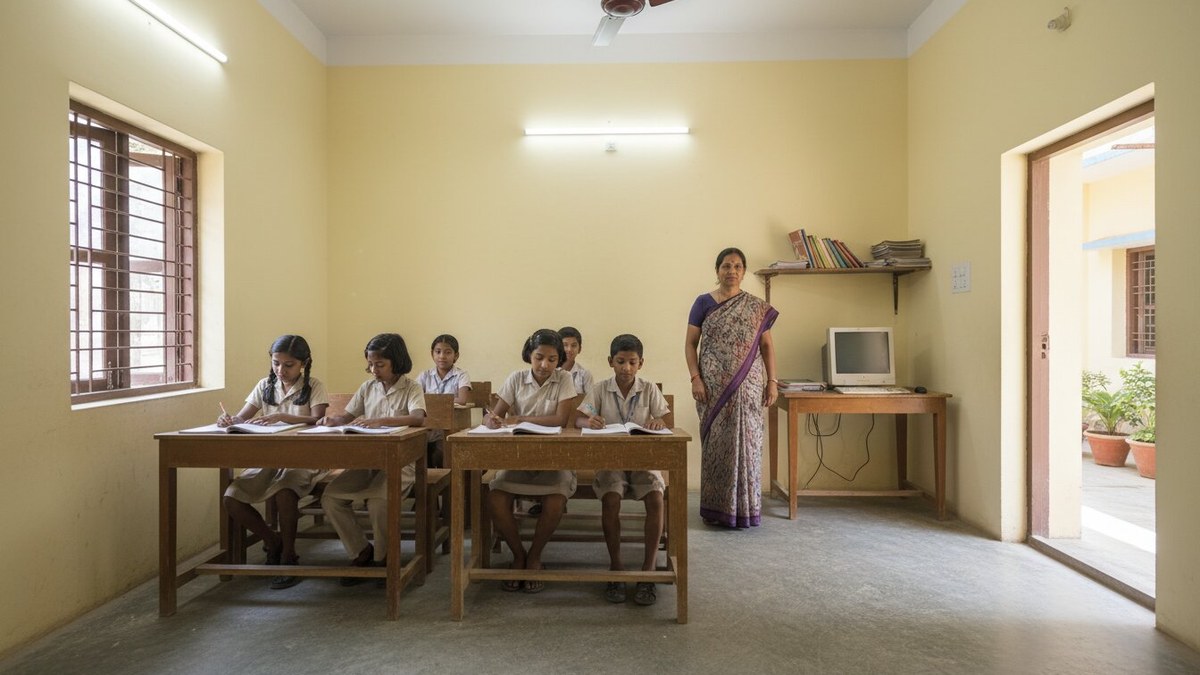
If coaching classes in your area are expensive or limited, consider joining or starting a community-based learning centre. Many Indian educators, homemakers, retired teachers and tutors now run affordable learning PODs (Points of Digital Learning) from home or community spaces. These centres often charge lower fees while offering personalised attention and flexible timing.
Community-led learning centres use affordable computers and digital tools to deliver quality education. For example, Teach Students to Check AI with Apna PC shows how educators equip learning spaces with modern technology. Educators can also learn to create educational content in regional languages to serve students better. If your local language is not well-served by mainstream coaching centres, a community POD may be the right fit.
These centres often use free or low-cost digital platforms like DIKSHA, India’s digital learning platform, to supplement teaching. Teachers can also create engaging materials using tools like Canva for Teachers to design presentations and worksheets. Community centres prioritise building strong relationships with families and adapting to local needs. Quality depends on the educator’s qualifications and commitment, so visit and assess the centre before deciding, just as you would with any coaching option.
What red flags should I watch for?
Avoid coaching centres that make unrealistic promises like guaranteed top marks or a perfect pass rate. Centres that refuse to share faculty details, have no clear fee structure or show hidden charges are not trustworthy. Poor hygiene, unsafe facilities or an owner who discourages parent visits are serious warning signs. If teachers seem disinterested or use only rote learning methods, keep looking.
Be cautious of centres that pressure you to enrol for a full year upfront or offer unusually low fees without clear explanation. Quality teaching requires investment; suspiciously cheap fees often mean untrained teachers or overcrowded classes. Trust your instinct and your child’s comfort level when making the final decision.
Frequently Asked Questions
What questions should I ask a coaching centre before enrolling?
Ask about the teacher’s qualifications and experience with your child’s grade, the exact batch size and how it is maintained, the full fee and what it includes, how often your child will be assessed and how you will receive updates, the refund or exit policy, whether a trial class is available, how the centre handles struggling students, and what digital tools or online platforms are used.
How do I know if a coaching centre is right for my child?
Attend a trial class, observe the teacher’s style and your child’s comfort level, check progress reports from current students and ask the centre how they support struggling learners. The right centre matches your child’s learning pace, your budget and your family’s schedule. Trust your child’s feedback about the teaching environment.
Can I negotiate coaching centre fees?
Yes, many coaching centres are open to negotiation, especially if you enrol multiple children, commit to a longer term or refer other families. Ask about discounts for multiple subjects or annual payments. However, be realistic; don’t expect drastic cuts from reputable centres with qualified staff.
Are community learning centres as good as formal coaching centres?
Community learning centres can be excellent, especially for personalised attention and lower costs. Quality depends on the educator’s qualifications and commitment. Many community educators use digital tools and structured methods that rival formal centres. Visit and assess before deciding, just as you would with any coaching option.
What is a POD and how does it differ from traditional coaching?
A POD (Point of Digital Learning) is a community-based learning centre run by educators from home or community spaces. PODs typically offer smaller batches, lower fees, flexible timing and personalised attention. They use affordable technology and often serve local languages and neighbourhood needs better than large chain coaching centres.