
Sunita had been teaching Hindi literature for fourteen years. She knew her subject inside out, her students loved her classes, and her school trusted her completely. But the day her principal asked her to record and upload a video lesson, she froze. Not because she lacked knowledge — but because nobody had ever taught her the digital skills for teachers that this new era demands.
The good news? That gap is completely closable. And it doesn’t require a computer science degree to do it.
Why Non-IT Teachers Feel Left Out of the Digital Shift
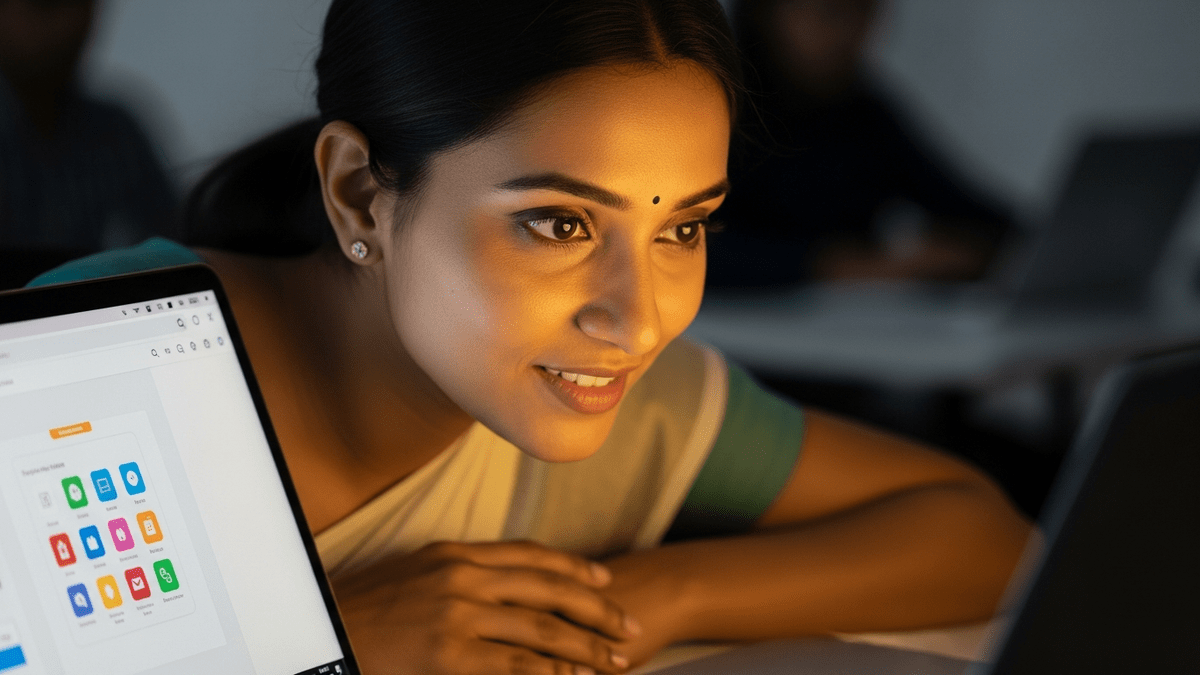
Let’s be honest about what’s happening. The push toward digital education in India has been rapid. Platforms, apps, learning management systems — they’ve multiplied faster than most teachers could keep up with. For someone who studied arts, commerce, or humanities, the learning curve can feel overwhelming.
The problem isn’t intelligence or willingness. It’s exposure. Most teacher training India programs still focus heavily on pedagogy and subject knowledge, with very little structured time given to practical digital skills. Teachers are expected to figure out technology on their own, often without access to proper devices or reliable internet.
There’s also a confidence issue that doesn’t get talked about enough. Many non-IT teachers assume that technology is “not for them” — that it belongs to younger colleagues or people with technical degrees. That belief, more than anything else, holds them back.
The Digital India initiative has made massive strides in improving connectivity and access across the country. But access alone doesn’t build confidence. That requires deliberate, supportive learning environments designed for people who didn’t grow up coding.
The Real Opportunity Hiding in Plain Sight
Here’s something worth sitting with: teachers are already experts at learning and teaching complex things. That skill doesn’t disappear when the subject changes to technology. It just needs to be redirected.
EdTech for non-IT teachers isn’t about turning Hindi teachers into software developers. It’s about helping them use simple, practical tools to do what they already do brilliantly — teach. Record a lesson, share a PDF, run a live class, build a small online course. These are learnable skills, and they don’t take years to master.
The DIKSHA national digital learning platform has already shown that teachers across India can engage with digital tools when they’re built with simplicity and purpose in mind. Millions of educators have used it without any IT background. That’s proof the barrier is lower than it feels.
What’s more exciting is what comes after basic digital literacy. Once a teacher is comfortable with technology, they can start building something of their own — an online course, a YouTube channel, a subscription-based tutoring service. The concept of becoming a digital edupreneur is no longer just for tech-savvy professionals. It’s open to anyone with genuine knowledge and the willingness to share it.
Practical Steps to Build Your Digital Confidence
Start small, and start with what you already know. Don’t try to learn ten tools at once. Pick one — maybe a free video recording app or a basic presentation tool — and get comfortable with just that before moving on.
Get the right device. This sounds obvious, but it’s genuinely the biggest barrier for many teachers. If you’re working from a cracked smartphone screen or borrowing a family member’s laptop, you can’t build consistent digital habits. The APNA PC — affordable computer for Indian learners is designed exactly for this situation. At ₹30,000, APNA PC gives teachers a proper, reliable setup that supports everything from video recording to online course creation without breaking the bank.
Join communities of educators who are on the same journey. Learning alongside peers who share your background removes the shame that sometimes comes with being a beginner. You’ll find that most questions you have, someone else is also asking.
Set a small, visible goal. Not “become digitally literate” — that’s too vague. Try something like “record one five-minute lesson video this week.” Completing small goals builds the confidence that eventually carries you to bigger ones.
Be patient with yourself. Digital literacy educators often say that the biggest shift isn’t technical — it’s psychological. Once you stop seeing technology as something foreign and start seeing it as a tool you control, everything changes.
Every teacher who commits to learning digital skills this year is positioning themselves for something much bigger than survival — they’re positioning themselves for growth, independence, and real income from their knowledge. Become an Edupreneur with TeachToEarn and take the first step toward turning your teaching expertise into a sustainable digital career.
Visit https://www.teachtoearn.in/become-an-edupreneur/ today and start building the future you deserve as an educator.