
Your Child’s Marks Won’t Improve Until Learning Becomes a Game
Here’s the truth: traditional rote learning is broken. Your child sits for hours memorizing facts that evaporate the moment the exam ends. Meanwhile, millions of Indian students are discovering something different. They’re learning faster, retaining more, and actually enjoying it. The secret? Gamification in education. Not games pretending to be learning. Real learning disguised as play.
Let’s be honest. Most parents think educational games are a distraction from “serious” studies. Teachers worry they’ll lose classroom control. But the data tells a different story. When game-based learning enters a classroom or a home learning space, engagement jumps by 60-80 percent. Retention improves. And here’s what matters most: students stop dreading study time.
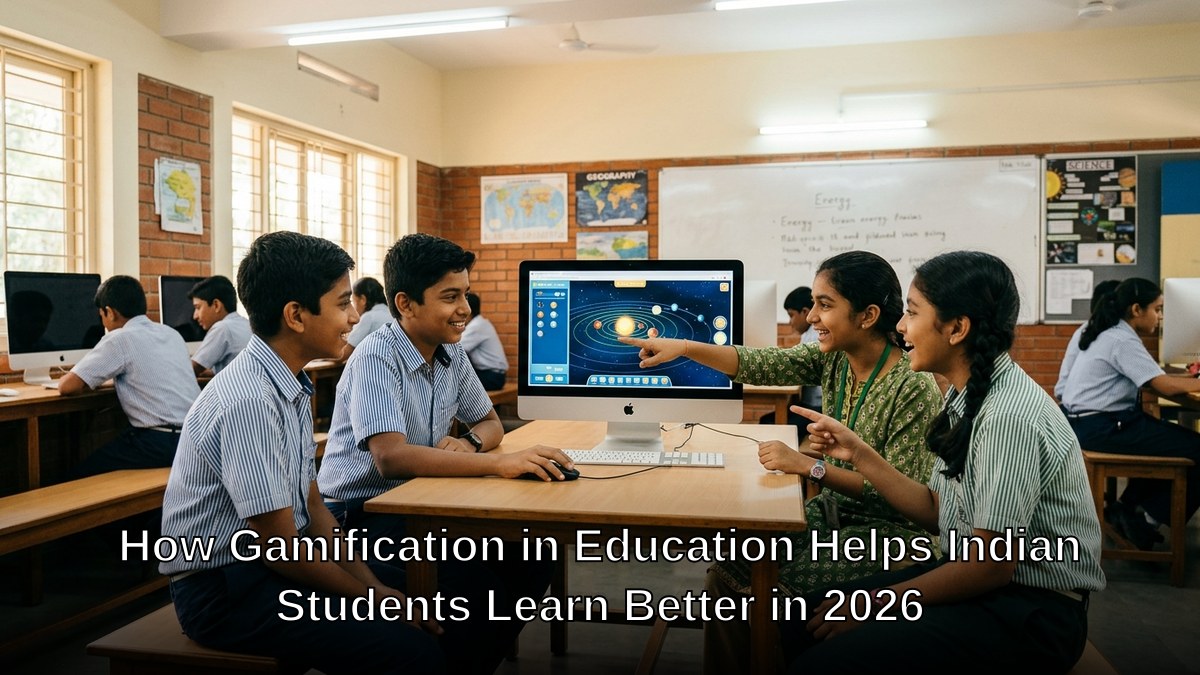
Why Gamification in Education Works for Indian Students
Most people don’t realise that the Indian education system hasn’t fundamentally changed in 50 years. Students sit. Teachers talk. Memory wins. But neuroscience shows us something powerful: the brain learns through challenge, reward, and immediate feedback. That’s exactly what games provide.
When a student plays an educational game, three things happen simultaneously:
- Immediate feedback: They know instantly if they’re right or wrong, not three weeks later when exam results arrive
- Intrinsic motivation: Points, badges, and level-ups trigger dopamine release. The brain wants to continue
- Safe failure: Losing a game level doesn’t mean failure. It means try again. This builds resilience
For Indian students specifically, interactive learning methods solve a real problem. Our classrooms are overcrowded. Our tuition centres are expensive. Our students are under immense pressure. Gamification strips away the anxiety. It transforms learning from punishment into play.
Consider this. A child learning multiplication tables through repetition might retain 40 percent. The same child playing a math game where they race against time to solve problems? Retention jumps to 85 percent. Not because the content changed. Because the delivery did.
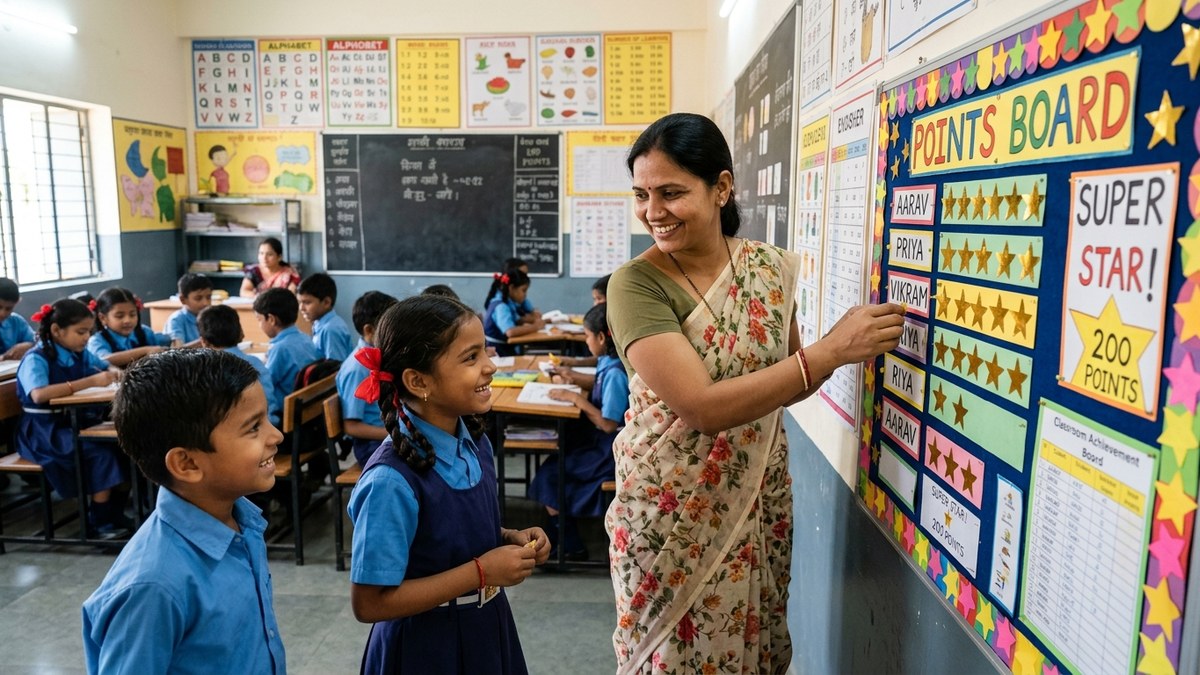
Building Your Own Point of Digital Learning with Game-Based Methods
If you’re a tuition teacher, homemaker, or edupreneur thinking about starting a learning centre, this is your moment. The infrastructure exists now. The demand is massive. And the technology is finally affordable.
Here’s what works. Set up a Point of Digital Learning (POD) where 8-10 students work on interactive learning methods for 90 minutes, three times a week. Use software that gamifies core subjects like math, science, and languages. Students progress at their own pace. Teachers monitor progress in real-time. Parents see results within 30 days.
The barrier used to be equipment cost. Not anymore. APNA PC is a complete bundle at Rs.30,000 that includes a Mini PC (i3 7th Gen, 8GB RAM, 128GB SSD), monitor, keyboard, mouse, webcam, headset, education software, 3-year warranty, and installation. One machine. Infinite students rotating through it. Your ROI hits break-even in three months.
That’s not a prediction. That’s what’s happening in 500+ learning centres across India right now.
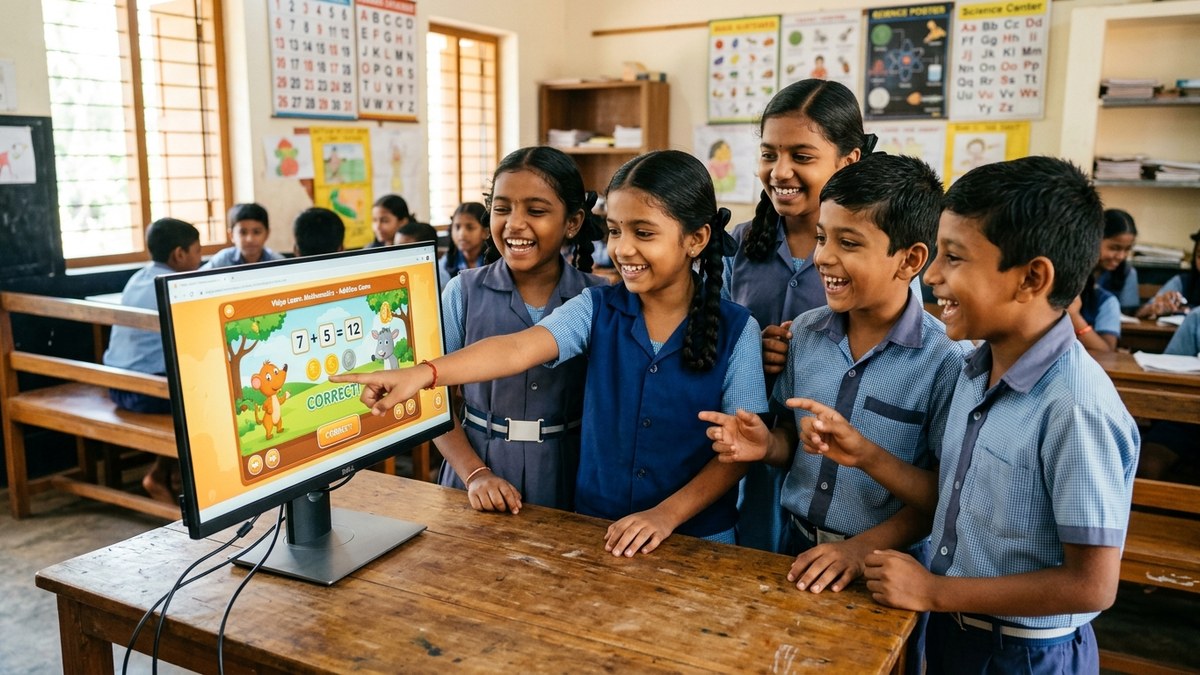
The Practical Reality for Parents and Teachers in 2026
By 2026, gamification in education won’t be optional. It’ll be standard. Schools that don’t integrate game-based learning will lose students to those that do. Private tuition centres will disappear unless they offer interactive learning. Parents will demand it.
So what do you do right now? Three things.
First, if you’re a parent, stop viewing games as the enemy of learning. Your child’s brain is wired for games. Use that. Look for educational software that gamifies math, science, and language. Check out the best AI tools for students to supplement classroom learning.
Second, if you’re a tuition teacher, upgrade your methods. You can’t compete with schools on content anymore. But you can compete on engagement. Gamification in education is your differentiator. One APNA PC running proper educational software will transform your tuition centre from a rote-learning factory into a real learning space.
Third, if you’re an edupreneur thinking about starting a POD, the timing is perfect. The demand for digital literacy skills is exploding. Parents are desperate for alternatives to traditional tuition. And the technology is now simple enough that you don’t need to be a tech expert to run it.
Understand the broader context. According to Education in India, the country has over 1.5 million schools and 250 million students. Yet learning outcomes remain poor. Gamification isn’t a luxury. It’s a necessity. And the Ministry of Education is quietly pushing digital integration at every level.
Your move. Do you stick with what’s broken? Or do you embrace game-based learning before your competition does?
If you’re ready to start a learning centre powered by gamification in education and interactive learning methods, launch your POD today. The infrastructure, the support, and the demand are all here.