
Your Living Room Can Become India’s Next Learning Hub This Summer
Sunita sits in her Bangalore living room, scrolling through job portals at 11 PM. Her two kids are asleep. She’s got a degree, ten years of teaching experience, and zero income. Sound familiar? Thousands of Indian homemakers, retired educators, and private tutors face this exact situation. But here’s what they don’t realize: your living room can become a learning POD this summer, a Point of Digital Learning where you earn money while transforming young minds.
The summer holidays are knocking on your door. Parents are desperately searching for quality learning solutions that don’t involve expensive coaching centers or screen time that fries their kids’ brains. This is your moment. Converting your living room into a study setup isn’t rocket science, and it doesn’t require massive investment. You don’t need to rent a commercial space or deal with landlord drama. Your home can become a professional, organized hub that attracts serious parents and generates consistent income.
Let’s talk about why this model makes sense for you right now. India’s education sector is shifting. Parents want personalized attention, flexible schedules, and affordable solutions. Whether you’re a homemaker wanting to restart your career, a senior citizen with decades of expertise, or a tuition teacher tired of working alone, this model is your answer. The best part? You control your schedule, your fees, and your growth.
Setting Up Your Home Learning Centre: The Basics
Before you get overwhelmed, let’s break this down. You need three core things: a dedicated space, the right technology, and a solid structure. You’ve already got the space. Your living room, a spare bedroom, or even a corner of your dining area can work. The key is creating an environment where students feel they’re in a “learning zone,” not someone’s home.
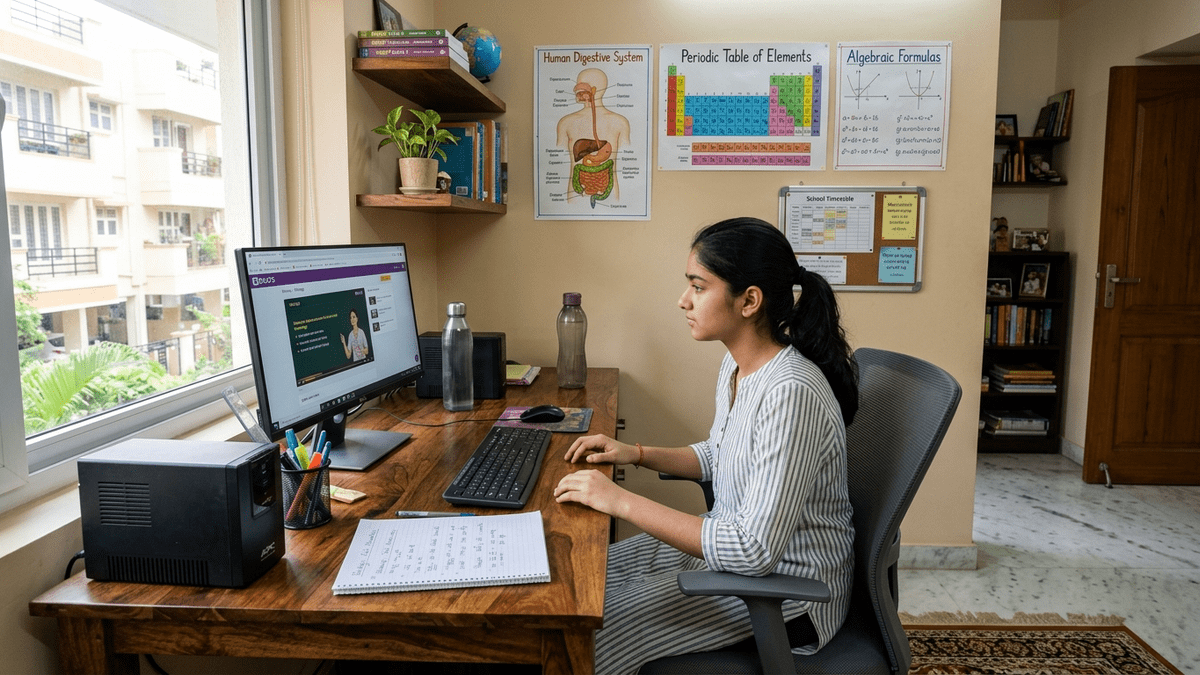
Here’s what transforms your regular living room into a professional setup. First, you need reliable technology. This isn’t optional anymore. Your setup needs a computer system that can handle video conferencing, educational software, and online resources without crashing at critical moments. This is where APNA PC comes in. At just Rs.30,000, the complete APNA PC bundle gives you everything: a Mini PC with i3 7th Gen processor, 8GB RAM, 128GB SSD, monitor, keyboard, mouse, webcam, and headset. Plus, you get education software pre-loaded and three years of warranty with installation support. For a homemaker or retired teacher starting out, this isn’t an expense. It’s an investment that pays for itself in your first month.
Next, arrange your physical space smartly. You need a dedicated desk or table where your computer sits. Position it so students can see the screen and you can see them. Good lighting is non-negotiable. Natural light from a window is ideal, but if that’s not possible, invest in a simple LED panel. Add a whiteboard or chart paper on the wall behind your desk. Yes, even with digital tools, a whiteboard is gold for explaining concepts. Keep the background clean and professional. No laundry piles, no messy shelves. Parents judge first by what they see on video calls.
Storage matters too. Get a small cabinet or shelf where you keep books, worksheets, and materials organized. When parents visit or during video tours, they should see a space that screams “serious learning center,” not “I’m running this from my bedroom.” Follow our POD setup checklist to ensure you don’t miss any details.
Creating Your Curriculum and Schedule
Technology and space are just the foundation. Your real value comes from what you teach and how you structure it. This is where your experience as a homemaker, senior citizen, or private tutor becomes your superpower.
Start by identifying your niche. Are you teaching English to younger kids? Math to Class 8 students? Spoken English to working professionals? Coding to teenagers? You don’t need to teach everything. You need to teach something brilliantly. When you specialize, you attract the right students and can charge premium fees.
Use NCERT resources as your foundation if you’re teaching school subjects. NCERT is trusted, standardized, and parents recognize it. Combine NCERT with interactive tools and supplementary materials. Your APNA PC comes with education software that helps you create engaging lessons without needing to be a tech wizard.
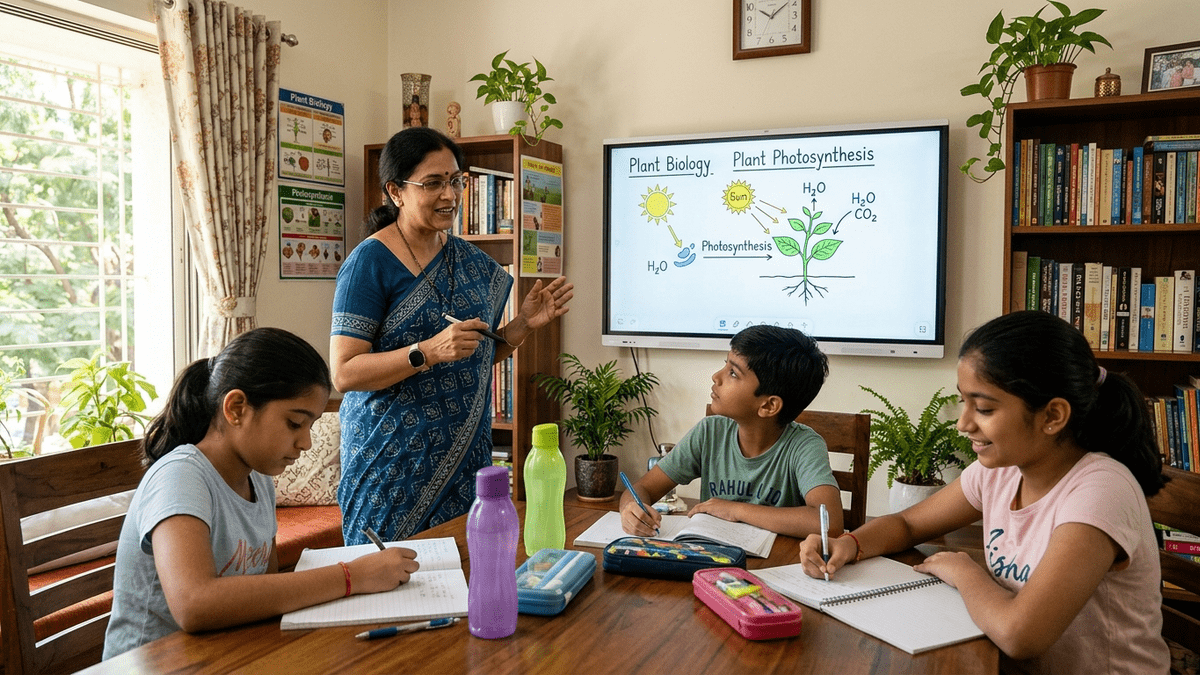
Structure your batches clearly. Instead of random timings, offer fixed batches: Morning Batch (9 AM to 11 AM), Afternoon Batch (2 PM to 4 PM), Evening Batch (5 PM to 7 PM). This helps you manage multiple groups and maximize your earning potential.
Consider blending online and offline learning. Your home learning centre can use platforms like Eklavya learning platform for interactive sessions while you handle personalized doubt-clearing in your living room. This hybrid model is what modern parents want.
Marketing Your Learning POD to Parents
You’ve set up your space and planned your curriculum. Now comes the part that scares many people: getting students. Here’s the truth: you don’t need fancy marketing. You need honest communication and word-of-mouth.
Start by telling everyone you know that you’re running a learning POD from home. Create a simple WhatsApp status or post on Facebook. Share your background, your experience, and what makes your setup different. If you’re a homemaker returning to work, mention that. If you’re a retired teacher with 25 years of experience, that’s gold. Parents want to know who’s teaching their kids.
Offer a free trial class. Yes, free. One 30-minute session where a potential student experiences your teaching style. This removes all risk for parents and usually converts 60-70% of trial attendees into paid students.
Understand the difference between being an edupreneur and a traditional home tutor. Read about edupreneur vs tuition teacher to position yourself correctly in the market. Edupreneurs think about scalability, systems, and sustainability. Your setup should too.
Making Your Learning POD Sustainable and Scalable
Running a POD isn’t just about the first month of income. It’s about building something sustainable. Track your expenses: APNA PC, internet, electricity, materials. Know your break-even point. Most PODs break even within 2-3 months when managed well.
Reinvest your early profits. Maybe you’ll add a second computer so you can run simultaneous sessions. Maybe you’ll upgrade your internet to fiber. Maybe you’ll hire an assistant to manage admin work. These investments make your operation more professional and scalable.
Your POD is also your stepping stone. Some homemakers turn their setups into franchise models. Some private tutors expand into multiple locations. Some senior citizens discover a new purpose and income stream they never expected. The summer you start could be the summer everything changes.
Ready to transform your living room into a thriving learning POD? The infrastructure is affordable, the demand is real, and the opportunity is now. Start your own POD today and turn your space into a profitable education hub.