
The Socialization Myth That Stops Indian Parents Cold
Your child will become isolated. They will struggle with peers. They will miss the “real school experience.” These are the fears that haunt every Indian parent considering homeschooling. Here is the truth: homeschooling socialization is not a weakness. It is actually a different strength. And when done right in the Indian context, it produces kids who are more confident, more curious, and far less anxious than their classroom peers.
Homeschooling in India is growing. Parents are waking up to the fact that socialization does not happen only between 9 AM and 3 PM in a crowded classroom. Yet the socialization question remains the biggest objection. Most people do not realise that homeschooling socialization is something you build intentionally, not something that happens by accident.
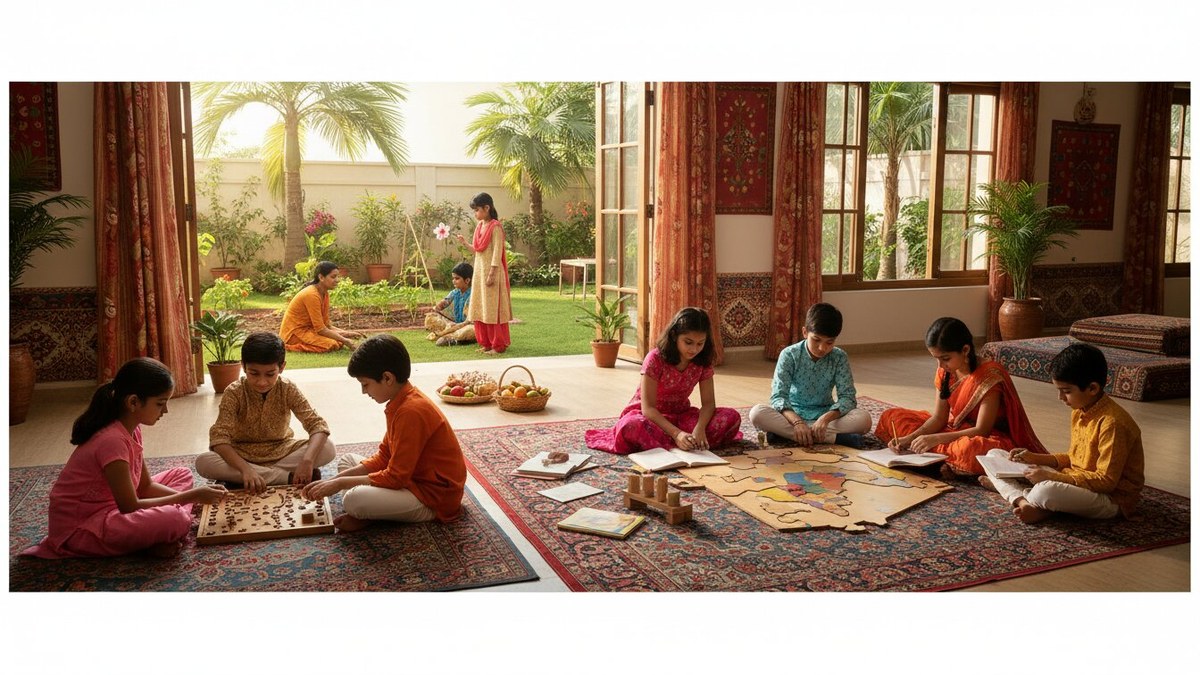
Where Indian Homeschooled Kids Build Homeschooling Socialization
Let us be honest: traditional school socialization is chaotic and often toxic. Kids learn to sit quietly, raise their hands, and compete for marks. That is not socialization. That is compliance training.
Real socialization happens through shared interests, real projects, and genuine community. Here is where Indian homeschooled children thrive:
- Co-learning groups and homeschool co-ops. These are popping up across Indian cities. Parents band together, hire trained educators, and run small learning pods. Children work on projects together, collaborate on science experiments, and build friendships based on actual shared learning. This is the POD model that works.
- Sports and arts classes. Homeschooled kids often have more flexibility to pursue serious training in sports, music, dance, or art. They meet other children with real passion, not just kids forced into the same activity by school schedules.
- Community service and volunteering. When you are not bound by a 6-hour school day, you can engage your child in meaningful community work. Teaching younger kids, helping at animal shelters, or working on environmental projects builds character and real-world connections.
- Field trips and educational outings. Homeschooled groups visit museums, farms, science centers, and historical sites together. These are not rushed 2-hour affairs. They are deep dives where kids ask real questions and learn from each other.
- Online learning communities. Through platforms like DIKSHA digital learning platform, homeschooled children connect with peers across India and beyond. They collaborate on projects, participate in virtual classes, and build friendships with kids they will never meet in person.
- Neighbourhood friendships. Homeschooled kids often have more time to build deep friendships with neighbourhood children. Not the shallow friendships of school, but real bonds based on playing together, helping each other, and genuine connection.
The NIOS homeschooling framework in India actually supports this approach. When you register through NIOS, you have the flexibility to design your child’s learning around real-world engagement. Check the NIOS homeschooling registration guide to understand your options.
Most people do not realise that homeschooled children often report higher confidence in social situations. Why? Because they have learned to interact with people of different ages, not just their own age group. They have worked on real projects with real stakes. They have not spent years in the anxiety factory that is competitive classroom culture.
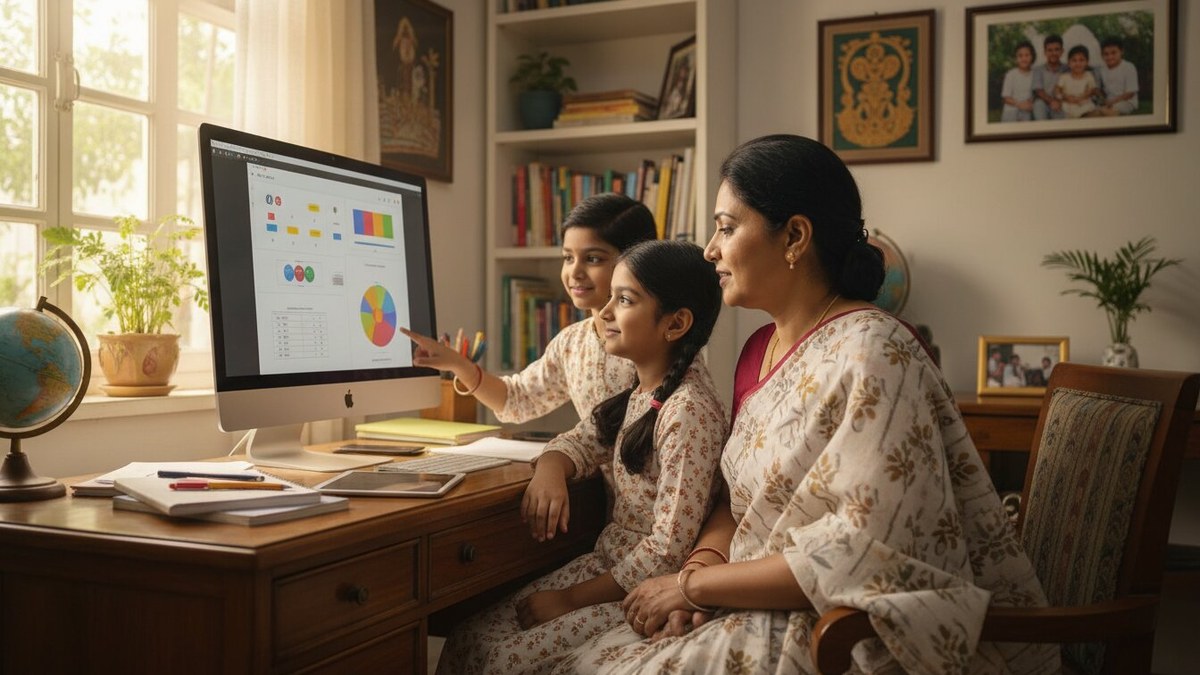
Building Your Homeschooling Socialization Plan
Here is what works. First, decide on your model. Will you homeschool solo? Join a co-op? Run a POD with other families? Each has trade-offs. Solo homeschooling gives maximum flexibility but requires you to build socialization deliberately. A POD gives structure and peer learning but costs money and requires coordination.
Second, be intentional. Do not leave homeschooling socialization to chance. Plan it like you plan academics. Your child needs at least 2-3 regular groups or activities per week where they interact with peers. This could be a homeschool co-op meeting, a sports class, an art workshop, or a community service project.
Third, leverage technology wisely. The right educational software and hardware can open doors to learning communities you could never access locally. When you have a solid setup like APNA PC, your child can join online classes, collaborate on projects, and build friendships across India. APNA PC comes as a complete bundle with education software, 3-year warranty, installation, and hardware (Mini PC i3 7th Gen, 8GB RAM, 128GB SSD, monitor, keyboard, mouse, webcam, headset) for Rs.30,000. This is not just a computer. It is a gateway to learning communities.
Fourth, stay connected to official frameworks. The Ministry of Education recognizes homeschooling through NIOS. The CBSE official website provides curriculum guidelines. Use these as your foundation, then build your socialization layer on top.
Read more about structuring homeschooling in India on the Apni Pathshala blog. Real stories from real families will show you what works.
Let us be honest: the homeschooling socialization question is really a confidence question. Parents worry because they have only known one model of schooling. They assume that if it is not happening in a classroom, it is not happening. But socialization is not a fixed thing that schools provide. It is something you build. And when you build it intentionally, your homeschooled child will have richer, deeper, more meaningful social experiences than most classroom kids.
Stop worrying about what your child will miss. Start planning what they will gain.