
Building a successful home-based learning POD (Point of Digital Learning) starts with one critical foundation: a well-designed curriculum. For edupreneurs launching their operations, the curriculum becomes your roadmap to student success and business growth. Whether you’re teaching 5 students or 50, a structured approach to learning POD curriculum India design separates thriving PODs from struggling ones.

This guide walks you through proven POD teaching methods and practical steps to create a curriculum that engages learners, meets educational standards, and positions your venture for sustainable growth.
Step 1: Understand Your Students and Learning POD Curriculum India Requirements
Before writing a single lesson plan, spend time understanding your target audience. What grade levels will your POD serve? What are their learning gaps? What subjects or skills do parents in your community want their children to master?
Start by conducting informal surveys with potential parents. Ask about their children’s academic struggles, interests, and learning preferences. This research directly shapes your curriculum strategy.
Next, align your curriculum with national standards. Resources like DIKSHA digital learning platform provide access to government-approved content frameworks. Your curriculum should complement these standards while adding your unique value.
Document your findings in a simple curriculum audit sheet. Note which subjects you’ll teach, grade levels served, and how your teaching methods will differ from traditional classrooms.
Step 2: Design Your Learning POD Curriculum India Structure
A strong framework includes three layers: annual overview, unit plans, and lesson plans.
Annual Overview: Map out what students will learn across 9-10 months. Break subjects into 8-12 major units. For example, a mathematics POD might cover: number systems, algebra basics, geometry, data handling, and practical applications.
Unit Plans: For each unit, define learning objectives, duration (typically 2-4 weeks), key topics, and assessment methods. A unit on “Environmental Science” might include soil types, water cycles, biodiversity, and a hands-on project.
Lesson Plans: Create detailed weekly lesson plans showing daily activities, resources needed, and learning outcomes. This is where POD teaching methods come alive through interactive activities, group discussions, and practical experiments.
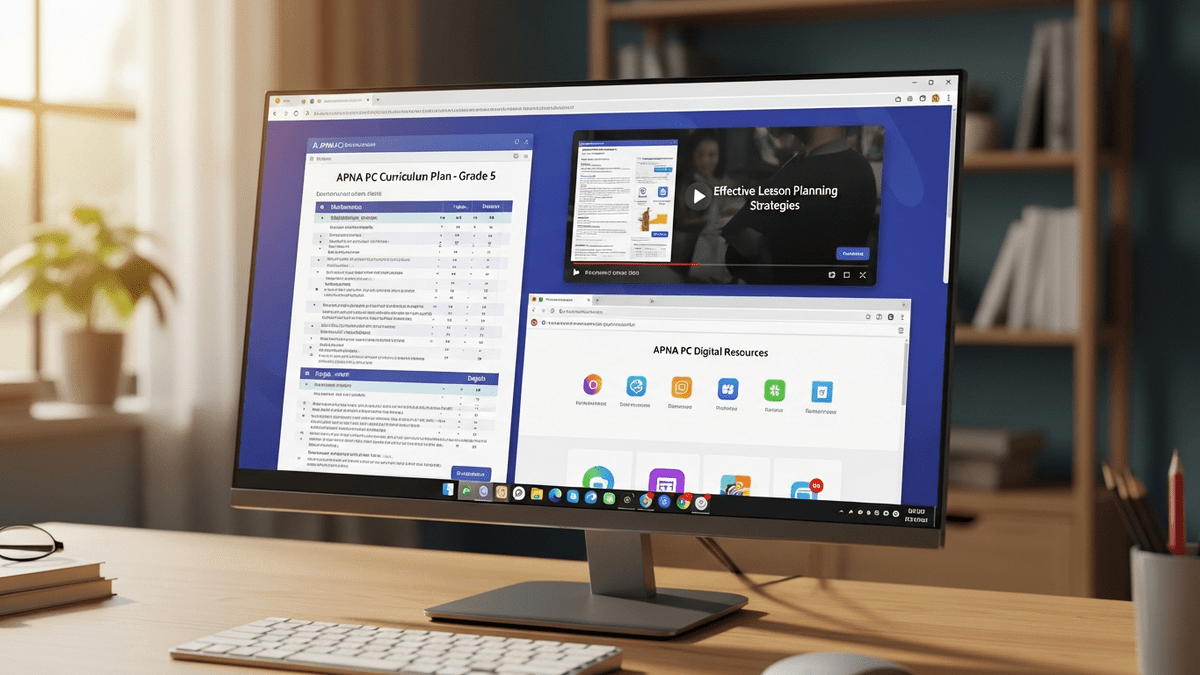
Use APNA PC (Rs.30,000 complete bundle) to digitally organize and store all curriculum documents. The system includes productivity software perfect for building efficient curriculum systems.
Step 3: Integrate Teaching Methods That Engage Learners
Your curriculum succeeds only when teaching methods match your design. Move beyond lecture-based approaches.
Blended Learning: Combine in-person instruction with digital content. Use APNA PC to access online resources, videos, and interactive tools that supplement classroom teaching.
Project-Based Learning: Design units around real-world problems. Students in your POD might build models, conduct experiments, or create presentations that demonstrate mastery.
Peer Learning: Structure group activities where students teach each other. This approach builds communication skills and deepens understanding.
Personalized Pathways: Recognize that students learn at different speeds. Your curriculum design should include flexible pacing options and choice-based activities.
Step 4: Select and Organize Learning Resources
Your learning POD curriculum India needs quality resources. This includes textbooks, worksheets, videos, interactive apps, and hands-on materials.
Start by auditing free government resources. The Digital India initiative promotes open educational resources aligned with Indian curricula. These are excellent additions without additional costs.
Invest in 3-4 quality textbooks per subject. Supplement with curated online content from reputable edu-tech platforms. Use APNA PC to maintain a digital library categorized by subject, grade, and learning objective.
Create a resource matrix showing which materials support each unit. This organization saves preparation time and ensures consistency across your POD.
Step 5: Build Assessment and Feedback Systems
Your curriculum must include clear assessment strategies. Don’t rely on tests alone.
Formative Assessments: Daily quizzes, class discussions, and observation notes help you track progress continuously. Adjust your teaching methods based on these insights.
Summative Assessments: Unit tests, projects, and presentations show overall mastery. These become proof points for parents evaluating your POD’s effectiveness.
Portfolio Development: Have students maintain digital portfolios on APNA PC showing their best work, growth over time, and reflections on learning.
Create a feedback loop where assessment data directly informs curriculum adjustments. If students struggle with specific concepts, revisit your unit plans and teaching methods.
Step 6: Document and Refine Continuously
Your learning POD curriculum India is not static. Review it quarterly. Gather feedback from students, parents, and co-instructors. Note what worked, what didn’t, and what needs updating.
Keep detailed records of student outcomes by curriculum unit. This data becomes invaluable for improving your design and marketing your POD’s effectiveness to new families.
Use APNA PC’s built-in tools to create dashboards tracking student progress against curriculum objectives. This professional approach strengthens your POD’s credibility.
Designing a winning curriculum requires thoughtful planning, quality resources, and commitment to continuous improvement. By following these steps, you create a structured yet flexible framework that engages students, satisfies parents, and establishes your POD as a trusted educational alternative.
Your curriculum becomes your competitive advantage. It shows families exactly what their children will learn, how they’ll learn it, and what results they can expect. Combined with effective teaching methods and quality instruction, strong curriculum design transforms your home-based learning center into a thriving educational business.
Ready to bring your vision to life? Start building your curriculum with APNA PC (Rs.30,000 complete bundle) and access all the digital tools you need to organize, deliver, and track your POD’s success. Become an edupreneur today and transform education in your community.