
As a parent, you want your child to succeed academically without compromising on personalized attention and affordability. The choice between learning POD vs tuition has become increasingly important as education evolves. Traditional tuition centers often feel crowded, expensive, and disconnected from your child’s unique learning pace. A Point of Digital Learning (POD) offers a modern, flexible alternative that many parents are now discovering.
What Makes Learning POD vs Tuition Different for Parents?
The fundamental difference between learning POD vs tuition lies in flexibility, technology integration, and community focus. While traditional tuition relies on rigid schedules and one-size-fits-all teaching, POD learning benefits include personalized pacing, digital resources, and peer collaboration in intimate settings. PODs are home-based or community-driven learning centers that blend technology with human connection, something standard tuition classes struggle to deliver.
Sign 1: Your Child Feels Lost in Large Tuition Batches
Your child sits in a classroom with 30 other students, and getting individual attention becomes nearly impossible. POD learning benefits shine here. With smaller groups (typically 5-10 children), educators can identify gaps quickly and adjust teaching methods. In a traditional tuition setting, teachers often follow a one-size-fits-all curriculum that moves at a predetermined pace, leaving struggling students behind and bored high-achievers unchallenged.
A learning POD eliminates this problem entirely. Instructors can spend quality time understanding each child’s learning style, whether they are visual learners, kinesthetic learners, or auditory learners. This personalized approach means your child receives targeted support exactly where they need it most, transforming their academic confidence and performance.
Sign 2: Tuition Fees Are Straining Your Budget
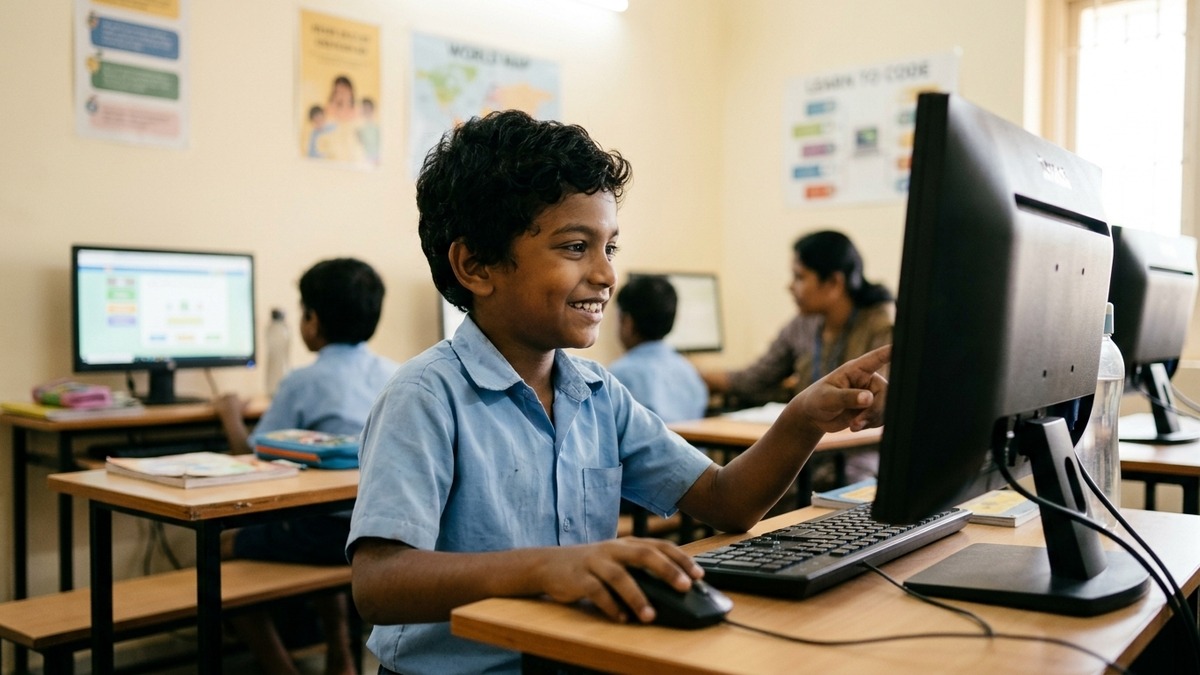
Monthly tuition costs add up fast, often Rs.2,000-5,000 per subject. Learning POD vs tuition economics heavily favor PODs. You can start a home-based POD with APNA PC at just Rs.30,000 (complete bundle), giving your child unlimited access to quality digital resources. This investment covers technology, curriculum access, and ongoing support without recurring monthly fees.
Sign 3: Your Child Needs Flexible Scheduling
Tuition centers operate on fixed timings that rarely align with your family schedule. POD learning benefits include scheduling flexibility. Whether your child has sports practice, music lessons, or family commitments, a POD can adapt its timetable to fit your lifestyle. Many parents struggle to juggle multiple tuition classes across different locations and time slots, creating unnecessary stress for both children and families.
With a home-based learning POD, you regain control of your schedule. Classes can be scheduled during weekends, early mornings, or evenings, whatever works best for your household. This flexibility also means your child is not rushing from one commitment to another, arriving at tuition exhausted and unable to concentrate.
Sign 4: Your Child Lacks Hands-On, Practical Learning
Traditional tuition focuses on rote memorization and textbook learning that feels disconnected from real-world applications. PODs leverage technology for interactive simulations, digital experiments, and project-based learning that brings subjects to life. When a child understands why they are learning something, how it applies to their world, knowledge sticks far better than memorized facts.
For example, instead of memorizing formulas, students in a POD can use interactive apps to see how physics principles work in video games or engineering projects. This hands-on, practical approach transforms learning from a chore into an exciting discovery process. Your child develops critical thinking skills and genuine curiosity rather than just passing exams. APNA PC enables access to platforms like DIKSHA, India’s national digital learning platform, offering engaging content aligned with the Digital India initiative.
Sign 5: Your Child Needs Community and Peer Learning
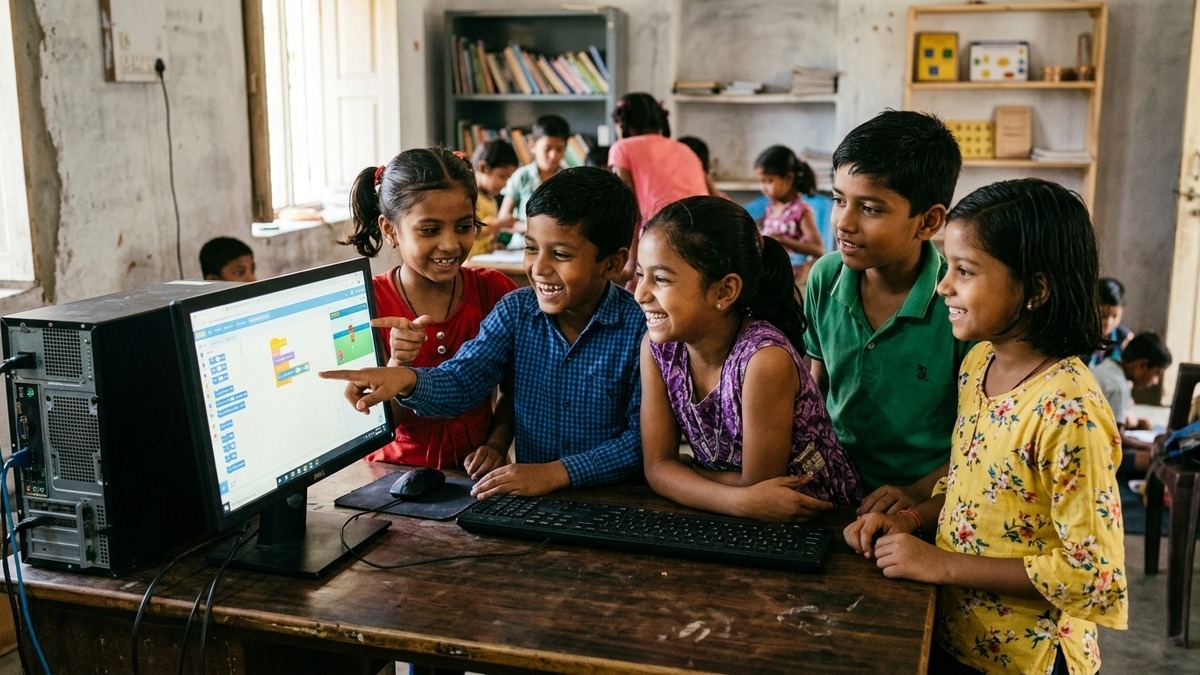
Isolated tuition sessions feel disconnected and lonely, with children viewing learning as a solitary struggle against difficult material. PODs offer collaborative peer interaction where students learn together, share ideas, and solve problems as a team. This social learning environment builds confidence because children realize they are not alone in their struggles, their peers face similar challenges.
Group discussions, peer teaching moments, and collaborative projects create a supportive community that motivates children to engage more deeply with their studies. Your child develops communication skills, learns to articulate their thinking, and gains emotional support from peers facing similar academic journeys. This sense of belonging transforms how children perceive learning itself.
Why Learning POD vs Tuition Is the Better Choice
The shift from learning POD vs tuition is not just about cost savings. It is about reimagining education. PODs empower educators as entrepreneurs (explore how edupreneurs differ from traditional tuition teachers) while giving children personalized, tech-enabled, community-driven learning experiences. With APNA PC, you are investing in your child’s future and supporting a sustainable education model.
Ready to explore how POD learning can transform your child’s education? Explore APNA PC for your child today. For just Rs.30,000 (complete bundle), you get everything needed to access quality digital learning resources and join a growing community of forward-thinking parents choosing PODs over traditional tuition.