
What is a Microschool at Home India?
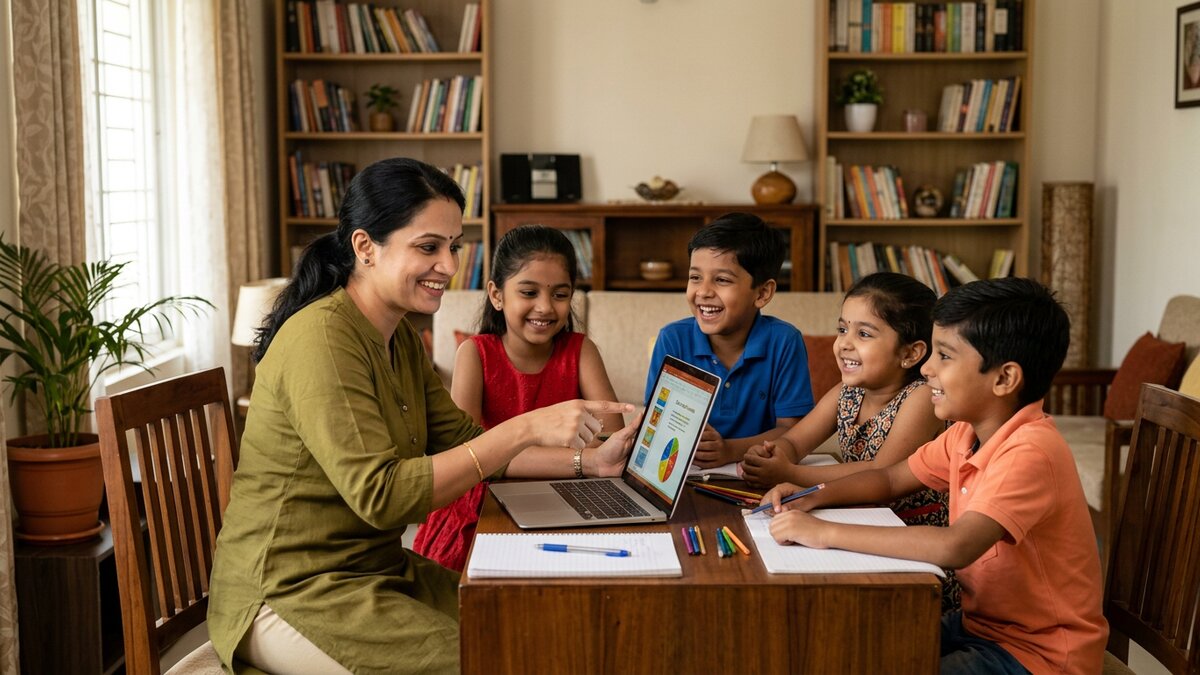
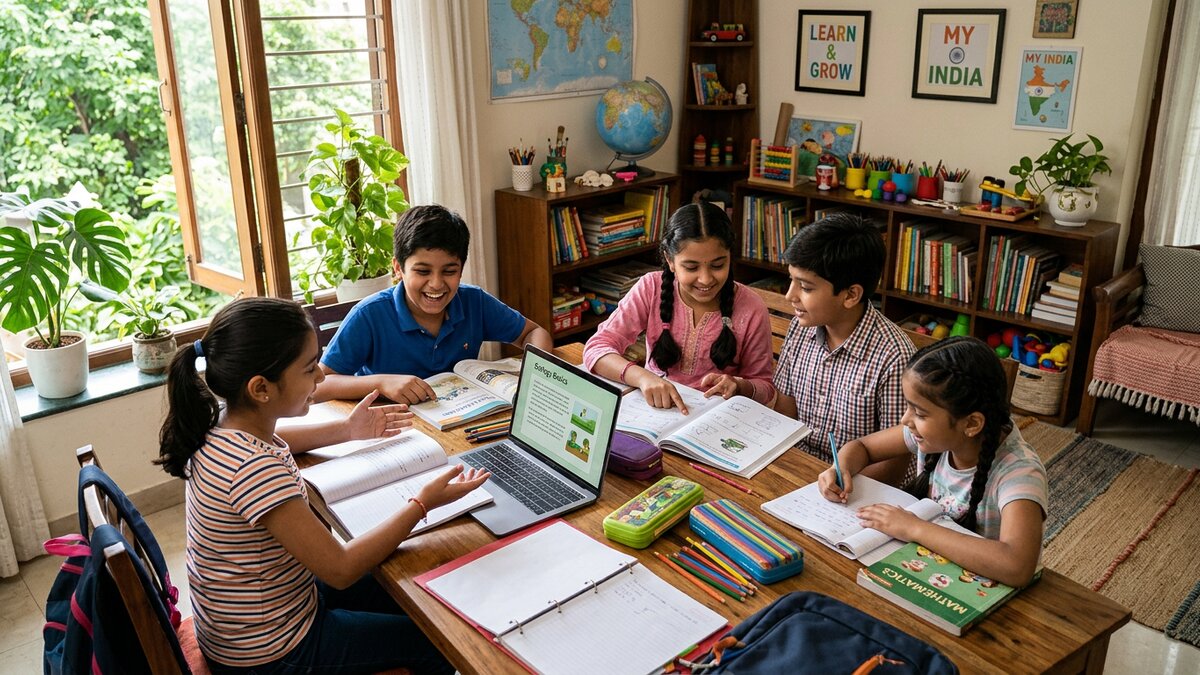
A microschool at home India represents a hybrid learning model combining personalized instruction with structured curriculum. These PODs focus on core subjects like mathematics, languages, and digital literacy while emphasizing critical thinking and practical skills. The intimate classroom size allows educators to understand each child’s strengths and weaknesses, creating customized learning pathways. This approach fills the gap between expensive private schools and overcrowded government institutions, making quality education accessible to middle-class families across India.
The microschool model thrives on flexibility. You can operate from your living room, spare bedroom, or designated study area. Many successful PODs in India serve 10-12 students per batch, running multiple sessions throughout the day. This scalability means you can start small and expand as demand grows in your locality.
Why Parents Choose Microschool at Home India Models
Parents increasingly recognize that microschool at home India setups offer advantages traditional schools cannot match. Smaller class sizes mean children receive individualized attention. Teachers can identify learning gaps immediately and provide targeted interventions. The home environment feels safer and more comfortable for anxious learners, while the structured curriculum ensures academic rigor.
Cost is another compelling factor. A microschool at home India typically charges Rs.2,000-5,000 per month per student, significantly less than private schools charging Rs.8,000-15,000 monthly. Parents appreciate transparent fee structures and knowing exactly where their money goes.
Essential Steps to Start Your Microschool at Home India
1. Plan Your Microschool at Home India Curriculum
Begin by defining your academic focus. Will your microschool at home India emphasize STEM, languages, competitive exam preparation, or holistic development? Research your local market to identify gaps. Use resources like DIKSHA digital learning platform to access free, quality educational content aligned with Indian curricula.
2. Set Up Your Physical Space
Your home microschool at home India needs basic infrastructure: comfortable seating, adequate lighting, whiteboards or smart boards, and reliable internet connectivity. Invest in age-appropriate furniture and learning materials. A dedicated space signals professionalism to parents and helps children transition into “learning mode.”
3. Obtain Necessary Documentation
Register your POD as a home-based learning center. While regulations vary by state, most require basic documentation including proof of residence, educational qualifications, and health certificates. Check your local municipal corporation guidelines before launching your microschool at home India.
4. Leverage Digital Tools with APNA PC
Technology is crucial for modern PODs. APNA PC, a complete bundle priced at Rs.30,000, provides everything needed to run a digital-enabled microschool at home India. This comprehensive solution includes hardware, educational software, digital content management tools, and parent communication platforms. APNA PC eliminates the need for expensive individual purchases, allowing educators to allocate resources toward quality content and teacher training instead.
Building Your Microschool at Home India Community
Success depends on creating a supportive learning community. Use parent-teacher communication apps to share progress updates and involve families in the learning journey. Host monthly parent meetings to discuss curriculum adjustments and celebrate student achievements. Word-of-mouth referrals drive enrollment in microschool at home India models, so prioritize parent satisfaction and transparent communication.
For comprehensive guidance on structuring your learning center, explore our guide to starting a learning centre. Parents new to non-traditional education should review our homeschooling guide for 2026 to understand pedagogical approaches.
Financial Viability of Microschool at Home India
A microschool at home India with 12 students paying Rs.3,000 monthly generates Rs.36,000 in revenue per month. After accounting for curriculum materials, internet, utilities, and teacher assistance, monthly profit ranges from Rs.15,000-22,000 depending on operational efficiency. Initial investment remains low since you’re using existing home space rather than renting commercial property.
APNA PC’s Rs.30,000 investment pays for itself within 2-3 months of operation. The platform streamlines administrative tasks, reduces paper usage, and enables online classes during emergencies, critical features that enhance your POD’s resilience and appeal to tech-savvy parents.
Overcoming Common Challenges in Microschool at Home India
Regulatory concerns worry many aspiring educators. Start by consulting your local education department about home-based learning center requirements. Most states welcome PODs that maintain academic standards and safety protocols. Document everything, attendance records, curriculum materials, parent feedback, to demonstrate professionalism.
Marketing your microschool at home India requires strategic effort. Create a simple website, leverage local WhatsApp groups and Facebook communities, and encourage satisfied parents to refer friends. Offer trial classes to build confidence among hesitant families.
The Future of Microschool at Home India
The microschool movement is reshaping Indian education. Parents increasingly reject the one-size-fits-all approach of traditional institutions. Your microschool at home India can become a beacon of personalized, quality education in your neighborhood while providing you with meaningful work and financial independence.
Ready to launch your microschool at home India? Start your POD today with APNA PC. For just Rs.30,000, you get a complete digital bundle designed specifically for home-based learning centers. Order APNA PC now and join hundreds of educators transforming education across India.