
The Microschool vs Traditional School Debate: What Indian Parents Actually Need to Know
Your child’s education is too important to leave to assumptions. Right now, thousands of Indian parents are caught between two worlds: the familiar structure of traditional schools and the newer, smaller microschool model. Both promise results. Both have real limitations. Let’s cut through the noise.
The microschool vs traditional school India conversation has heated up in recent years, and for good reason. Parents are asking harder questions. They’re noticing that one-size-fits-all education isn’t working for their kids. But switching from traditional school to a microschool (or vice versa) is a serious decision. It affects your child’s academics, social development, and your family’s budget. This guide breaks down what you actually need to consider.
What Exactly Is a Microschool?
Here’s the truth: a microschool is simply a small learning community, usually with 15-30 students across multiple age groups, run by trained educators. Think of it as the opposite of a 2,000-student government or private school. Microschools focus on personalized learning, flexible curricula, and often blend online and offline methods.
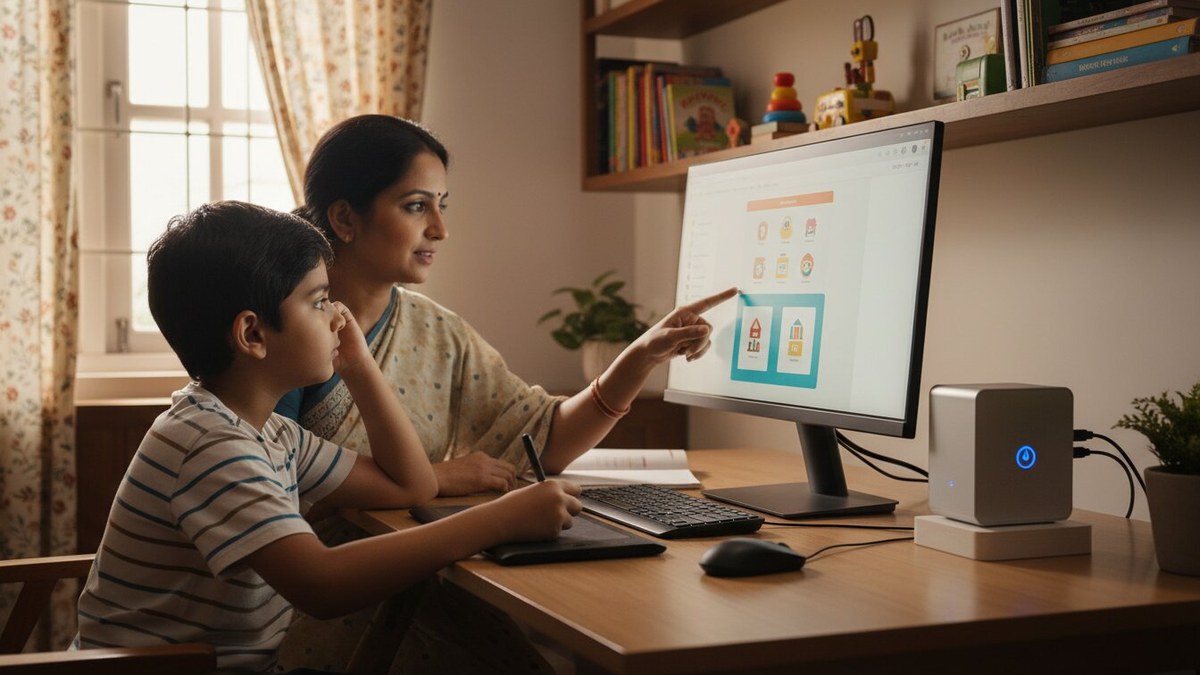
Many microschools operate as learning pods (or POD – Point of Digital Learning) in homes or community centres. They use platforms like DIKSHA digital learning platform alongside hands-on teaching. The educator knows every student by name, tracks their progress closely, and adjusts teaching pace accordingly.
Microschool Advantages: Why Parents Are Switching
- Personalized attention. Your child isn’t one of 50 in a classroom. Teachers actually know what they struggle with.
- Flexible learning pace. A struggling reader doesn’t get left behind. A fast learner doesn’t get bored waiting for the class.
- Lower student-teacher ratio. One educator per 8-12 students means real feedback, not just red marks on homework.
- Mixed-age learning. Younger kids learn from older ones. Older kids develop leadership by helping younger peers.
- Reduced pressure and anxiety. No massive competitive exams every term. Focus is on understanding, not cramming.
- Lower fees (usually). A quality microschool often costs 30-50% less than premium private schools.
- Flexible schedules. Many microschools adjust timings for working parents or offer hybrid models.
Most people don’t realise that microschools can deliver board-aligned curricula while maintaining these advantages. Your child can study for CBSE or state boards within a personalized microschool environment. It’s not either-or.
Traditional School Advantages: They’re Still Relevant
- Established infrastructure. Labs, libraries, sports facilities, auditoriums. Microschools rarely have these.
- Brand recognition. A degree from a well-known school carries weight in admissions and job applications.
- Peer diversity. Large schools expose kids to many backgrounds, interests, and social groups.
- Specialized teachers. Math teachers, science teachers, language experts. Not one person teaching everything.
- Co-curricular programs. Established sports teams, debate clubs, science fairs, cultural programs.
- Structured routine. Clear schedules, uniforms, discipline. Some parents value this predictability.
Traditional School Limitations: The Hard Truth
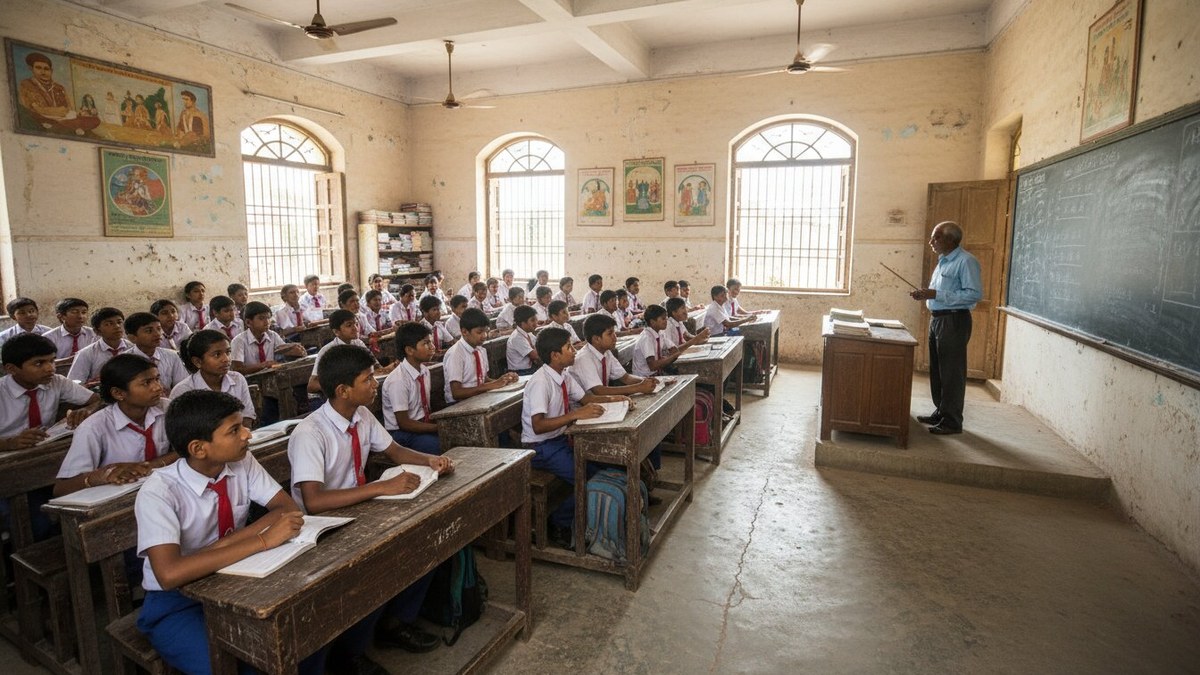
Let’s be honest: most traditional schools in India have real problems. Class sizes of 40-60 students are normal. Teachers are stretched thin. Individual attention is a luxury, not a standard. Your child’s unique learning style gets ignored in favour of teaching to the test.
Rote learning still dominates. Students memorize facts without understanding concepts. Creativity and critical thinking take a backseat to marks and rankings. Bullying goes unchecked in large environments. Mental health support is minimal or non-existent. And the pressure? It starts in Class 1 and doesn’t stop.
Many traditional schools also lag on digital integration. They use technology as a tool for administration, not for actual learning. Compare this to microschools using platforms like Apni Pathshala blog to track progress and personalize lessons.
Cost Comparison: What You’ll Actually Spend
Traditional private schools in India typically charge Rs.1,00,000 to Rs.5,00,000+ per year. Add uniforms, books, transport, tuition. Government schools are cheaper upfront but often require private tuition (another Rs.5,000-20,000 monthly) to keep pace.
In the microschool vs traditional school India cost debate, the numbers surprise most families. Quality microschools average Rs.30,000 to Rs.80,000 annually. No hidden costs. No pressure to buy expensive uniforms or coaching classes. For families running their own learning pods, the investment is even lower. A complete digital setup like APNA PC (Rs.30,000 bundle with Mini PC i3 7th Gen, 8GB RAM, 128GB SSD, monitor, keyboard, mouse, webcam, headset) covers your technology infrastructure for years.
Which Model Suits Your Child?
Traditional school works if your child thrives in structured, competitive environments. If they’re self-motivated, social butterflies who enjoy large peer groups, and you value established infrastructure and brand names, traditional school is solid.
Microschools work if your child needs individualized attention, learns at a different pace, or struggles with anxiety in large classrooms. If you prioritize understanding over marks, and you want a warm, community-based environment, microschools are worth serious consideration.
Here’s what UNESCO global education research confirms: student outcomes depend more on teacher quality and student engagement than school size. Both models work in the microschool vs traditional school India debate. The question is which fits your child and family.
The Hybrid Option: Learning Pods and Homeschooling
Many Indian parents are choosing a third path. They combine microschool principles with flexible homeschooling programs in India and learning pods. Your child gets personalized attention from a trained educator, studies at their own pace, and learns using digital tools alongside hands-on methods.
If you’re considering this route, check the India Ministry of Education guidelines for homeschooling recognition in your state. Some states recognize board exams even for home-schooled students, giving you flexibility without sacrificing official credentials.
Are You an Educator? Consider Starting a Pod
If you’re a retired teacher, homemaker, or tuition educator, there’s a growing opportunity here. Microschools and learning pods are expanding across India because parents want alternatives. You can start a Teach to Earn learning pod with minimal investment, using digital platforms and a small physical space.
The microschool vs traditional school India shift is creating real demand for quality educators who can run small, personalized learning communities. This isn’t just a trend. It’s a genuine shift in how Indian parents think about education.
Final Verdict
Neither model is universally “better.” Traditional schools offer scale, infrastructure, and social diversity. Microschools offer personalization, flexibility, and community. Your child’s needs, your family’s values, and your budget should drive the decision. Not peer pressure. Not assumptions. Not what worked for your neighbour’s kid.
Take time. Visit schools and microschools. Talk to current parents. Observe how your child responds to different learning environments. Then decide with confidence.