The Microschool Revolution Has Already Started. Your Neighbourhood Is Next.
Here is the truth: the traditional school system in India cannot reach every child who needs quality education. And it never will. Not because teachers don’t care. Not because the government isn’t trying. But because the model itself is broken. Overcrowded classrooms. Fixed curricula that ignore local needs. Learning centres that sit empty in villages while cities overflow. Enter the microschool. A microschool is not a smaller version of a traditional school. It’s a complete rethink of how education happens. It’s personalised. It’s local. It’s affordable. And in 2026, microschools are reshaping education across India in ways that matter.
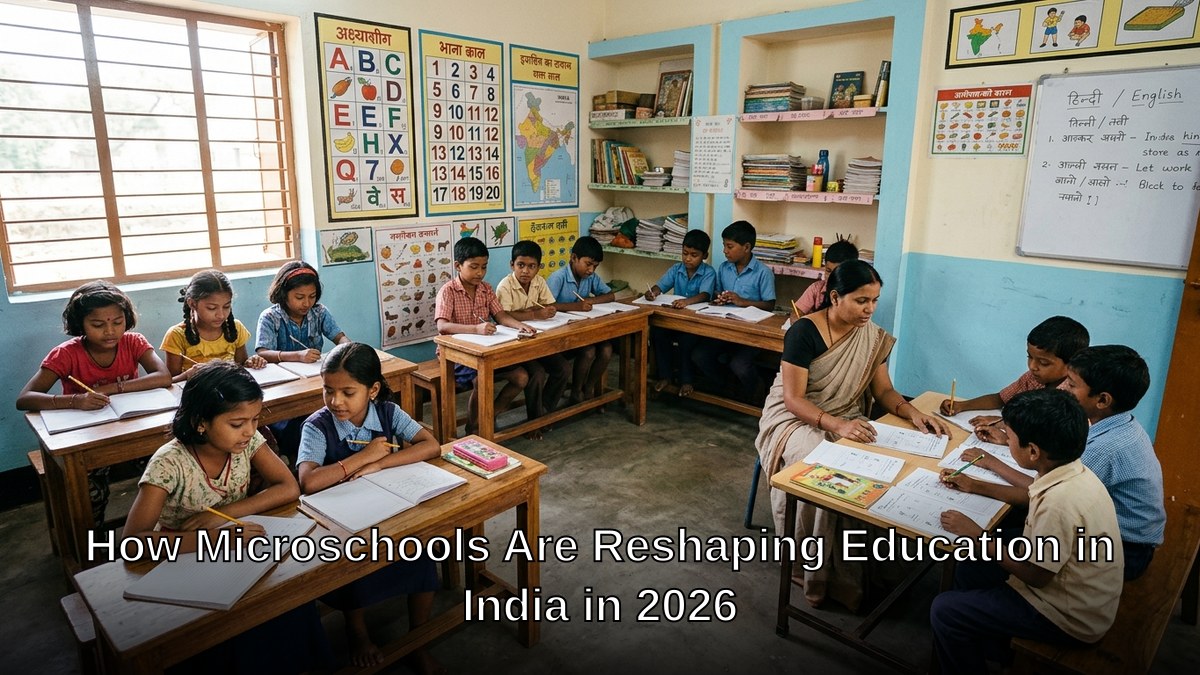
Most people don’t realise that a microschool can operate from a home, a community centre, or a rented shop. One trained educator. 15 to 25 students. Real curriculum. Real outcomes. No bureaucracy. No waiting lists. No overcrowding. This is not experimental. This is happening right now in urban neighbourhoods, semi-urban towns, and rural communities.
The microschool model thrives on two pillars: community learning and affordable education. These aren’t buzzwords. They’re survival mechanisms for families earning Rs.15,000 to Rs.50,000 per month who want their children to learn but cannot afford Rs.8,000 to Rs.15,000 monthly school fees.
Why Microschools Work Where Schools Don’t
Let’s be honest: conventional schools have overhead. Land. Buildings. Salaries for 50 staff members. Uniforms. Buses. Sports complexes. Microschools have none of this. A single educator with proper training can deliver better learning outcomes than a classroom of 60 students with one overwhelmed teacher.
The economics are simple. A microschool can charge Rs.2,000 to Rs.4,000 per month. Parents pay. Educators earn. Children learn. No middleman. No waste. Community learning becomes the backbone. Parents become stakeholders. Local leaders become supporters. The entire ecosystem shifts.
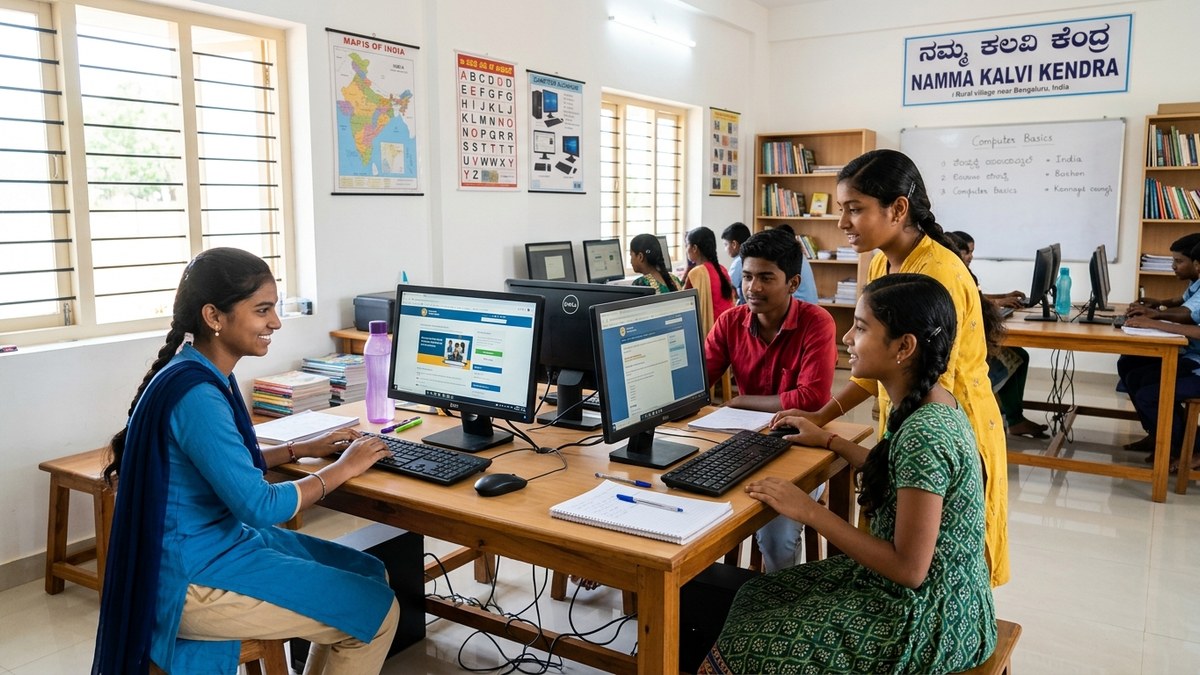
What makes this work in 2026 is technology. A Point of Digital Learning (POD) is a home or community learning centre run by a trained educator. It’s equipped with the right tools. The APNA PC bundle (Rs.30,000) gives you everything: education software, a Mini PC with i3 7th Gen processor, 8GB RAM, 128GB SSD, monitor, keyboard, mouse, webcam, headset, plus 3-year warranty and installation. This is not a luxury. This is the foundation. Every POD needs this.
Why? Because digital access is no longer optional. It’s essential. Students need to learn coding. They need to access online resources. They need to present work. They need to see the world. A POD with APNA PC makes this possible for Rs.30,000 one-time investment.
The Educator Is Everything
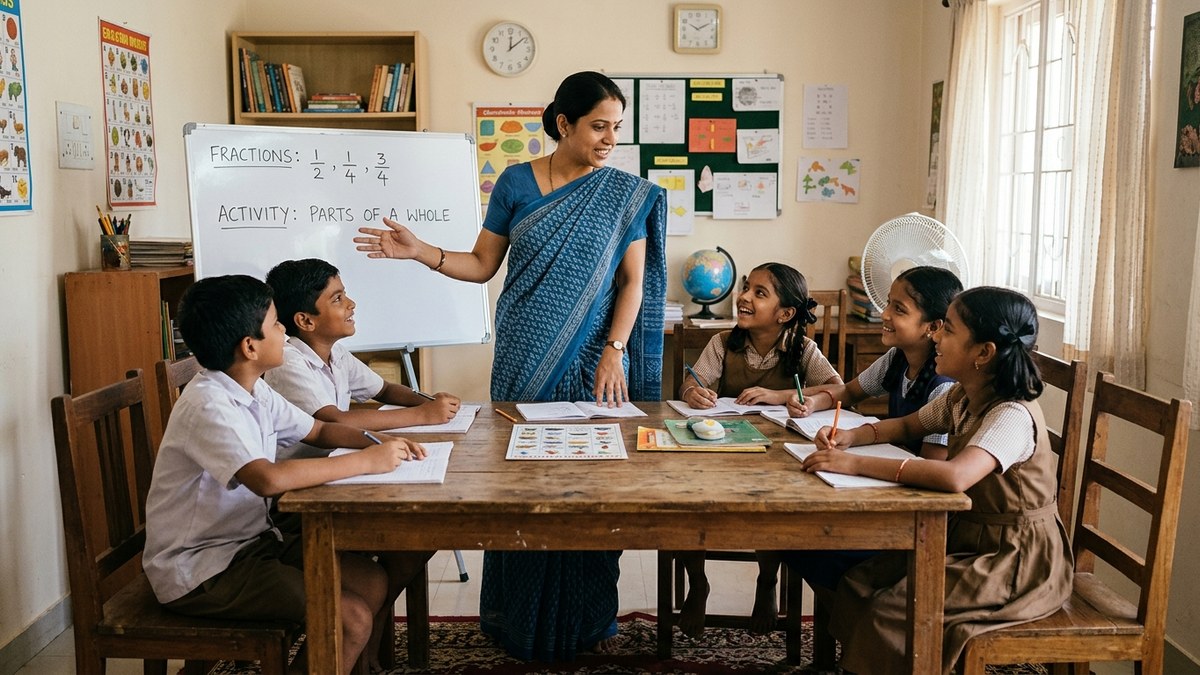
A microschool succeeds or fails based on one person: the educator. Not the building. Not the fees. The person teaching. This person must be trained properly. They must understand pedagogy. They must know how to use technology. They must care about outcomes. They must be willing to work differently.
Digital literacy for women is opening new doors here. Women educators are launching PODs in their neighbourhoods. They’re earning Rs.40,000 to Rs.80,000 monthly while teaching 20 students. They’re creating jobs. They’re building community. They’re proving that education doesn’t need institutional backing to be excellent.
The training matters. The support matters. The technology matters. But the educator? The educator is everything.
Community Learning Changes Everything
When education happens in a community, something shifts. Parents aren’t distant. They’re involved. They see what their children are learning. They contribute. They hold the educator accountable. Local leaders notice. They want to support. They see education as community infrastructure, not a private service.
This is where microschools beat traditional schools. A school is separate from the community. A POD is embedded in it. UNESCO education research confirms this: learning outcomes improve when families and communities are directly involved in education.
Microschools create this naturally. Because they’re small. Because they’re local. Because they depend on community support to survive.
Affordable Education Isn’t Charity. It’s Business.
Here is the truth: affordable education can be profitable. Not for shareholders. For educators. For communities. A microschool educator can earn a solid living while charging fees that poor families can actually pay. This is the model. This is what’s reshaping education in 2026.
Start a microschool. Get trained. Set up your POD. Charge fair fees. Build relationships. Watch outcomes. Earn dignity. This is the promise.
The microschool isn’t a trend. It’s a correction. It’s what happens when you stop trying to fit every child into the same mould and start building learning around how communities actually work.
Ready to be part of this shift? Launch your POD today. Or learn more about how to start a microschool in your community. The time is now.