
Your Child’s Grades Are Stuck. Here’s Why Peer Learning Groups Actually Work
Most students study alone. Most students plateau. They hit a wall around class 8 or 9, and parents panic. But here’s the truth: isolation kills learning velocity. When your child studies in a peer learning groups setting, something shifts. Not because of magic. Because of how the brain actually works.
Peer learning groups aren’t just about “group study.” That’s what most people don’t realise. Group study can be chaos. Three kids on their phones, one pretending to read, everyone confused. Real peer learning groups are structured. They have purpose. They have accountability. And the results speak for themselves.
Let’s be honest: your child’s tuition teacher, however good, can only reach so far when teaching one student at a time. But put that child in a group of 4-6 peers tackling the same problem? Suddenly they’re explaining concepts to each other. They’re catching gaps. They’re learning faster because teaching reinforces understanding.
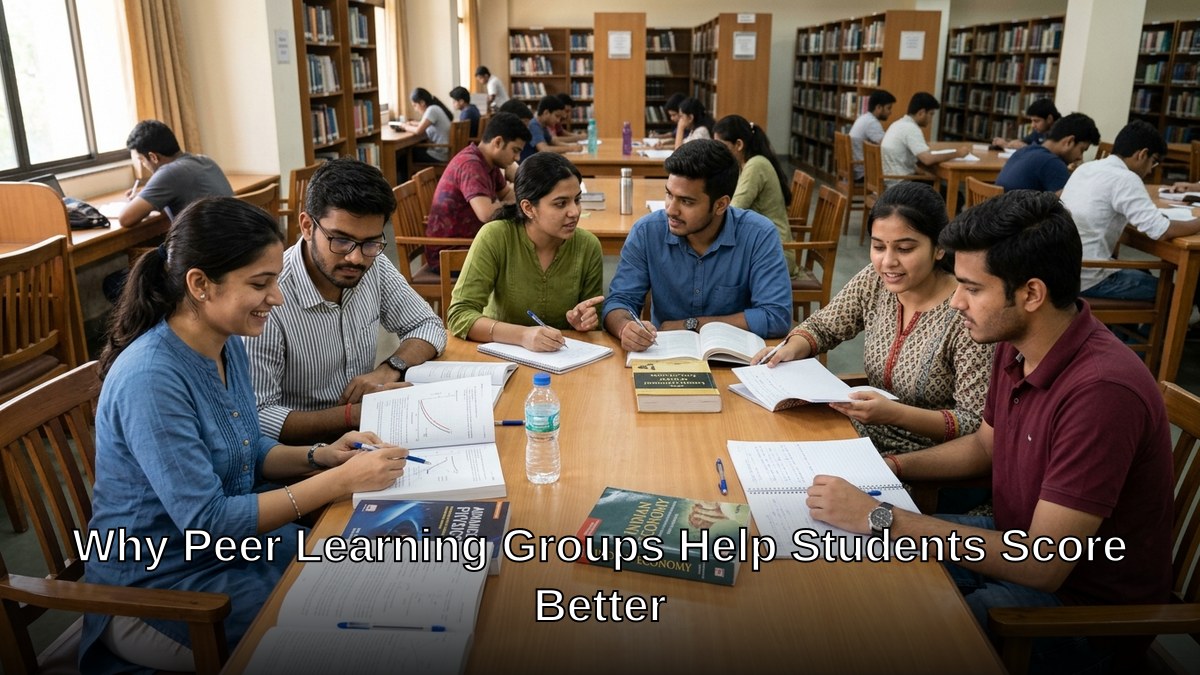
Group Study Benefits That Actually Show Up on Report Cards
When students work in peer learning groups, three things happen simultaneously:
- Concept retention jumps. When your child explains a maths problem to a classmate, they cement their own understanding. The act of teaching is the best form of learning.
- Confidence builds faster. A shy student who won’t raise their hand in class will speak up in a small group. They ask questions. They participate. Their anxiety drops.
- Study time becomes efficient. Instead of 3 hours of solo grinding with diminishing returns, 90 minutes in a peer learning group covers more ground because the energy is collaborative, not isolating.
Research on collaborative learning research shows that students in structured groups score 15-25% higher on assessments compared to solo learners. Not because they’re smarter. Because they’re learning together.
In India, we’ve relied on tuition culture for decades. One teacher, one student, one-way knowledge transfer. But that model is breaking. Parents are exhausted. Kids are burnt out. Teachers are overwhelmed. Peer learning groups solve this by distributing the cognitive load. Everyone learns from everyone.
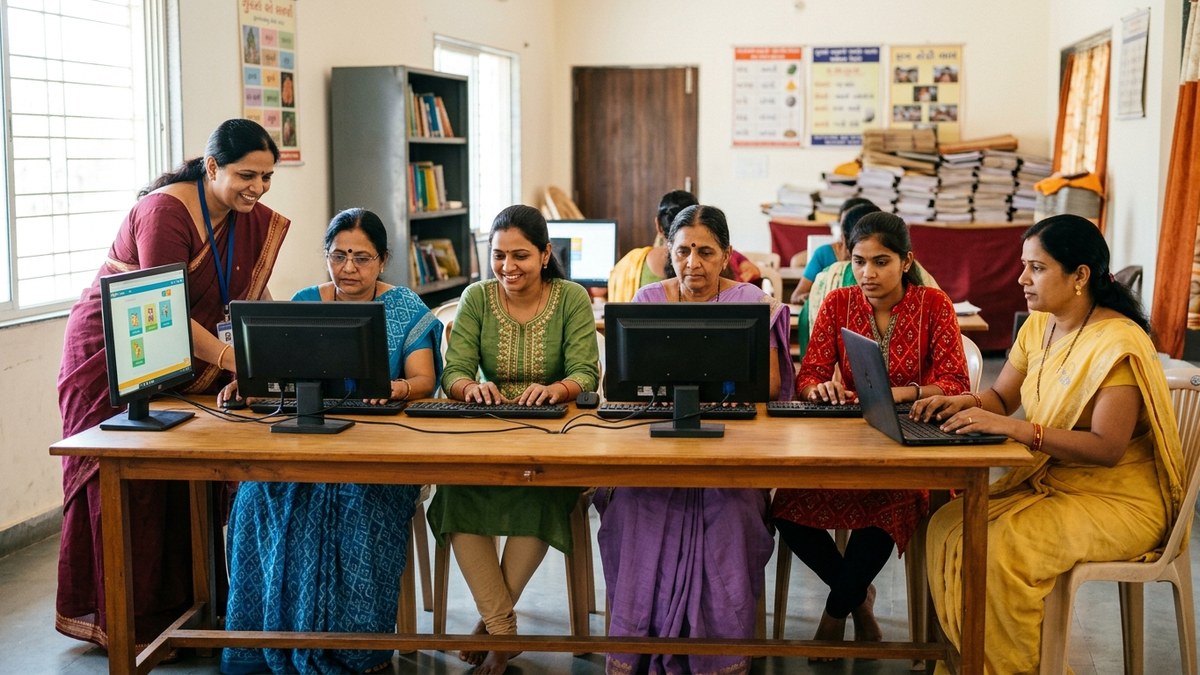
How to Set Up Peer Learning Groups That Actually Deliver Results
You don’t need a fancy setup. You need structure. Here’s what works:
- Group size matters. 4-6 students, not more. Larger groups turn into social hangouts.
- Same level students. Mix abilities slightly, but not wildly. A class 10 student shouldn’t tutor a class 5 student in a peer group.
- Clear agenda. Each session has one topic. One problem set. One goal. Not “let’s study together.” That’s vague.
- Rotation of roles. One student leads discussion. One tracks time. One summarizes. Roles rotate weekly so everyone develops leadership.
- Accountability check-in. A trained educator (or parent) observes occasionally. Not to control, but to ensure the group stays focused.
This is where personalized learning paths intersect with group dynamics. Each student has their own gaps. But they work through them together. It’s not one-size-fits-all. It’s structured collaboration.
Many tuition teachers and edupreneurs are now running peer learning groups from community spaces. Some from homes. Some from dedicated learning centres. The infrastructure doesn’t matter. The methodology does.
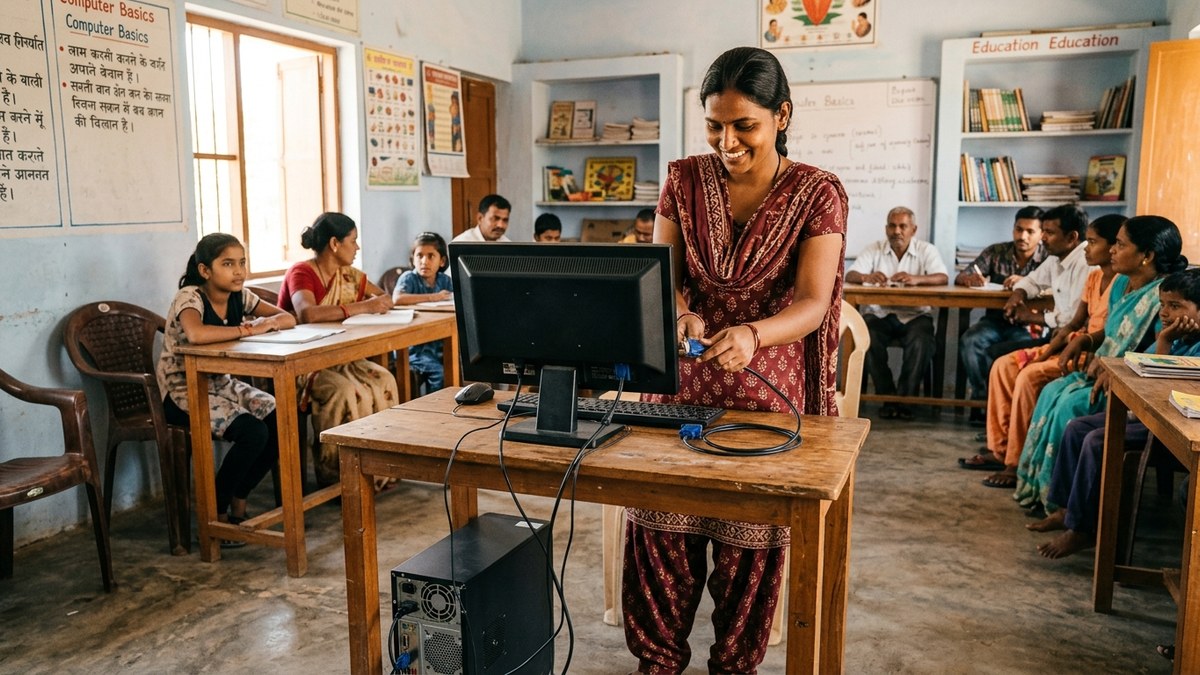
The Technology That Makes Peer Learning Groups Scale
Here’s the catch: running peer learning groups requires basic infrastructure. You need a space. You need devices. You need internet. Most homemakers and senior citizens thinking of starting a learning pod hesitate here. The cost feels prohibitive.
It isn’t. Not anymore.
With APNA PC, you get everything needed for Rs.30,000. A complete bundle. Mini PC with i3 7th Gen processor, 8GB RAM, 128GB SSD. Monitor, keyboard, mouse, webcam, headset. 3-year warranty. Installation included. That’s your entire digital infrastructure for peer learning groups in a POD (Point of Digital Learning).
One device. Multiple students. Shared learning. You can run sessions with DIKSHA digital learning platform for content, or any standard curriculum material. The device handles it all. No lag. No crashes. No excuses.
A homemaker in Bangalore. A retired teacher in Delhi. An ambitious tuition educator in Pune. All of them can now run structured peer learning groups. Not with expensive setups. With APNA PC and a clear methodology.
Why Schools Don’t Do This (But You Should)
Schools are locked into batch teaching. 40-50 kids in a classroom. One teacher. Peer learning groups are impossible at scale in that model. But in a home-based POD? In a community learning centre? You control the group size. You control the structure. You control the outcomes.
Parents see results faster. Kids enjoy learning more. Teachers (or you, as the facilitator) experience less burnout because the responsibility is shared among students.
The barrier isn’t pedagogical anymore. It’s not about whether peer learning works. It works. Extensively documented. The barrier was always infrastructure and methodology. Both are solved now.
Peer learning groups help students score better because they address the real problem: isolation breeds confusion. Collaboration breeds clarity. Your child doesn’t need more study hours. They need smarter study hours. With peers who push them. With structure that holds them accountable. With a trained educator guiding the process.
Ready to start? You already know what works. You already know your community needs this. The only question is: when do you begin?