
Your Community Doesn’t Need Permission to Go Digital
Here is the truth: waiting for government programs or corporate charity to bring digital literacy to your neighborhood is a losing strategy. Thousands of Indian communities are stuck in the analog age not because resources don’t exist, but because local leaders haven’t taken ownership. A digital literacy program in your community can start this month. It requires three things: one trained educator, basic hardware, and the decision to begin.
Let us be honest. Most people do not realise that digital literacy is now a survival skill, not a luxury. Children who cannot use a computer fall behind in school. Adults who cannot navigate online banking lose money to fraud. Seniors who cannot video call their families feel isolated. Your community is losing productivity, safety, and connection every single day the digital divide grows wider.
The gap between digital haves and have-nots in India is real and widening. The Digital India initiative has made progress, but rural and semi-urban areas still lag. This is where you come in. Whether you are a teacher, social worker, NGO leader, or community activist, you can build a digital literacy program that actually works for your people.
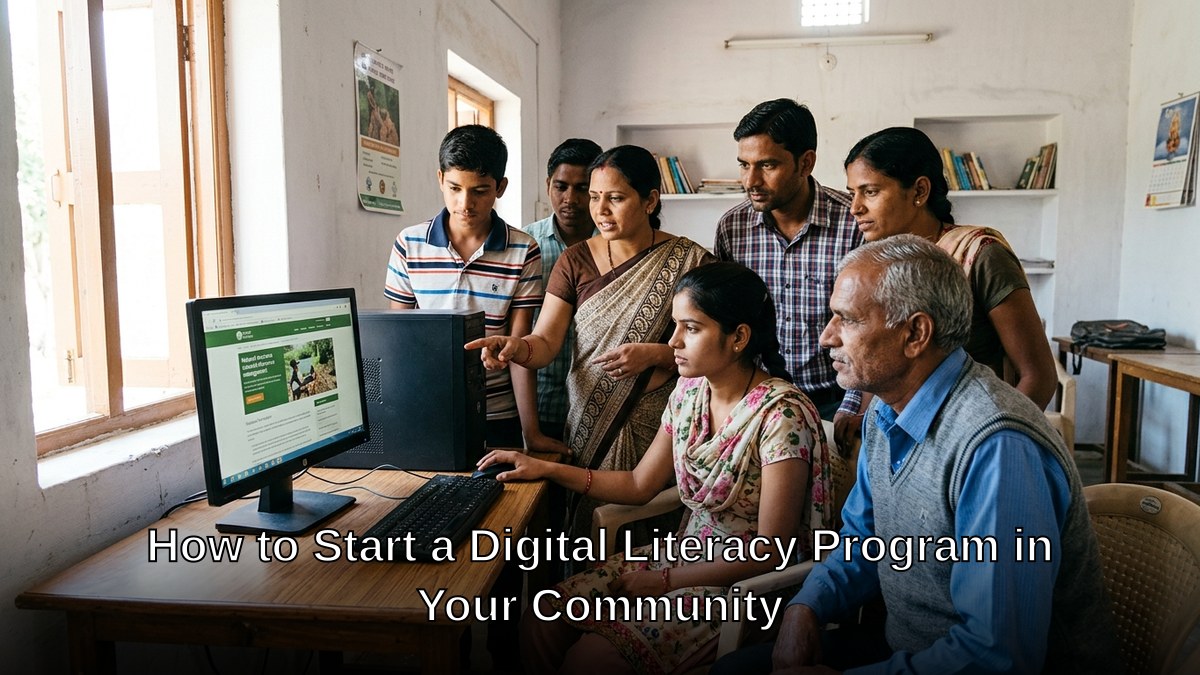
Step 1: Define Your Learner Group and Their Real Needs
Do not start with vague goals like “teach digital skills.” Start specific. Are you targeting school children? Working adults? Senior citizens? Shopkeepers who need online ordering systems? Mothers who want to earn from home? Each group needs different content and pacing.
Spend two weeks talking to people in your community. Ask them what digital tasks frustrate them. What opportunities do they miss because they lack skills? This is not wasted time. This is market research. Your program will fail if it teaches what people do not need.
- School children often need coding basics and online safety
- Working adults need job-specific digital tools
- Small business owners need e-commerce and accounting software
- Homemakers need communication platforms and online income skills
Step 2: Set Up Your Point of Digital Learning (POD)
You do not need a fancy computer lab. A POD is simply a dedicated space where people come to learn digital skills from a trained educator. It can be your home, a community center, a school after hours, or a rented room. What matters is consistency and quality.
The space needs basic infrastructure: a computer with internet, a projector or large screen, proper seating, and good lighting. This is where APNA PC becomes your solution. One complete bundle gives you everything needed to start a POD immediately. Rs.30,000 gets you a Mini PC with i3 processor, 8GB RAM, 128GB SSD, monitor, keyboard, mouse, webcam, headset, education software, 3-year warranty, and installation. No hidden costs. No waiting for approval from anyone.
Get APNA PC bundle and launch your POD today.
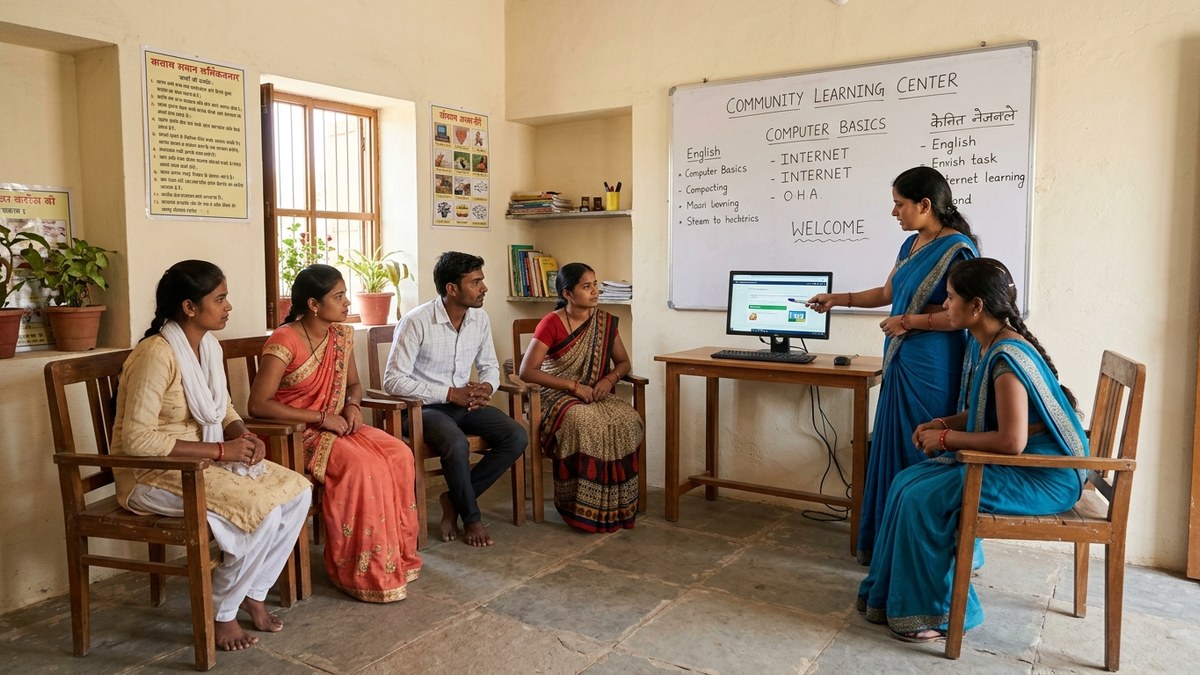
Step 3: Train Your Educator (That Could Be You)
Here is what most people do not realise: you do not need a computer science degree to teach digital literacy. You need patience, basic competence, and the ability to explain things simply. The educator is the heart of your program.
If you are the educator, start learning now. Take online courses on platforms that teach digital literacy skills for students and adults. Learn Microsoft Office, Google Workspace, online safety, email, video calling, and basic troubleshooting. Then practice teaching these skills to friends and family before your first real class.
If you are recruiting an educator, look for someone from your community who has basic computer skills and genuine interest in teaching. They do not need perfection. They need reliability and empathy.
Step 4: Create Your Curriculum and Pricing
Do not copy someone else’s program. Build one that matches your community’s needs and your resources. Start with fundamentals: computer basics, internet navigation, email, online safety, and one practical skill your community actually needs.
Price your courses affordably but not free. Free programs fail because people do not value them. Charge Rs.500-2,000 per person for a 4-week course. This money covers your electricity, internet, and educator stipend. It also makes learners serious about attending.
Consider essential digital skills that have immediate payoff: online banking, e-commerce, video communication, document creation. People learn fastest when they see real benefit within days, not months.
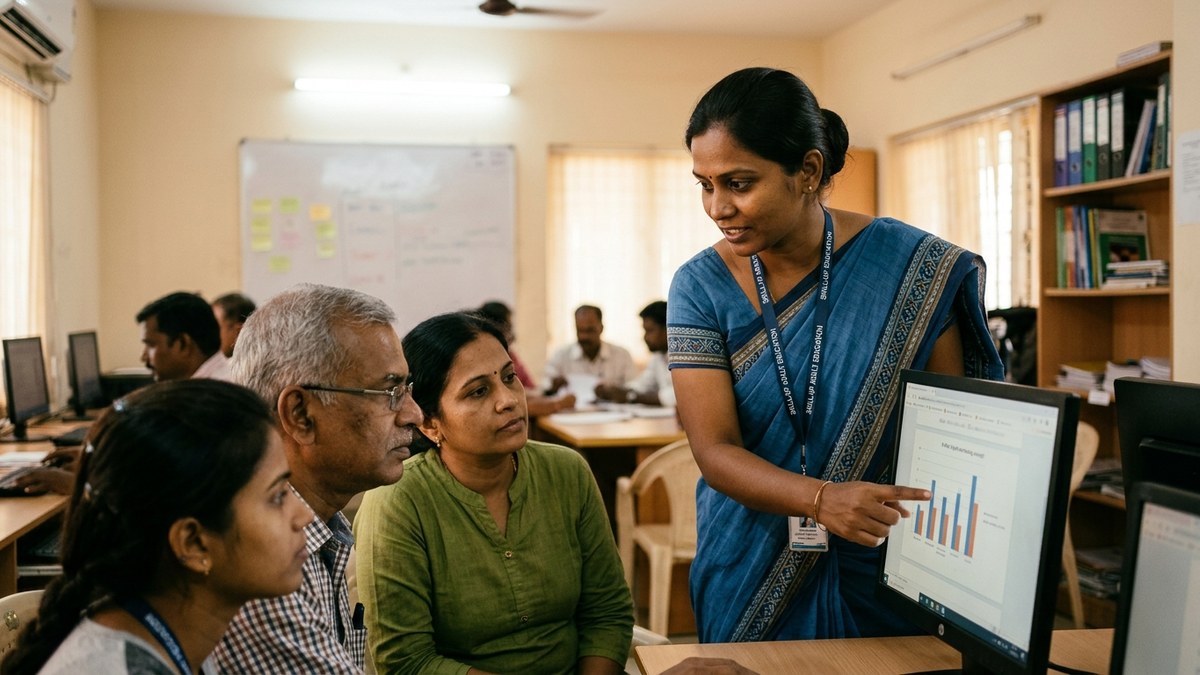
Step 5: Launch and Iterate
Do not wait for perfect conditions. Launch with your first batch of 10-15 learners. Make mistakes. Fix them. Your program will improve with every batch.
Track three metrics: attendance rate, completion rate, and learner feedback. If attendance drops below 70%, your timing or content needs adjustment. If learners cannot complete assignments, your pacing is too fast. Listen and adapt.
Most people do not realise that a successful digital literacy program creates its own momentum. Learners tell their families. Families enroll. Your waiting list grows. Within 6 months, you could be running multiple batches and training additional educators.
The Real Opportunity
Starting a digital literacy program is not charity. It is opportunity creation. You are building skills that lead to jobs, income, safety, and dignity. You are closing the digital divide one person at a time in your own community. You are proving that change does not wait for permission from Delhi or Silicon Valley. It starts with you.
The hardware is ready. The need is urgent. Your community is waiting.