
You Don’t Need Experience to Start a Home Tuition Business in India
Here’s the truth: thousands of Indian homemakers, retired professionals, and first-time educators are launching successful tuition businesses without any formal teaching background. They’re earning between Rs.15,000 to Rs.50,000 monthly by simply understanding one core principle: parents don’t hire teachers, they hire solutions to their children’s problems.
The home tuition business in India is booming. With 40% of Indian families now preferring personalized learning over crowded classrooms, the demand for home tuition teachers has never been higher. But most people don’t realise that experience in a classroom means nothing if you can’t connect with a single student in their living room.
Let’s be honest: you’re reading this because you want to know if you can actually do this. The answer is yes. But not without understanding what it really takes.
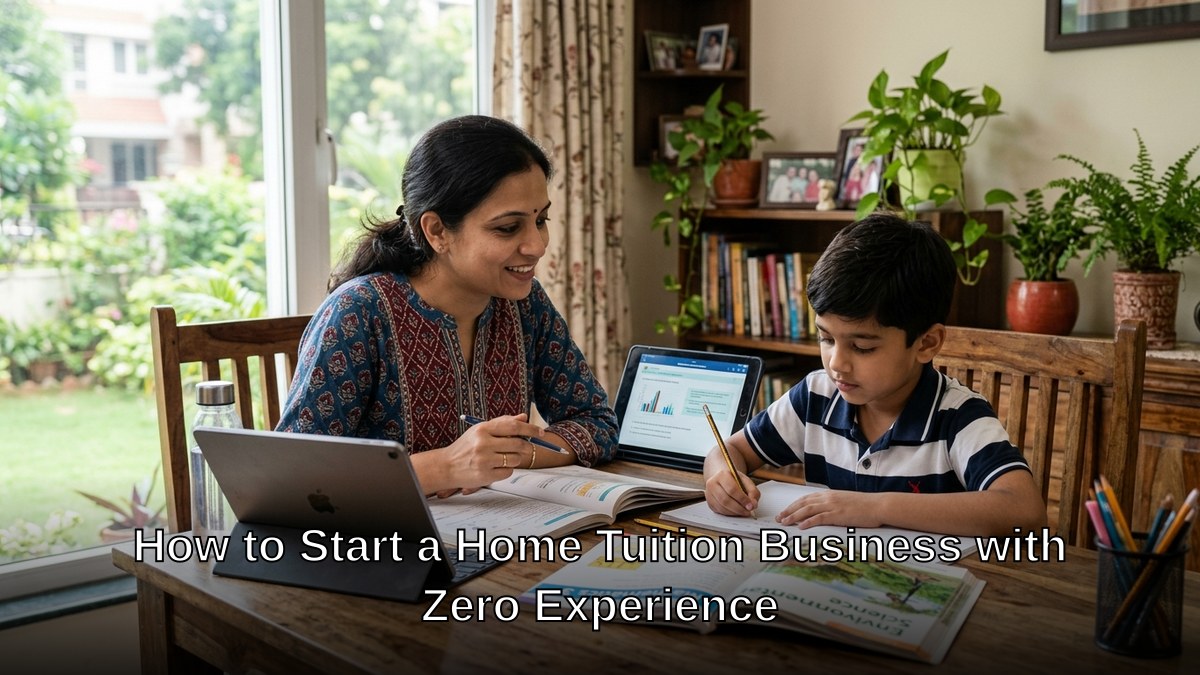
The Three Non-Negotiable Steps to Launch Your Home Tuition Business
Step 1: Choose Your Niche Before Anything Else
Don’t try to teach “everything to everyone.” This kills 90% of new tuition teachers. Instead, pick one specific thing. Mathematics for Class 10 boards. English conversation for working professionals. Science for Class 6-8. Coding for kids. Piano lessons. The narrower your focus, the easier it is to market yourself and charge premium rates.
Why? Because parents searching for help are desperate. They don’t want a generalist. They want someone who specializes in exactly what their child needs.
Step 2: Get Your Basic Setup Right (Without Breaking the Bank)
Most new tutors waste money on fancy equipment they don’t need. Here’s what you actually need:
- A quiet space in your home (even a corner works)
- A reliable internet connection
- A basic computer or laptop
- A notebook and pen for planning
If you’re planning to teach online from home, you’ll need something more robust. This is where APNA PC changes the game. At just Rs.30,000, you get a complete bundle: education software pre-loaded, a Mini PC with i3 7th Gen processor, 8GB RAM, 128GB SSD, monitor, keyboard, mouse, webcam, headset, plus 3 years warranty and professional installation. No more worrying about your laptop crashing mid-class or struggling with poor video quality. This is the setup that works.
Step 3: Start With Five Students, Not Fifty
Your first month matters more than you think. Don’t chase every student. Take five. Get exceptional results with those five. Let them talk about you. Word of mouth is your best marketing tool, and it’s free.
Most people don’t realise that five excellent students generate more referrals than twenty mediocre ones.
The Real Income Potential (Without the Hype)
Your tuition teacher income depends entirely on three factors: your subject, your location, and your delivery method.
- Science/Math tuition in metros: Rs.300-500 per hour
- English/Languages in metros: Rs.200-400 per hour
- Specialized skills (coding, music): Rs.400-800 per hour
- Small towns and villages: Rs.100-250 per hour
If you take just 15 hours of classes weekly at Rs.300/hour, you’re earning Rs.4,500 weekly or roughly Rs.18,000 monthly. Scale this to 25 hours, and you’re at Rs.30,000. Add a second batch (morning and evening), and you’re touching Rs.50,000+.
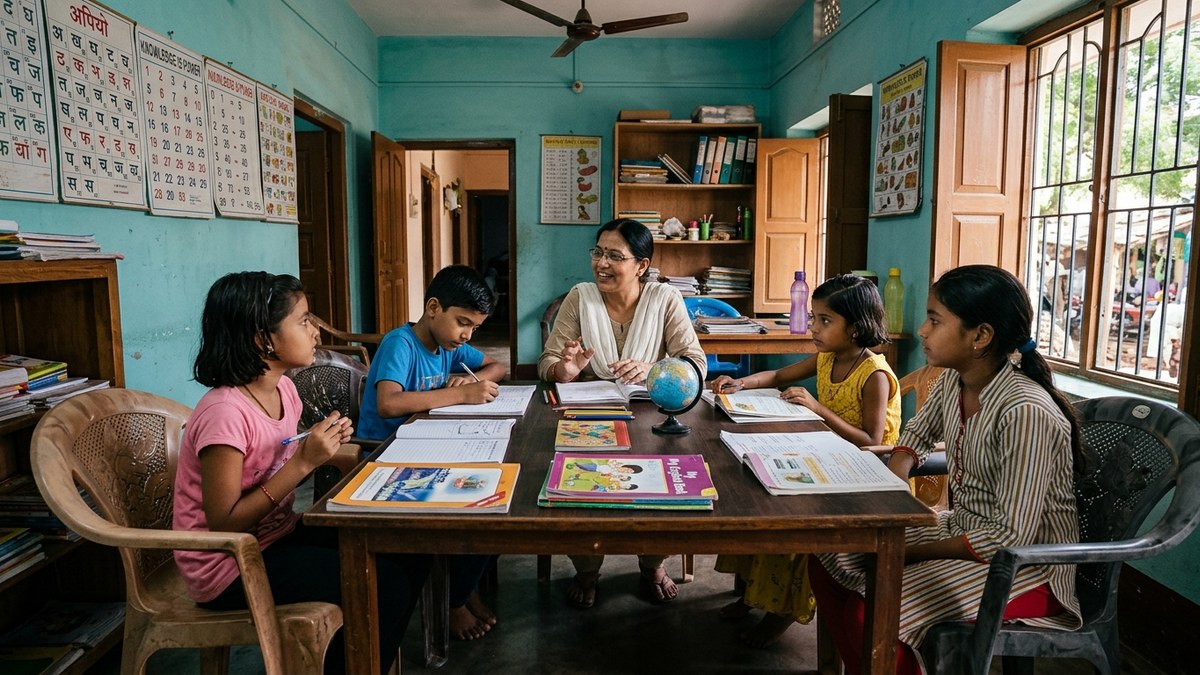
This isn’t theory. Thousands of tutors across India are doing this right now.
The Digital Advantage: Why You Need to Go Online
Here’s where most home tutors make a critical mistake: they stay completely offline. They rely on word of mouth only. This limits them to their immediate neighborhood.
Going online doesn’t mean you need to teach online exclusively. It means you should be visible online. Create a simple profile on the DIKSHA digital learning platform. Post about your teaching methods. Share tips related to your subject. Let parents find you.
If you want to start a home tuition centre, you can blend both: in-person classes during peak hours, online sessions during off-peak times. This is called a POD (Point of Digital Learning), and it’s the future of tutoring in India.
A POD is simply a home or community learning centre run by a trained educator. You’re not running a big institution. You’re creating a personalized learning space. Parents love this because it feels safe, familiar, and results-driven.
The Uncomfortable Truth About Experience
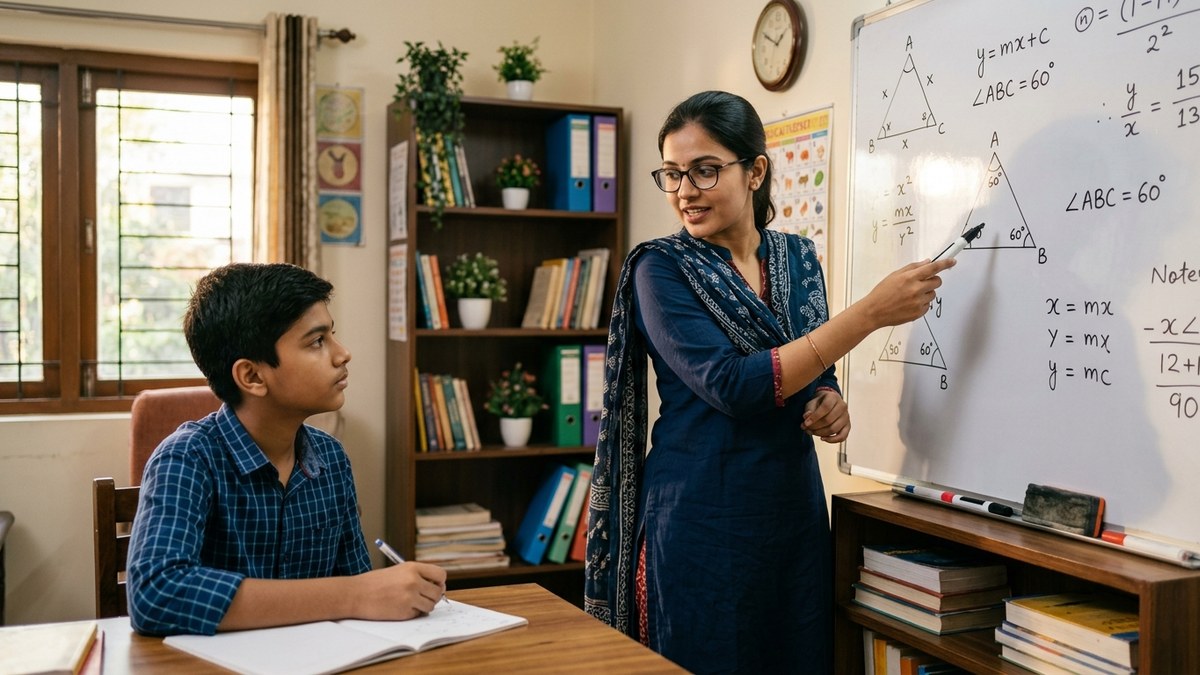
Most experienced teachers actually struggle when they start tutoring because they teach like they’re in a classroom. They lecture. They assign homework. They test. But one-on-one tutoring is completely different. It’s about understanding why a specific child is struggling with a specific concept, then explaining it in a way that clicks for them.
This skill has nothing to do with experience and everything to do with patience, curiosity, and willingness to try different approaches.
You can learn this in two weeks. You’ll master it in two months. You’ll own it in six months.
Your First Action This Week
Don’t wait for the “perfect time” or until you feel “ready.” Here’s what to do right now:
- Decide your subject and student age group
- Tell five people you know that you’re available for tuition
- Set a rate based on your market research
- Invest in proper equipment (APNA PC is the smart choice here)
- Take your first student
That’s it. You’re in business.
The home tuition business in India rewards action, not perfection. Start now. Learn as you go. Adjust based on feedback. This is how successful tutors do it.
Ready to take this seriously? Learn how to start a Teach to Earn Learning POD and scale your tutoring business into something bigger.
Your next student is waiting. Go find them.