
The Microschool Revolution is Already Here. Are You Missing It?
Your child sits in a classroom with 45 other kids. The teacher cannot see them. They are invisible. This is not education. This is warehousing.
A microschool is different. It is small. It is personal. It works. And right now, educators across India are building them in their communities and earning real money while fixing real problems.
Here is the truth: the traditional school system is broken for millions of Indian families. Parents know it. Teachers know it. Yet we keep pretending that bigger classrooms and more standardised tests will somehow fix things. They will not.
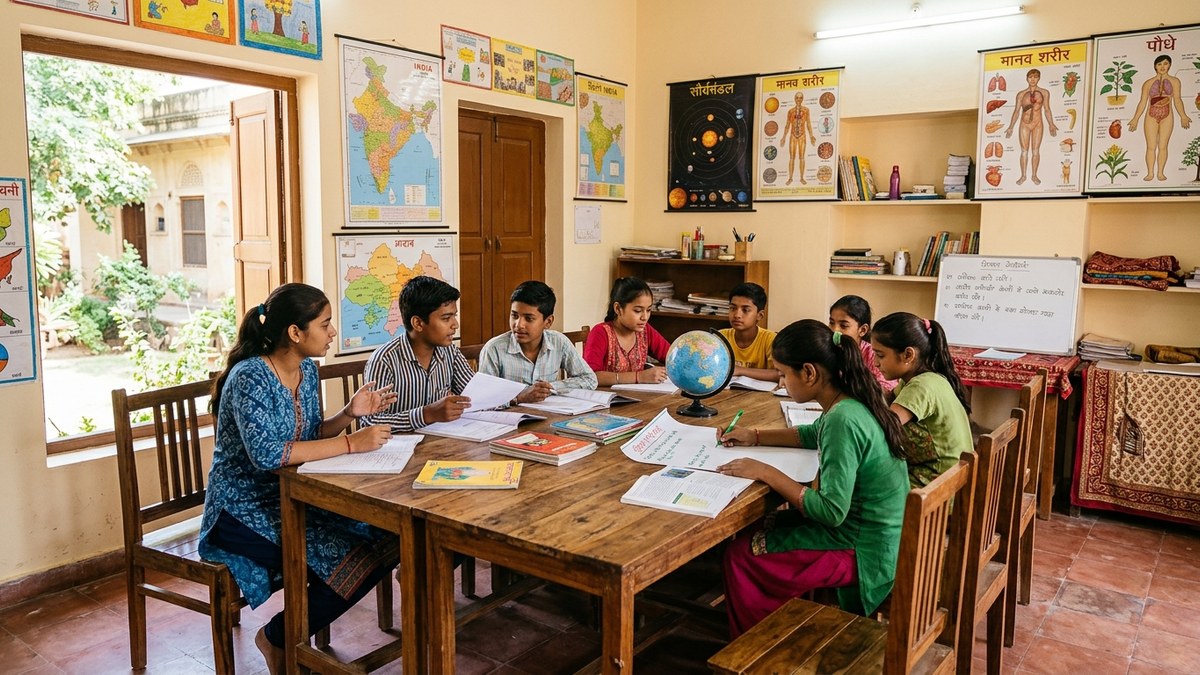
A microschool is a learning community. Usually 8 to 15 students. One trained educator. Real relationships. Real learning. You can run one from your home. You can run one from a community centre. You can run one from a small rented space. The model works because it respects how humans actually learn.
Key Takeaways
- To start a microschool you run a small learning community of about 8 to 15 students with one trained educator, usually from your home or a small rented space.
- The model works financially because overheads are low; a typical fee is Rs 2,000 to Rs 5,000 per student per month depending on location and curriculum.
- Begin from a real community need: talk to at least 20 families, listen to their specific problem, and design the microschool around that.
- The space needs good light, basic furniture and a bathroom, not a fancy building, and the curriculum should be personalised rather than copied from a school.
- Simple digital infrastructure is needed from day one for attendance, learning materials, parent updates and occasional online classes, and a reliable computer handles this better than a phone.
Why Start a Microschool in Your Community?
Most people do not realise that education entrepreneurship is one of the fastest growing sectors in India right now. Parents are actively looking for alternatives. They are tired of rote learning. They want their children to think. To create. To grow as humans, not just exam machines.
When you start a microschool, you are not just building a business. You are building trust. You are solving a real problem that families in your community face every single day.
The financial model is straightforward. Charge Rs.2,000 to Rs.5,000 per student per month depending on your location and curriculum. With 10 students, that is Rs.20,000 to Rs.50,000 per month. Your costs are low because you are not running a sprawling institution. You are running a tight, focused learning pod.
Read more about how microschools are transforming education across India and why they are the future.
The Four Steps to Launch Your Microschool
Step 1: Identify Your Community Need
Do not start a microschool because it sounds trendy. Start it because you see a gap. Are there working parents who need after-school learning support? Are there kids struggling with traditional school? Are there families who want alternative education? Talk to at least 20 families in your area. Listen to their problems. Your microschool solves their specific problem, not a generic one.
Step 2: Get Your Space Ready
You need a quiet, safe space. It can be your home. It can be a small rented room. It needs good lighting, basic furniture, and a bathroom. That is it. You do not need a fancy building. You need a welcoming environment where learning happens.
Step 3: Build Your Curriculum and Teaching Method
This is where most educators stumble. You cannot just copy your old school curriculum. A microschool works best when it is personalised. Some microschools focus on STEM. Some focus on languages. Some focus on arts and critical thinking. Some blend academics with life skills. Choose what aligns with your strengths and your community needs.
Step 4: Set Up Your Digital Infrastructure
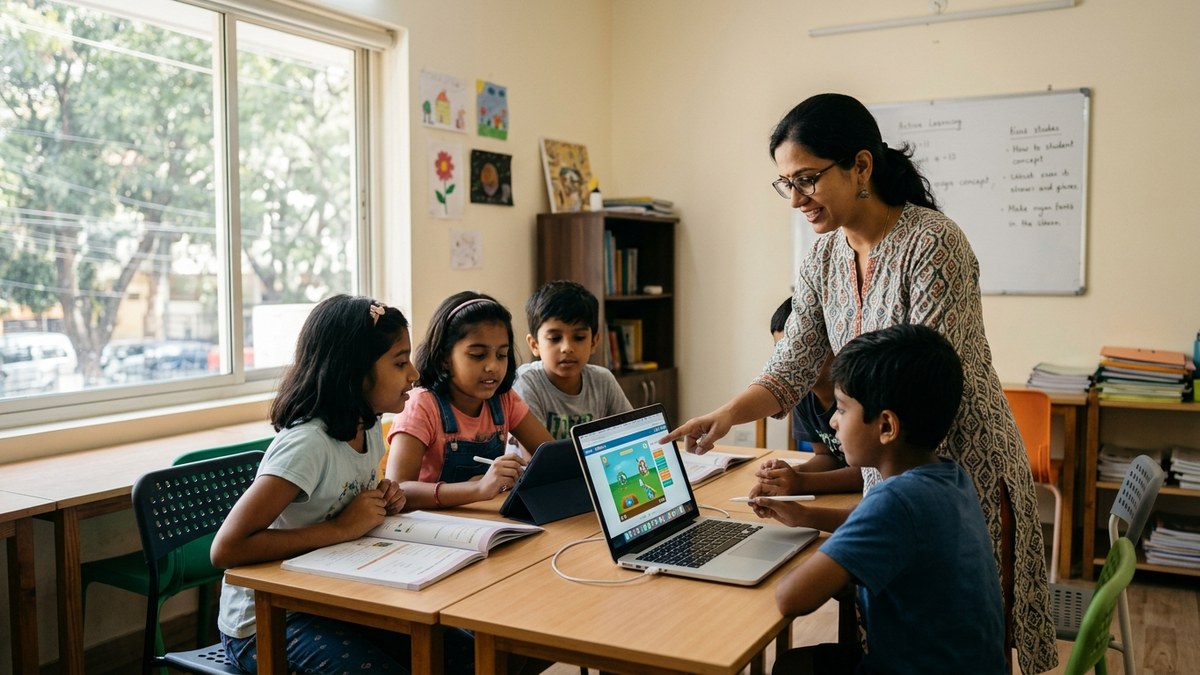
Here is where most educators make a mistake. They think they need expensive software and complicated systems. They do not. You need one thing: reliable technology that works.
This is where APNA PC comes in. For Rs.30,000, you get a complete bundle. A Mini PC with i3 7th Gen processor, 8GB RAM, 128GB SSD. Plus monitor, keyboard, mouse, webcam, and headset. Plus education software. Plus 3 years warranty. Plus installation support.
Why does this matter? Because your microschool needs to track attendance, manage learning materials, communicate with parents, and run online classes when needed. APNA PC gives you all of this. One-time investment. Zero headaches.
Learn about how to earn Rs.50,000 running a microschool and the realistic financial projections.
The Digital Literacy Advantage
Let us be honest: digital skills are not optional anymore. They are survival skills. Your microschool students need to understand technology. Not as passive consumers. As creators and problem-solvers.
Understanding what digital literacy means is crucial for any modern educator. It is not just about using a computer. It is about critical thinking, online safety, and using technology as a tool for learning.
The Indian government has also launched the Digital India initiative to expand digital access across communities. As an educator running a microschool, you are part of this larger movement. You are bringing quality learning and digital skills to your community.
Common Mistakes Microschool Founders Make
Do not overcomplicate your curriculum. Start simple. Iterate based on what you learn.
Do not ignore parent communication. Parents are your partners. Update them weekly on what their child is learning and how they are growing.
Do not cheap out on your learning environment. Your space matters. It shapes how students feel and learn.
Do not avoid technology. Get your systems in place from day one. APNA PC is your solution here.
Do not try to be everything to everyone. Pick your niche. Own it. Become the best microschool for that specific need in your community.
Your Next Step
Starting a microschool is not complicated. It is not expensive. It does not require you to quit your job overnight. You can start small. You can start part-time. You can start with 5 students and grow from there.
What it requires is clarity on why you are doing this and commitment to doing it well.
If you are ready to build a learning pod in your community, we are here to support you. We have the tools. We have the training. We have the community of educators who are already doing this and earning real income.
Start your microschool journey with TeachToEarn today. Join hundreds of educators who are already transforming education in their communities.
Frequently Asked Questions About Start a microschool
What is a microschool?
A microschool is a small learning community, usually 8 to 15 students with one trained educator. It focuses on real relationships and personalised learning and can run from a home, a community centre or a small rented room.
How much can I earn running a microschool?
Fees typically run Rs 2,000 to Rs 5,000 per student per month. With 10 students that is roughly Rs 20,000 to Rs 50,000 per month. Costs stay low because you are not running a large institution.
Do I need a licence or a big building to start a microschool?
You do not need a large building. You need a quiet, safe space with good lighting, basic furniture and a bathroom. Check local rules for small educational setups, but the physical bar to entry is low.
What technology does a microschool need?
Enough to track attendance, manage learning materials, communicate with parents and run online classes when needed. A reliable computer with a monitor, webcam and headset covers this. A shared computer is far more practical than a phone for records and documents.
Can I start a microschool part-time while keeping my job?
Yes. Many educators start small with around 5 students, often part-time or after school hours, and grow as word spreads. You do not have to quit your job overnight to begin.
NITI Aayog and the National Education Policy 2020 both encourage flexible and community-based models of learning alongside the formal school system.