
Study Habits for Board Exams: Your Board Exams Don’t Care About Your Excuses
Here’s the truth: most Indian students don’t fail board exams because they’re not smart enough. They fail because they never learned how to study properly. You can have a 160 IQ and still bomb your CBSE or state board exams if your study habits are broken. The difference between a 65% scorer and a 90% scorer isn’t intelligence. It’s discipline, system, and knowing exactly what works.
Board exams in India are high-stakes. One test determines college options, career paths, and family expectations. The pressure is real. But pressure without a solid study plan just creates panic. Let’s be honest: cramming the night before doesn’t work. Neither does reading the same chapter five times hoping it sticks. You need study habits for board exams that actually stick.
This post breaks down proven techniques that Indian students can implement starting today. Not tomorrow. Today.
Build Your Foundation: The Non-Negotiables
Most people don’t realise that study habits aren’t built in a week. They take 21 to 66 days to form, depending on complexity. Your brain needs repetition and consistency. Here are the fundamentals every board exam student needs:
- Fixed study location: Your brain associates places with activities. Study in the same spot daily. Not your bed. Not in front of the TV. A dedicated desk or table.
- Fixed study time: If you study at 6 PM every day, your brain learns to activate at that time. No negotiations. No “I’ll study when I feel like it.”
- Phone in another room: Not on silent. Not face-down. In another room. Your phone is engineered to be addictive. You cannot willpower your way past that.
- Written notes: Typing or just reading doesn’t engage your memory like writing does. Handwritten notes force your brain to process information.
- Weekly review schedule: Study new material Monday-Thursday. Friday-Saturday is pure revision. Sunday is buffer and light review.
Follow these five rules and you’re already ahead of 70% of students. That’s not an exaggeration. Most students study randomly, whenever they remember, with their phone buzzing next to them.
Effective Study Techniques That Work for Indian Board Exams
Now that you have the foundation, here’s how to study smarter. Exam preparation tips you’ll actually use for your study habits for board exams:
The Feynman Technique: Read a concept. Close the book. Explain it out loud in simple words as if teaching a 10-year-old. If you can’t explain it simply, you don’t understand it. This works for every subject from Mathematics to History.
Active Recall: Don’t just re-read chapters. After reading, close the book and write down everything you remember. Check your answers. This forces your brain to retrieve information, which strengthens memory far better than passive reading.
Spaced Repetition: Review material at increasing intervals. Day 1: Read new topic. Day 3: Revise. Day 7: Revise again. Day 14: Revise again. Your brain locks information into long-term memory this way.
Practice with actual board exam papers: Check the CBSE official guidelines for previous years’ papers. Solve them under timed conditions. This trains your brain for the actual exam format and pressure.
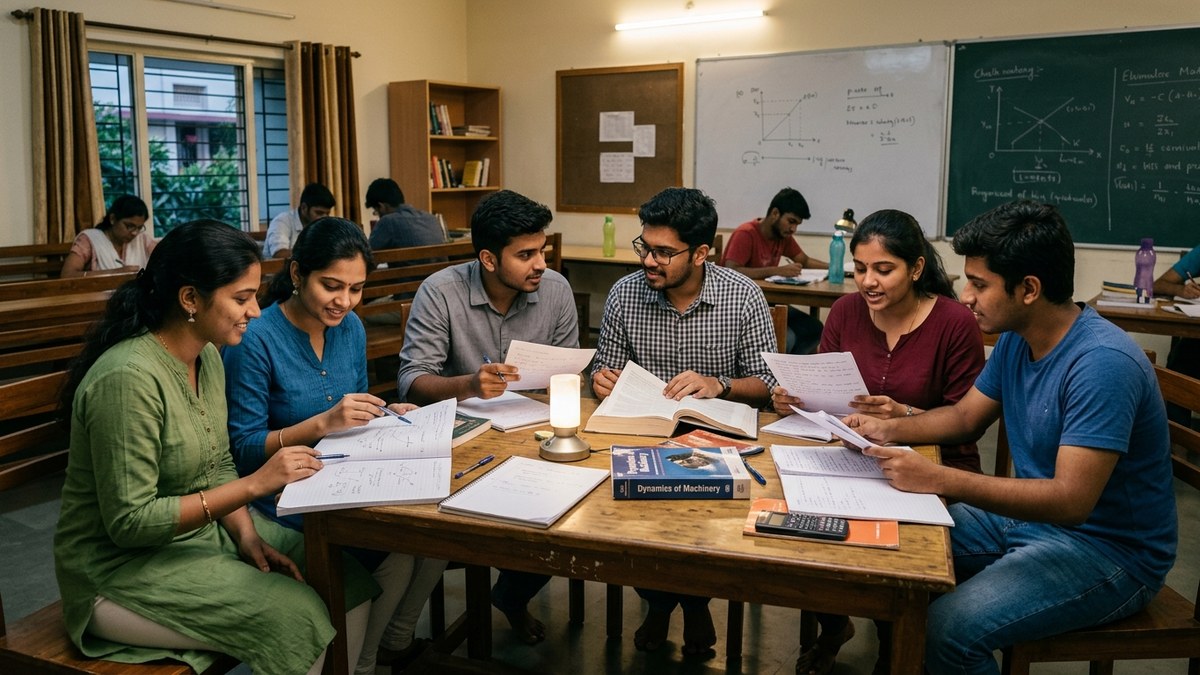
The difference between these techniques and traditional cramming is measurable. You retain 80% of what you actively recall versus 10% of what you passively read. That’s not opinion. That’s cognitive science.
Technology: The Tool That Changes Everything
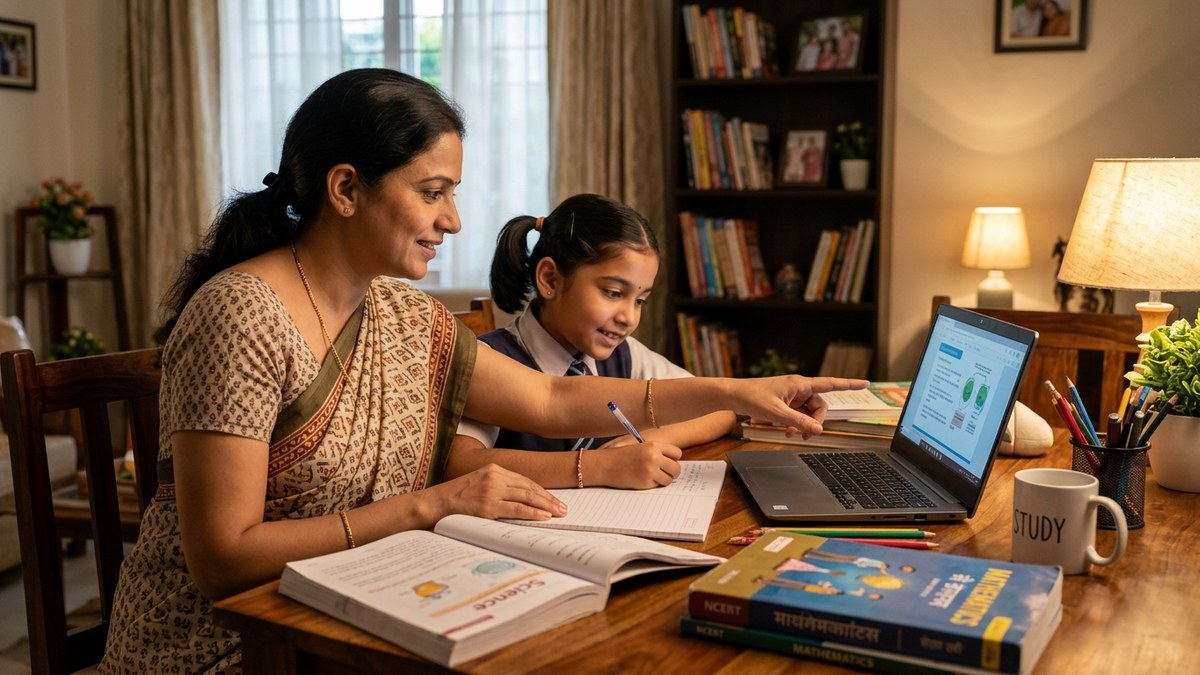
Here’s what most parents don’t understand: having a computer at home isn’t a luxury anymore. It’s essential for exam preparation. Your child needs access to online resources, practice tests, video explanations, and digital notes. Not for distraction. For learning.
If you’re running a Point of Digital Learning (POD) or tutoring centre, you need reliable equipment. If you’re a parent, your student needs a dedicated learning device separate from entertainment devices.
This is where APNA PC comes in. It’s a complete bundle designed specifically for Indian educators and students. You get a Mini PC with i3 7th Gen processor, 8GB RAM, 128GB SSD, monitor, keyboard, mouse, webcam, and headset. Plus 3-year warranty and professional installation. Rs.30,000 for everything. No hidden costs.
Why does this matter for your study habits? Because your learning environment now includes technology. You can access online study materials, join live classes with the best tutors, watch concept videos, and take digital practice tests. All on reliable hardware that won’t crash during exam prep season.
Whether you’re doing competitive exam preparation at home or running a learning centre, your infrastructure matters. A slow, unreliable computer kills focus. A fast, dependable one becomes invisible. You study, not troubleshoot.
Make It Stick: Your 30-Day Challenge
Reading this post means nothing if you don’t act. Here’s your challenge for the next 30 days:
- Day 1-7: Set up your fixed study location and time. No material yet. Just build the habit of showing up.
- Day 8-14: Start active recall. Read, close the book, write what you remember.
- Day 15-21: Introduce spaced repetition. Review material from Day 8-14 on a schedule.
- Day 22-30: Solve one previous board exam paper under timed conditions.
By day 31, you’ll have study habits for board exams that actually work. Your retention will improve. Your stress will decrease. Your scores will follow.
Most students wait for motivation to study. That’s backwards. Build the habit first. Motivation follows action, not the other way around.
If you’re an educator or tutor looking to scale your impact, explore best online teaching tools that pair with proper study infrastructure. Check the India Ministry of Education guidelines for current exam patterns and curriculum updates.
Your board exams are coming. Your study habits will determine your results. Start today. Not tomorrow.