
Priya watched her 10-year-old son Arjun waste yet another summer. Last year, he’d spent weeks glued to screens, playing games and watching videos while she felt helpless. She’d tried enrolling him in tuition classes, but he’d come back exhausted and frustrated every evening. This year, she decided to try something different. She invested in a home computer and introduced him to summer break computer learning for kids. Within weeks, Arjun wasn’t just learning typing and basic coding, he was genuinely excited about it. By the time school started, he’d developed real skills that boosted his confidence in class.
If you’re a parent planning summer vacation learning activities for your child, this story might feel familiar. The good news? You don’t need expensive tuition centers or complicated programs. You just need the right setup and a little guidance to get started.
Why Summer Break Goes to Waste for Most Kids
Summer vacation is supposed to be a break. But for many Indian families, “break” means unlimited screen time, irregular sleep schedules, and zero skill development. Kids consume content all day but don’t learn anything useful for the long run.
The problem isn’t laziness. It’s that parents don’t have a structured alternative that doesn’t feel like school. Traditional tuition centers are rigid, expensive, and add academic pressure during what should be a relaxed period. Kids resist them because they’re tired from the school year and want genuine freedom.
Summer learning loss is real and well-documented. Studies show students forget up to 2-3 months of academic progress during long breaks. Computer skills are becoming non-negotiable for every career path. You’ve got a genuine problem that needs a practical, workable solution.
Why Computer Learning During Holidays Works Better Than Tuition
Computer learning during holidays doesn’t feel like traditional education. There’s no pressure, no grades, no competition with classmates. Your child learns at their own pace, in their own home, during hours that work for your family schedule.
This relaxed environment is exactly what kids need during summer. They’re more curious, more willing to experiment, and more likely to stick with learning when it feels voluntary rather than forced. They can take breaks, rewind videos, and practice without feeling rushed or judged by anyone.
Building skills before the new academic year is a huge advantage. When school resumes, your child will have computer literacy that most peers don’t possess. They’ll feel confident walking into class and know how to use technology productively for assignments and research projects.
A productive summer for students isn’t about cramming more academics into their schedule. It’s about developing practical abilities that serve them for years. Typing, basic coding, digital literacy, and online research are tools your child will use constantly throughout their education and future career.
How Parents Can Set Up Summer Learning at Home
You don’t need fancy equipment or expensive software. A basic computer and quality learning resources is all it takes. The key is making it accessible and genuinely appealing for your child from day one.
Start by creating a dedicated learning space at home. A quiet corner with a desk, chair, and computer works perfectly fine. Make it comfortable and free from distractions like TV and mobile phones. This signals that the space is for focused but relaxed learning.
Choose the right resources carefully. Platforms like DIKSHA digital learning platform and NCERT official resources offer free, quality content aligned with school curricula. YouTube channels teaching kids coding and digital skills are excellent supplements.
For a complete setup, consider APNA PC, an affordable computer for learners. It’s designed for students with educational software, a 3-year warranty, and professional installation included. The complete bundle is ₹30,000, making it accessible for most Indian families.
If you’re unsure where to begin, check out How to Set Up a Home Computer Lab on a Budget. It walks you through every step, from choosing equipment to creating the right learning environment at home.
Set realistic goals for your child. They don’t need to become a programmer in two months. Small, achievable targets work much better. Maybe they learn typing this month and basic coding next month. The goal is progress and genuine interest, not perfection.
Stay involved but not intrusive. Check in regularly, celebrate small wins, and let them explore freely. Your role is to create the opportunity and environment, not to hover over their shoulder constantly.
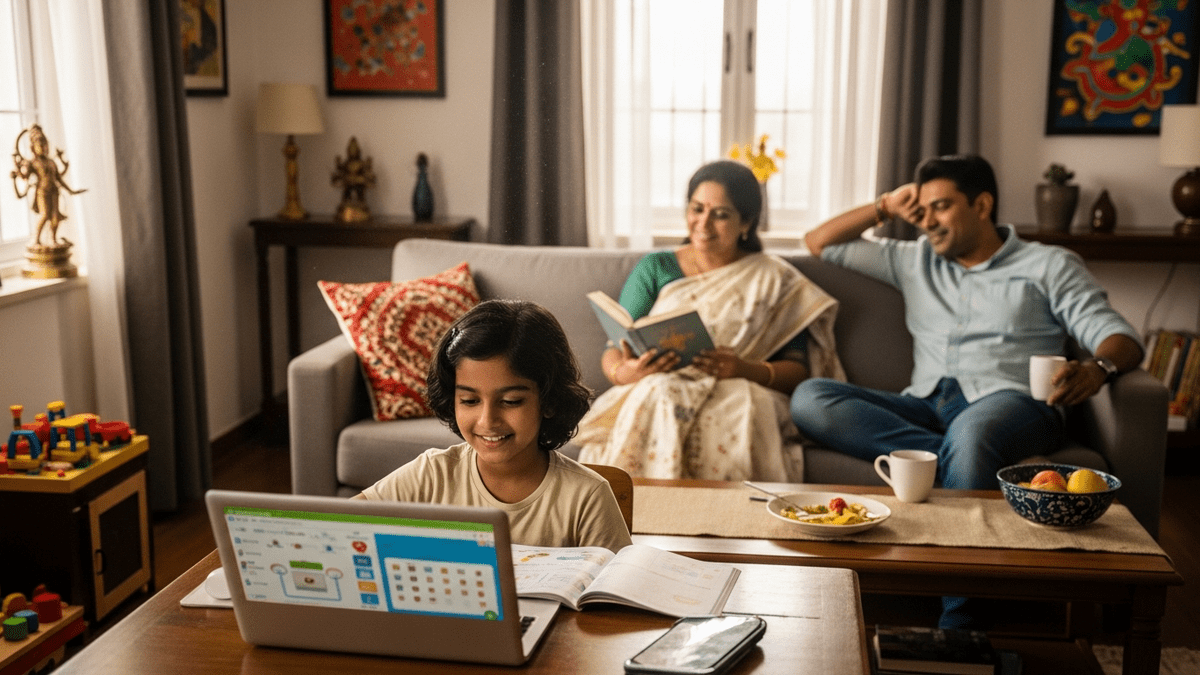
Summer break comes once a year. Summer break computer learning for kids isn’t about adding pressure to vacation. It’s about giving your child a head start, building lasting confidence, and making sure they’re not wasting months that could’ve been used productively.
The question isn’t whether your child should learn computers during summer. It’s whether you can afford not to give them this chance. Explore APNA PC and start planning your child’s productive summer today.