AI education in India is rapidly transforming how students learn and how educators teach, with new tools and courses making artificial intelligence accessible to learners of all ages. The government, private institutions and edupreneurs are investing heavily in AI literacy programmes, creating opportunities for teachers and learning centre operators to upskill and earn. This article covers the latest trends in AI education, the courses and tools available, and how educators can use AI to improve learning outcomes in their communities.
What is AI education and why does it matter in India?
AI education refers to teaching students and professionals how artificial intelligence works, how to use AI tools responsibly, and how to build basic AI solutions. In India, AI education is no longer just for computer science graduates, it is becoming essential for all learners because AI is reshaping jobs, healthcare, agriculture and governance across the country.
The Indian government recognizes this shift. Government of India expands AI-driven skilling programmes to prepare citizens for an AI-powered economy. Schools, colleges and community learning centres are adding AI modules to their curriculum to ensure students are job-ready. For educators and edupreneurs, this demand creates a real opportunity to teach AI courses and attract learners to their PODs or home-based learning centres.
What are the current trends in AI education across India?
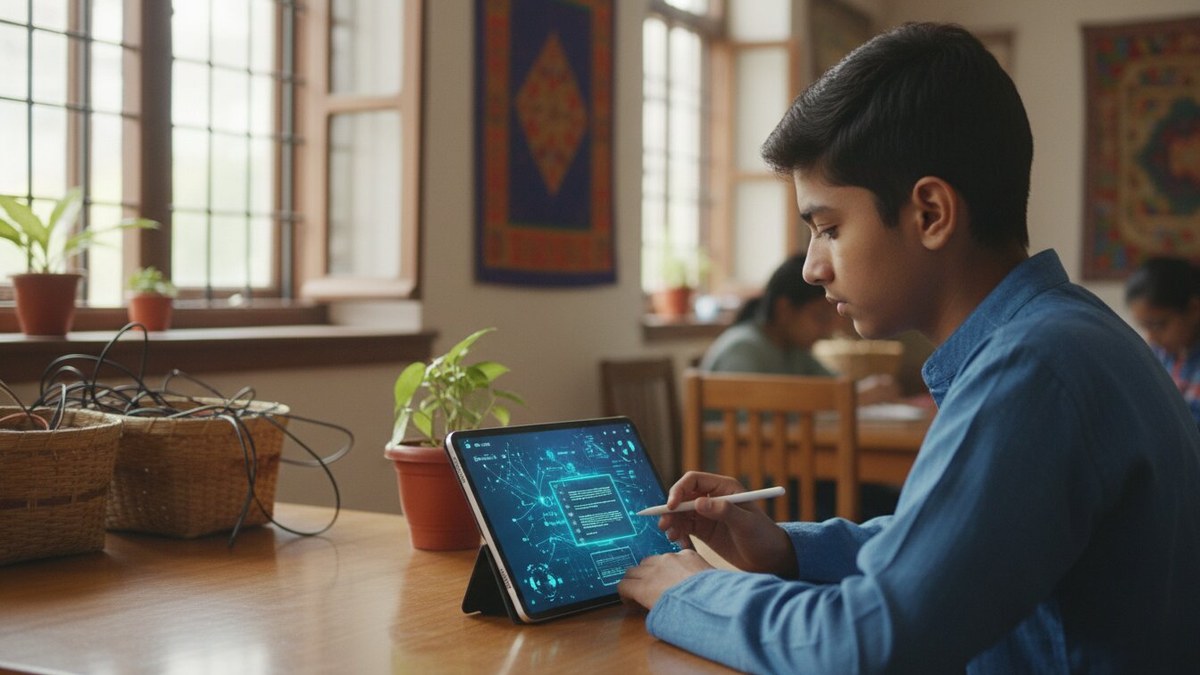
Several trends are shaping AI education in India right now. First, AI literacy is moving into schools earlier than ever, students in Classes 8 and 9 are learning coding and basic machine learning concepts. Second, AI in education and learning resources are becoming freely available through government platforms, making it easier for educators to access lesson plans and training materials.
Third, AI tools for personalised learning are gaining traction. Teachers now use AI to identify which students need extra help and adapt lessons to their pace. Fourth, skill-based AI courses for adults, especially for career switchers and aspiring edupreneurs, are growing faster than traditional degree programmes. These short courses teach practical skills like prompt engineering, data basics and AI ethics in weeks, not years.
Fifth, AI is being applied to India’s real challenges: agriculture (crop prediction), healthcare (diagnostic support) and education (accessibility for students with disabilities). This local focus makes AI education feel relevant and not just a Western import.
Which AI education courses are popular in India?
Educators have many options to choose from when deciding which AI courses to teach or take:
- School-level AI courses: Scratch-based coding, visual AI blocks (no coding required), and robotics. These suit students aged 8 to 16 and build foundational logic and problem-solving skills.
- Intermediate courses: Python for AI, introduction to machine learning, and data analysis. These are for Class 10 students and above, and for adults looking to upskill.
- Specialised courses: Chatbot building, computer vision basics, natural language processing and AI ethics. These appeal to serious learners and professionals.
- Educator training: Courses that teach teachers how to teach AI, how to use AI tools in the classroom and how to run AI learning programmes. These are critical for educators who want to start their own PODs or add AI to their existing tuition centres.
Many of these courses are available online through platforms run by universities, NGOs and private companies. Some are free or heavily subsidised for students from low-income backgrounds.
What free or low-cost AI tools can teachers use?
You don’t need expensive software to teach AI. Many free and low-cost tools are available to educators in India:
- Scratch: A visual coding platform where students drag and drop blocks to create games, animations and stories. It teaches logic without syntax errors getting in the way.
- MIT App Inventor: Students build mobile apps using visual blocks, learning how apps work and how to solve real problems with code.
- TensorFlow Lite: A simplified version of Google’s machine learning framework, designed for beginners and educators.
- Teachable Machine: A free web tool where students train AI models by uploading images, sounds or poses, no coding needed. Perfect for understanding how AI learns.
- OpenAI’s ChatGPT or Google’s Gemini: Free versions help students understand how language models work and how to use AI responsibly in their studies and projects.
- LibreOffice and LibreCAD: Open-source tools pre-loaded on affordable computers, useful for teaching data analysis and design alongside AI concepts.
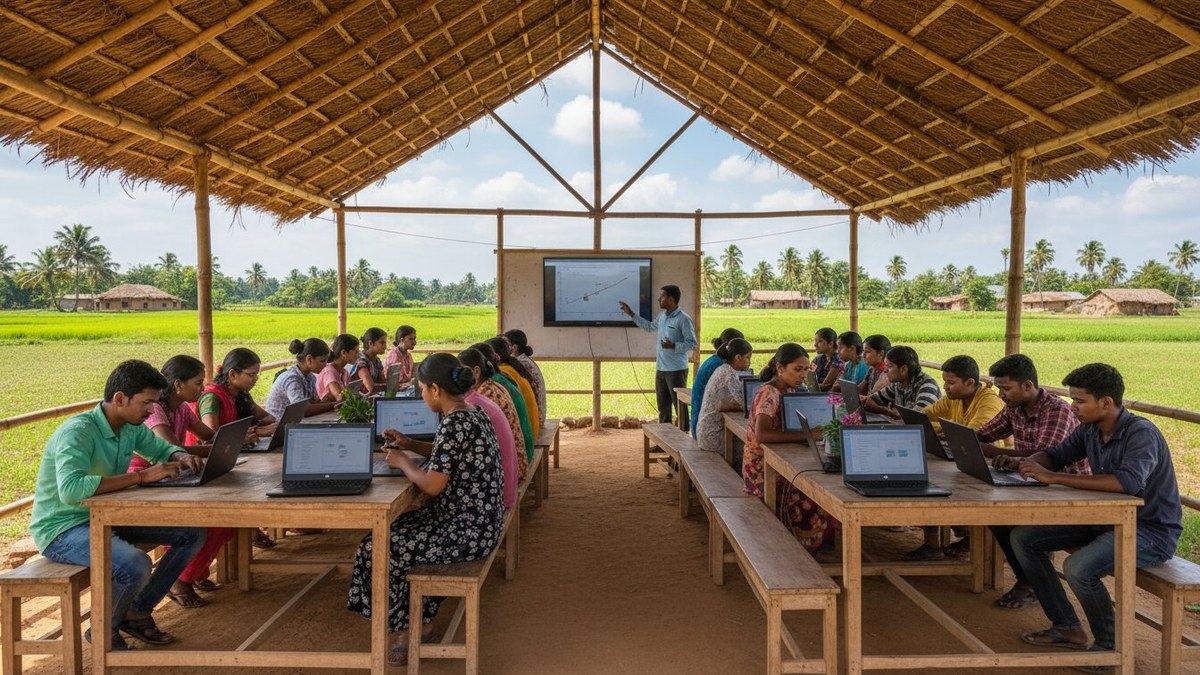
All of these run on basic computers, so you don’t need a high-end setup to start teaching AI education courses in your home or community centre.
How can educators add AI to their teaching?
If you are a tuition teacher, homemaker or aspiring edupreneurs running a POD, here are practical steps to integrate AI education into your learning centre:
- Start small: Pick one tool like Scratch or Teachable Machine and learn it yourself first. Spend a few weeks exploring, building a simple project and understanding how it works.
- Assess your learners: Know your students’ age, prior coding experience and learning goals. AI for a Class 5 student looks very different from AI for a Class 12 student or an adult.
- Design a short course: Create a 4 to 8 week module with clear outcomes. For example: “Students will build a chatbot using Scratch” or “Learners will train an image classifier using Teachable Machine.”
- Use real-world problems: Connect AI to issues your students care about, local problems that become student projects are more engaging than abstract examples.
- Invest in basic hardware: A reliable computer with stable internet is essential. The APNA PC bundle includes all the hardware, pre-loaded software and a 3-year warranty, making it affordable for educators setting up a POD.
- Get trained: Take an educator training course in AI so you feel confident answering student questions and troubleshooting problems. Many are available online and some are subsidised.
- Market your AI courses: Tell parents and students that you offer AI education. Highlight how AI skills improve job prospects and make learning fun.
How does AI education connect to digital literacy and online learning?
AI education works best when students already have digital literacy skills for students in 2025, knowing how to use a computer, navigate the internet safely and understand online privacy. If your learners lack these basics, teach digital literacy first, then move to AI tools. This foundation makes AI learning faster and more meaningful.
Similarly, if you are offering online coaching classes, you can weave AI tools into your sessions, use AI to personalise homework, generate quiz questions or help students brainstorm project ideas. This makes your coaching more effective and positions you as a modern educator. You can also explore homeschooling guide for India to see how AI fits into alternative learning models.
What income opportunities exist for edupreneurs teaching AI?
The demand for AI education creates several income opportunities for educators:
- Offer AI courses at your POD: Charge per student for a 4 to 8 week AI course. With a group of learners, you can build a sustainable income stream.
- Teach AI to working professionals: Adults pay more for upskilling. Weekend or evening AI courses for professionals attract higher fees than student batches.
- Create AI content: Write blogs, make YouTube videos or create online courses about AI education. Monetise through ads, sponsorships or course sales.
- Partner with schools: Approach schools to run AI workshops or after-school AI clubs. Schools often budget for skill development programmes.
- Train other educators: Once you are skilled in AI education, teach other teachers how to teach AI. This is a high-value service in demand across India.
The key is to start with what you know, learn continuously and listen to what your learners need. AI education is still new in most Indian communities, so early educators have a real advantage.
What challenges might you face when teaching AI education?
Teaching AI education in India does come with challenges. Internet connectivity can be unreliable in rural areas, so use tools that work offline or with low bandwidth. Some students may have limited prior tech experience, so build in review sessions and offer one-on-one help. Keeping up with fast-changing AI tools requires you to stay curious and invest time in your own learning.
The good news is that the TeachToEarn community and Apni Pathshala network connect educators across India, so you can share resources, ask questions and learn from others who are teaching AI in their PODs. Many educators find that peer support makes the learning curve much gentler.
Frequently Asked Questions
Do I need a computer science degree to teach AI education?
No. Many successful AI educators come from other backgrounds, tuition teachers, homemakers, engineers from non-tech fields. What matters is your willingness to learn, curiosity about AI and ability to explain concepts clearly to your students. Take an educator training course and start teaching.
What age should students start learning AI?
Students can start learning basic AI concepts from Class 3 or 4 using visual tools like Scratch. Classes 6 to 8 can explore AI logic and simple machine learning ideas. Classes 9 to 12 can learn Python and build real AI projects. Adults can start at any age and often learn faster because they see immediate job applications.
How much should I charge for AI courses at my POD?
Pricing depends on your location, course length and student level. Check what other educators in your area charge and adjust based on your experience and course quality. Offer discounts for group enrolments or longer courses to attract more learners and build your reputation.
Can I teach AI education without internet?
Partially. Tools like Scratch and Teachable Machine work best with internet. However, you can download lessons, teach coding concepts on paper first and use offline coding tools like Arduino IDE. Plan for internet outages and have backup activities ready.
Where can I find free AI education resources for teachers?
Government platforms like IndiaAI, university websites, YouTube channels and NGO-run programmes offer free resources. Artificial Intelligence in India resources and Eklavya AI are good starting points. Join educator communities on social media to share and discover new materials.
AI education in India is growing fast, and educators who start now will lead the way. The tools are accessible, the demand is real and the impact on your students’ futures is profound. Check out the APNA PC bundle for educators to get the hardware you need and start your AI education path today.