
Employability skills for Class 9 students are the abilities that make you attractive to employers and help you succeed in any job or business. These skills go beyond textbook knowledge and include communication, teamwork, problem-solving, and digital literacy. This guide covers what employability skills are, why they matter in Class 9, and how to build them through practical activities.
What Are Employability Skills for Class 9?
Employability skills are personal, social and technical abilities that help you find work, keep a job, and progress in your career. For Class 9 students, these skills form the foundation for your future. They include hard skills (like coding or data entry) and soft skills (like listening, time management, and confidence).
The National Skill Development Policy 2009 recognises that Indian students need both academic knowledge and workplace-ready skills. Class 9 is the ideal time to start because you are old enough to learn independently but still have time to practise before entering higher education or the job market.
Why Employability Skills Matter in Class 9
By Class 9, you face choices about your stream, subjects, and career direction. Employers today do not hire only on grades. They want to see that you can communicate clearly, work with others, solve problems, and adapt to change. Building these skills now gives you a head start.
Employability skills also boost your confidence in class, help you lead projects, and prepare you for competitive exams and interviews. Students who develop these skills early report higher engagement in their studies and clearer career goals.
Core Employability Skills Every Class 9 Student Should Build
The following skills are essential and can be developed through school, home projects, and community learning:
- Communication: Speaking clearly, writing emails, presenting ideas to a group, and listening actively.
- Teamwork: Collaborating on group projects, respecting others’ opinions, and contributing fairly.
- Problem-solving: Breaking down a challenge, brainstorming solutions, and testing ideas.
- Digital literacy: Using computers, online tools, and software safely and effectively. Digital literacy skills for students are now as important as reading and writing.
- Time management: Planning your day, meeting deadlines, and balancing study with other activities.
- Critical thinking: Asking questions, analysing information, and making decisions based on evidence.
- Creativity: Generating new ideas, experimenting, and finding innovative solutions.
- Resilience: Handling failure, learning from mistakes, and staying motivated.
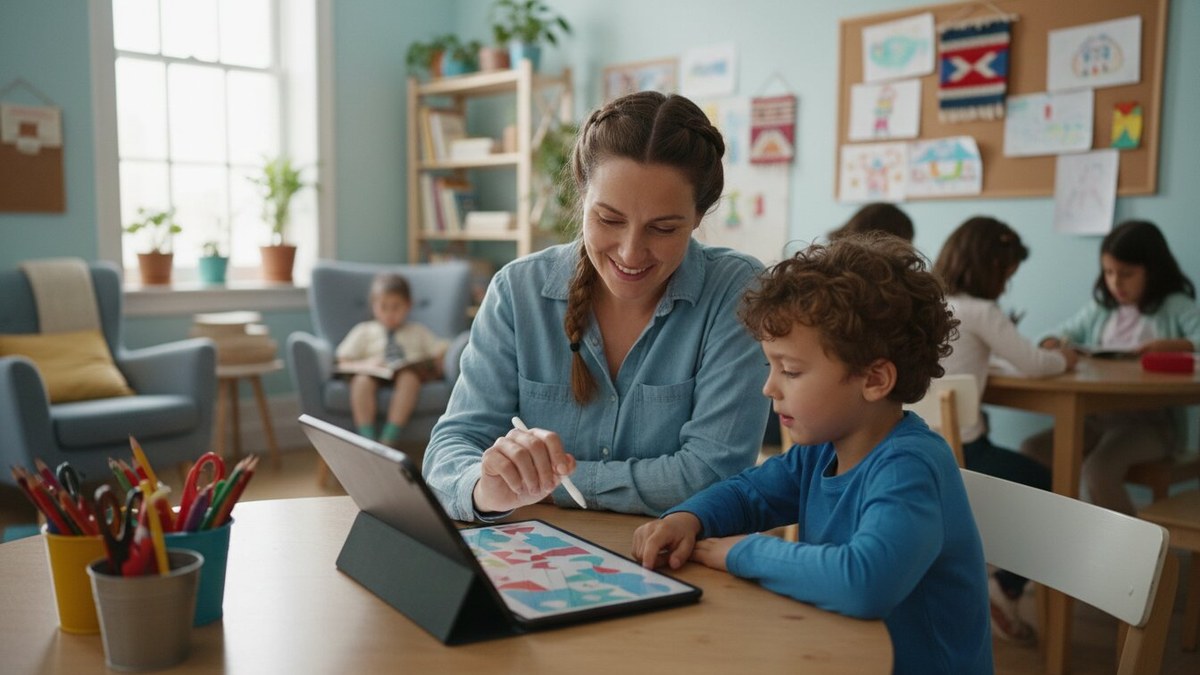
How to Develop Employability Skills in Class 9: Practical Steps
Building employability skills does not require expensive courses. You can start at home and in your community.
- Join or lead a project: Work on a local problem through a student project. This teaches teamwork, communication, and problem-solving in real situations.
- Learn digital tools: Master basic software like word processors, spreadsheets, and presentation tools. Then move to coding or design if you are interested. AI and teaching tools for students can guide your learning.
- Practice public speaking: Join your school debate club, speak in class, or record yourself explaining a topic. Repeat until you feel confident.
- Teach someone else: Explaining a concept to a younger student or family member sharpens your own understanding and communication.
- Set and meet deadlines: Plan a small project (an essay, a video, a code project) and finish it on time. Track your progress.
- Seek feedback: Ask your teacher, parent, or friend to comment on your work. Use their input to improve.
- Read and reflect: Read news, blogs, or books on topics you care about. Write a short summary or opinion piece.
- Volunteer or intern: Help in your community or shadow someone in a job you are curious about.
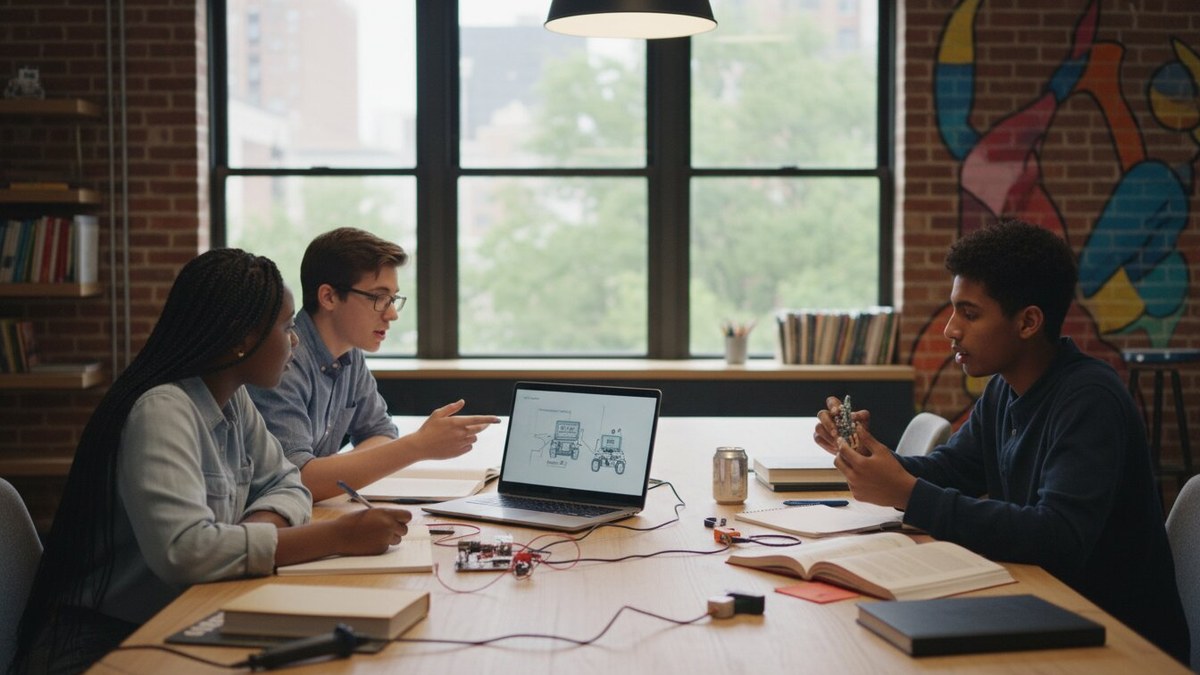
Role of Schools, Teachers, and Community Learning Centres
Your school should teach employability skills through projects, presentations, and group work. Many schools now include these in their curriculum, especially in subjects like social studies and science.
Teachers and tutors can support you by giving real-world tasks, not just textbook exercises. Online coaching classes are changing education by making it easier for educators to design skill-building activities and track your progress.
Community learning centres, called PODs (Points of Digital Learning), offer affordable spaces where Class 9 students can learn coding, digital design, and other technical skills alongside soft skills. These centres often have mentors who guide you through projects and help you build a portfolio for future opportunities.
Employability Skills and Career Choices
Different careers value different skills. If you are interested in technology, focus on coding and digital tools. If you want to work in business or education, prioritise communication and leadership. If you like creative work, build design and storytelling skills.
By Class 9, you do not need to choose a single career path. Instead, develop a mix of skills that keeps your options open. A student who can code, communicate well, and work in a team is attractive to many employers.
Using Technology to Build Employability Skills
Technology is a tool for learning employability skills, not a replacement for them. Online platforms, coding software, and design tools help you practise. However, the real skill develops when you use these tools to solve real problems or create something useful.
For example, you might use coding software like Scratch to build a game, then present it to your class (communication), work with a friend to improve it (teamwork), and debug errors when it does not work (problem-solving). Affordable computers like APNA PC, priced at Rs.30,000 with pre-loaded software and a 3-year warranty, make it easier for students and educators to access these tools at home or in community learning centres. The bundle includes coding software, design tools, and monitoring software to keep your learning safe and on track.
How to Document and Showcase Your Employability Skills
As you build skills, keep a record of what you have done. This record becomes your portfolio, which you can show to schools, colleges, or employers later.
- Write a short reflection after each project: What did you learn? What was hard? What would you do differently?
- Take screenshots or videos of your work (a presentation, a code project, a design).
- Collect feedback from teachers or mentors.
- Create a simple portfolio on paper or online (a Google Doc or website) that shows 3 to 5 of your best projects.
- Include a short bio that describes your skills and interests.
Frequently Asked Questions
What is the difference between employability skills and academic skills?
Academic skills are what you learn in textbooks: maths, science, history, languages. Employability skills are how you use those skills in real situations: explaining a science project to others, working with a team on a project, or managing your time to finish an assignment. Both matter; employers want both.
Can I develop employability skills at home, or do I need a special course?
You can start at home with projects, online learning, and practice. However, a structured course or community learning centre helps you stay focused and get feedback from mentors. Many schools and PODs offer affordable options for Class 9 students.
How long does it take to build employability skills?
Employability skills develop over time through repeated practice. You might see improvement in communication within a few weeks, but mastery takes months or years. Start now and build consistently; by the time you finish Class 10 or apply for college, you will stand out.
Are employability skills the same for all jobs?
Core skills like communication, teamwork, and problem-solving are valued in almost every job. However, specific skills vary: a software developer needs coding, while a teacher needs patience and presentation skills. Choose skills that match your interests and career goals.
How can teachers help Class 9 students build employability skills?
Teachers can assign group projects, ask students to present ideas, give real-world problems to solve, and provide honest feedback. They can also connect students with mentors, community projects, and learning tools. Homeschooling guides and community learning models show how educators can design skill-building activities outside traditional classrooms.
Start building your employability skills today. Whether through school projects, community learning, or practice at home, every step strengthens your future. If you are an educator or parent looking to support this learning with affordable technology, explore APNA PC and how it can enable skill-building in your home or community centre.