
AI in Indian Classrooms is revolutionizing how students learn and teachers teach across the nation. From rural schools to metropolitan institutions, artificial intelligence is reshaping education delivery. This transformation brings personalized learning, real-time feedback, and adaptive teaching methods. The impact extends beyond technology adoption. It creates meaningful change in student outcomes and teacher efficiency.
India’s education sector faces unique challenges. Large class sizes strain teacher attention. Learning gaps widen across socioeconomic backgrounds. Traditional methods cannot address diverse learning speeds. AI solves these problems systematically. Smart algorithms identify student weaknesses instantly. Personalized content adapts to each learner’s pace. Teachers gain data-driven insights for better intervention.
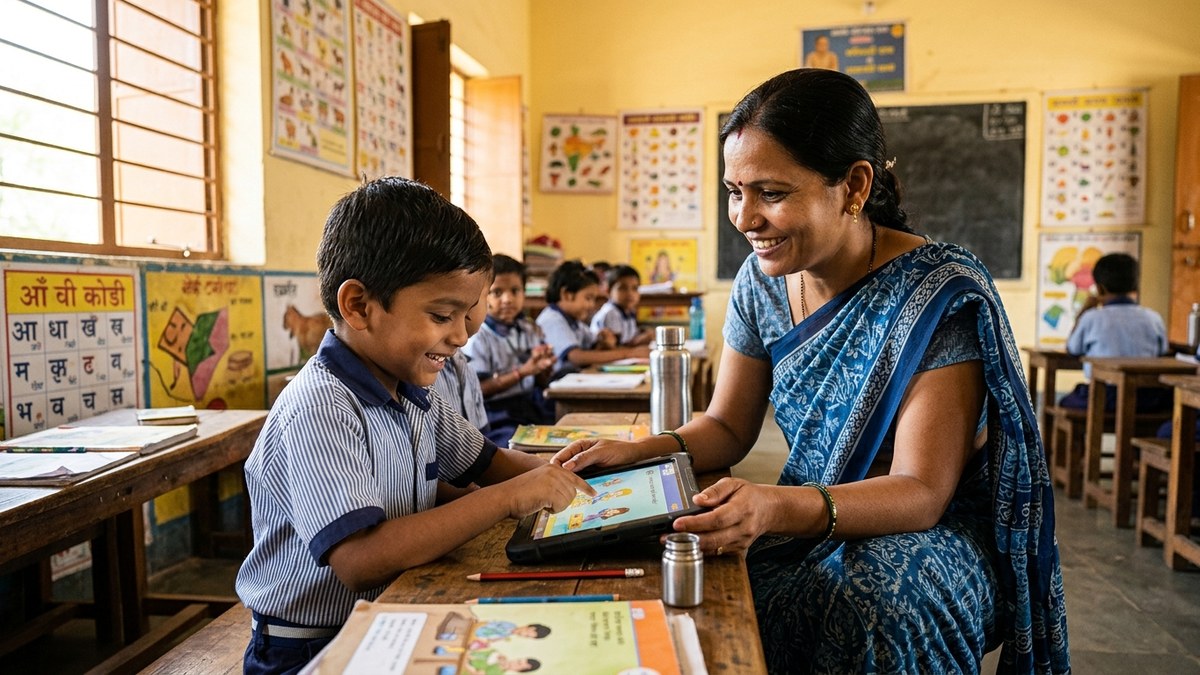
AI in Indian Classrooms: Current Implementation
Several states pioneer AI adoption in education. Government initiatives support technology integration. The National Education Policy 2020 emphasizes digital learning tools. Schools implement AI-powered platforms for assessment and tutoring. Students receive instant corrections and explanations. Learning becomes interactive and engaging rather than passive.
APNA PC at Rs.30,000 enables teachers to access these AI tools efficiently. Affordable computing devices break the digital divide. Teachers can deliver quality education regardless of location. Rural classrooms gain access to premium learning platforms. Students experience world-class educational content.
Government platforms like DIKSHA integrate AI features for content delivery. Teachers find curated resources aligned with curricula. Students access multilingual content matching their learning levels. The ecosystem supports both online and offline learning modes.
How AI Transforms Teaching and Learning
AI in Indian Classrooms enables personalized education at scale. Traditional one-size-fits-all approaches fail many learners. AI algorithms analyze learning patterns and adjust content difficulty. Struggling students receive extra support automatically. Advanced learners access challenging material without waiting.
Teachers spend less time on administrative tasks. Grading papers becomes automated. Attendance tracking happens digitally. Lesson planning gets AI recommendations based on student performance data. Teachers focus on mentorship and emotional support instead.
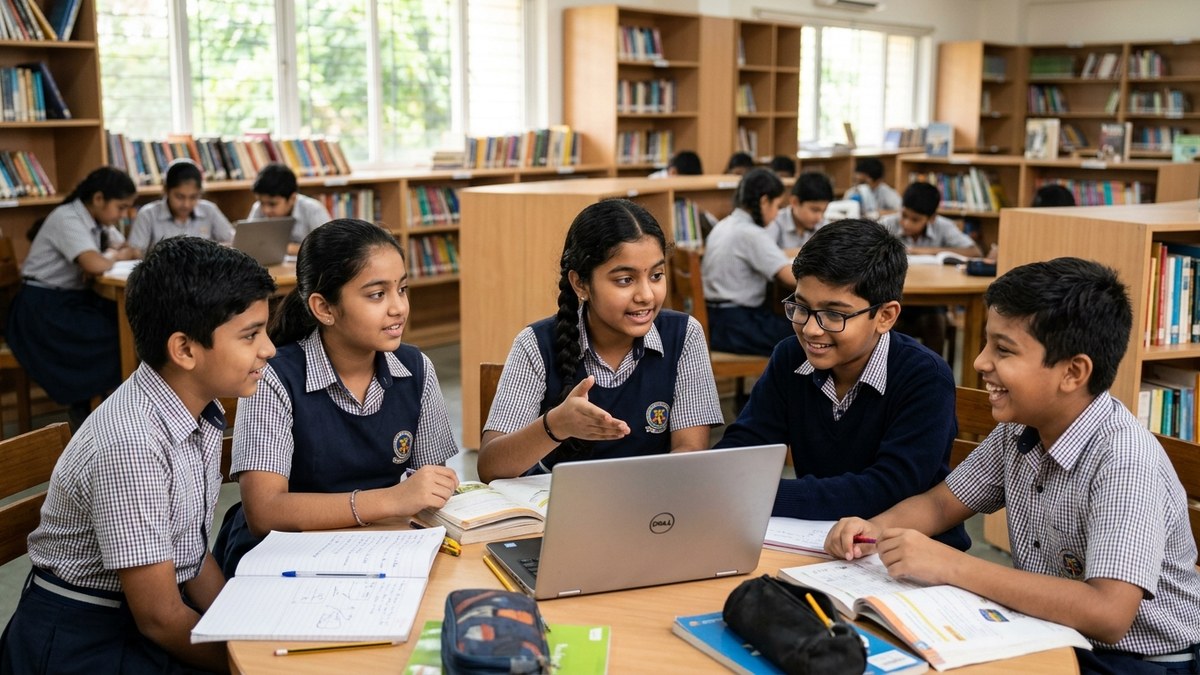
Assessment methods improve dramatically. Traditional exams create anxiety and measure only memorization. AI-powered assessments evaluate critical thinking and problem-solving skills. Real-time feedback helps students correct mistakes immediately. Learning becomes continuous rather than exam-focused.
Language barriers reduce significantly. AI translation tools help non-English speaking students access quality content. Regional language support expands educational opportunities. Students learn in their mother tongue while accessing global knowledge.
Challenges and Solutions for AI in Indian Classrooms
Infrastructure gaps remain substantial. Many schools lack reliable internet connectivity. Power supply remains inconsistent in remote areas. Device availability is limited in under-resourced institutions. APNA PC addresses these challenges with affordable, durable computing solutions designed for Indian conditions.
Teacher training is critical for successful implementation. Many educators feel overwhelmed by technology. Professional development programs build confidence and competency. TeachToEarn’s training modules help teachers master AI tools effectively.
Data privacy concerns require attention. Student information needs strong protection. Clear policies must govern data usage. Government guidelines from Ministry of Education establish security standards for digital learning platforms.
Cost remains a barrier for many institutions. Subsidized device programs reduce financial burden. Government grants support technology adoption. Community partnerships expand resource availability. APNA PC’s affordable pricing makes technology accessible to all schools.
Future of AI in Indian Classrooms
The trajectory is clear and promising. AI adoption will accelerate across Indian education. Hybrid learning models combining online and offline approaches will dominate. Teachers will evolve into learning facilitators rather than content deliverers. Students will develop skills aligned with future job markets.
Predictive analytics will identify at-risk students early. Intervention becomes proactive rather than reactive. Educational outcomes improve measurably. Equity increases as technology reaches underserved communities. India’s human capital strengthens substantially.
AI in Indian Classrooms represents opportunity and responsibility. Educational quality must improve for all students. Technology must serve equity, not deepen divides. Teachers need support transitioning to new roles. Investment in infrastructure and training is essential.
The transformation has begun. Schools implementing AI solutions report improved student engagement and performance. Teachers appreciate data-driven insights and reduced administrative burden. Students experience personalized, relevant learning experiences.
Your school can join this revolution today. APNA PC provides reliable computing devices at Rs.30,000 enabling AI adoption. Quality education becomes accessible regardless of location or resources. Teachers gain powerful tools for effective teaching. Students unlock their potential through personalized learning.
Visit apnapc.com to learn more.