Career After 10th: The Decision That Changes Everything
You’re 15 or 16. You’ve just finished 10th standard. And suddenly, everyone wants to know: which stream are you choosing?
Your parents are stressed. Your teachers have opinions. Your friends are making decisions based on what their cousins did. Meanwhile, you’re scrolling through videos about careers you’ve never heard of, feeling more confused than ever.
Here’s the truth: career after 10th isn’t about picking the “right” stream. It’s about understanding what you actually want to do, not what society expects you to do. And that’s a conversation nobody’s having with you properly.
Let’s be honest. Most people don’t realise that your choice of streams after 10th isn’t permanent. It’s not a life sentence. But it does shape the next three years, and that matters. So let’s cut through the noise and give you a practical roadmap.
Key Takeaways
- Choosing a career after 10th is less about picking the right stream and more about understanding what you actually want to do.
- The three main streams are Science, Commerce and Arts, and your choice shapes the next three years but is not permanent.
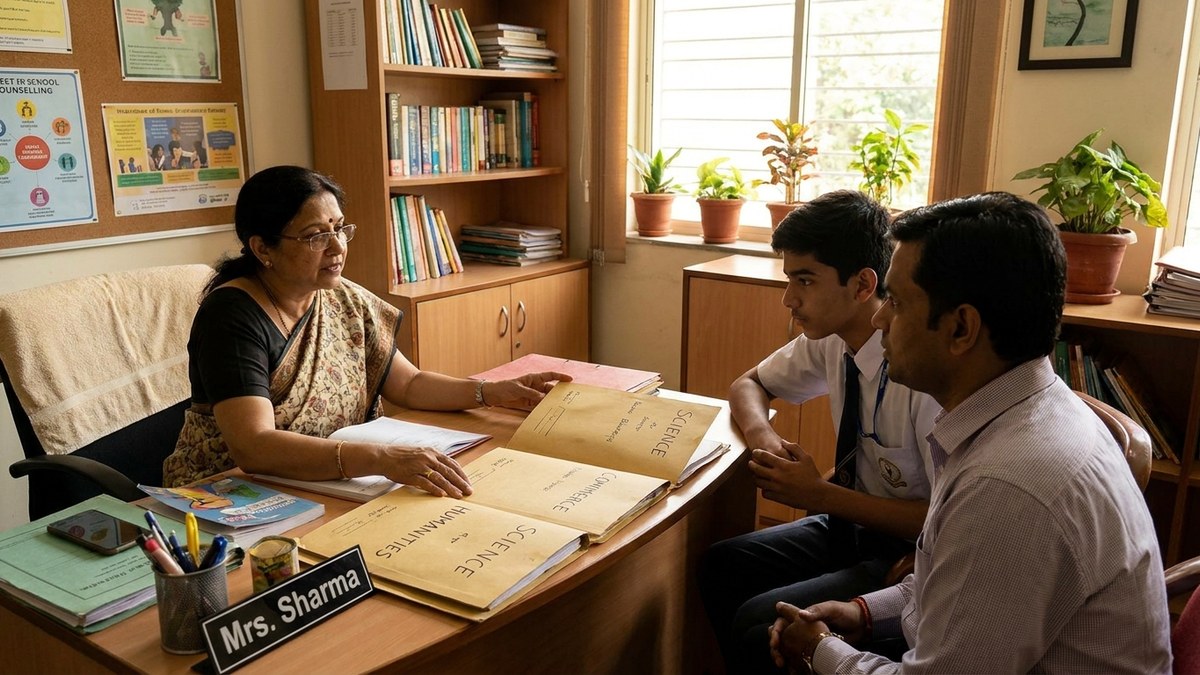
- Parents, teachers and friends all have opinions, so students should list their own interests and strengths first.
- Talk to people working in the careers you are curious about before you decide.
- Use a computer for research, aptitude quizzes and comparing college options, because it is easier than scrolling a phone.
Understanding Your Options: Streams After 10th
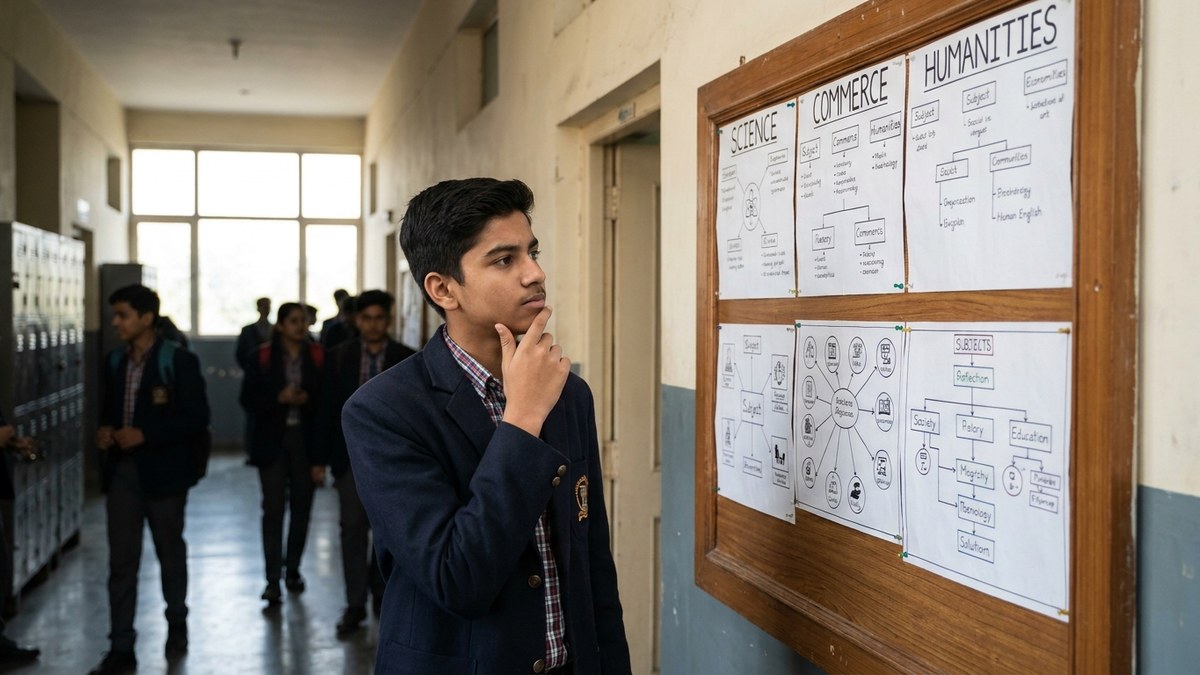
In India, after 10th, you typically have three main streams to choose from:
- Science: Physics, Chemistry, Biology (or Maths instead of Bio). This opens doors to engineering, medicine, research, and technology careers.
- Commerce: Accounts, Economics, Business Studies. This path leads to CA, CS, MBA, banking, finance, and entrepreneurship.
- Humanities: History, Geography, Political Science, Economics. This stream suits people interested in law, journalism, civil services, teaching, and social work.
Here’s what most guidance counsellors won’t tell you: your stream choice isn’t about which subjects are “harder” or which one your friend chose. It’s about what you’ll spend 3-4 hours studying every single day for the next three years.
Pick something you can tolerate. Ideally, something you actually enjoy.
Courses After 10th: Beyond The Traditional Streams
Wait. Before you assume you have to pick one of those three streams, know this: there are alternatives.
Vocational courses after 10th are real options. ITI (Industrial Training Institute), skill-based programs, and diploma courses exist. They’re not “backup plans.” They’re legitimate pathways to solid careers in skilled trades, hospitality, healthcare, and technology.
And here’s something critical: if you’re interested in technology and computers, you don’t need to wait for 12th. You can start learning now.
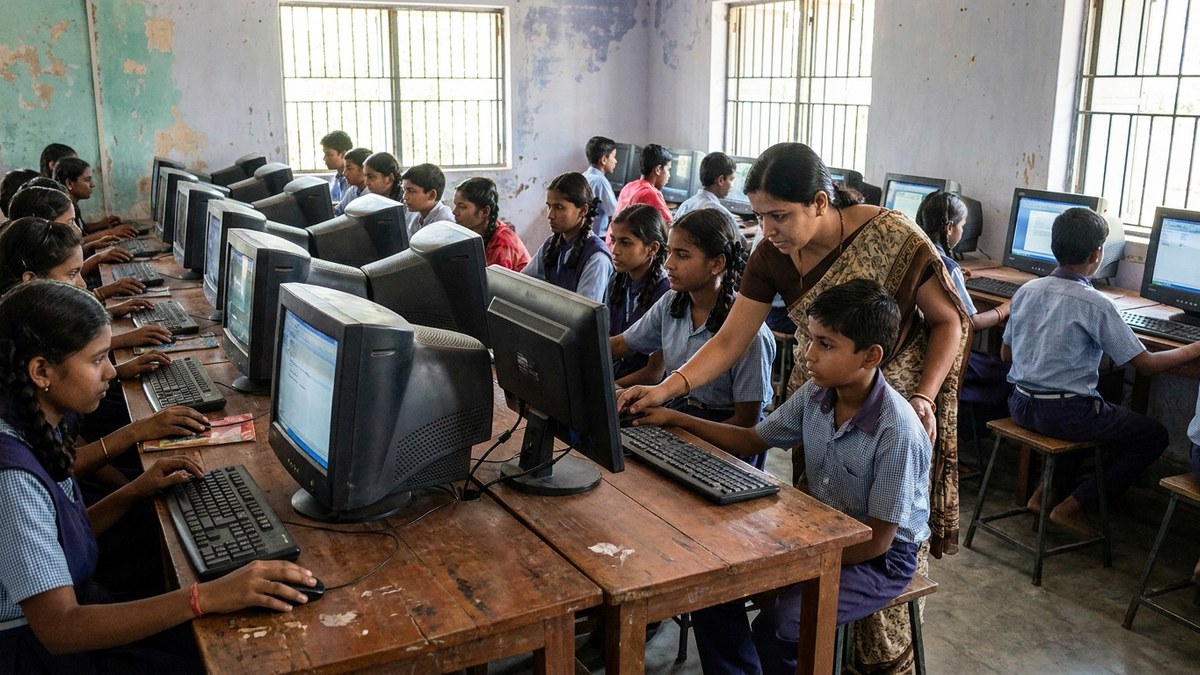
Courses after 10th in areas like basic computer literacy, coding, digital marketing, and graphic design can be done alongside your regular studies. Many students are doing this right now through community learning centres called PODs (Point of Digital Learning). They study their regular stream during the day and pick up in-demand skills in the evening or weekends.
That’s the smart move. Get your board qualification, but also build a skill that makes you employable.
If you’re serious about technology, check out the best computer courses after 10th that you can actually complete while in 11th and 12th. Many students are combining this with their regular studies using affordable setups like APNA PC (Rs.30,000 complete bundle with everything you need: education software, Mini PC i3 7th Gen, 8GB RAM, 128GB SSD, monitor, keyboard, mouse, webcam, headset, plus 3-year warranty and installation).
The Practical Decision Framework
Forget the pressure. Use this simple framework to decide your career after 10th:
- Step 1: Introspection. What subjects did you actually enjoy in 10th? Not which ones you scored well in. Which ones didn’t feel like torture?
- Step 2: Career Research. Pick 3-4 careers that interest you (doctor, engineer, lawyer, entrepreneur, animator, whatever). Then find out which stream leads there. Don’t pick a stream and then hunt for careers.
- Step 3: Talk to Real People. Not your uncle who became an IAS officer in 1995. Talk to someone who’s actually doing the job you’re curious about. LinkedIn exists for this.
- Step 4: Consider Your Strengths. Are you good with numbers? People? Creative work? Logical thinking? Match that to your stream.
- Step 5: Plan Beyond 12th. What will you do after 12th? College? Skill training? Entrepreneurship? Your stream choice should support that goal.
Building Your Skills While You Decide
Here’s what separates students who succeed from those who just get by: they don’t wait for the “right” moment to start learning.
While you’re figuring out your career after 10th, start building skills now. Digital literacy is non-negotiable. Every career path benefits from it. Whether you choose science, commerce, humanities, or vocational training, you’ll need to know how to use computers, navigate the internet, and use relevant software.
Many PODs across India are helping students do exactly this. They’re setting up community learning centres where trained educators teach computer skills, coding basics, and other in-demand courses. The investment is minimal. The returns are massive.
The APNA PC bundle (Rs.30,000) is designed exactly for this. It’s a complete setup for learning and practicing computer skills from home or at a community learning centre. Everything included. No hidden costs. No need to visit expensive computer labs.
Resources To Help You Decide
Don’t make this decision in isolation. Use these resources:
- The CBSE official website has detailed information about stream-specific curricula and career pathways.
- The Ministry of Education publishes career guidance materials and skill development programs.
- The DIKSHA platform offers free online courses and learning resources for all streams.
- The Apni Pathshala blog has detailed guides on career options and skill development.
Final Word: You’re Not Behind
If you’re reading this and feeling lost about your career after 10th, that’s normal. You’re supposed to feel uncertain at 15 or 16. Nobody expects you to have it all figured out.
But here’s what you can do right now: Stop waiting for the “perfect” answer. Make the best decision with the information you have. Choose a stream that doesn’t make you miserable. Start building skills that make you valuable. And remember that this choice isn’t forever. People change careers all the time. What matters is that you’re moving forward.
Your career after 10th is important. But it’s not your entire life. It’s the next chapter. Make it count.
Frequently Asked Questions About Career after 10th
What are the options after 10th in India?
After Class 10 you can choose Science, Commerce or Arts in Class 11, or pick a diploma or skill-based course. Each route leads to different careers. Your choice shapes the next three years but is not a life sentence.
How do I choose a stream after 10th?
Start with your interests and strengths, then compare stream subjects and the careers they lead to. Talk to a teacher or a professional in a field you like. Do not choose only because friends or cousins did.
Can I change my stream after Class 10?
Many students can switch with effort, but it gets harder after Class 11 begins. Rules differ by board and school, so ask your school early. It is wiser to decide carefully than to plan on switching.
Is Science the best stream after 10th?
No. Science suits students who enjoy Maths and the sciences, but Commerce and Arts lead to strong careers too. The best stream is the one you can stay interested in for two years of study.
What if my parents want a different stream than I do?
Have a calm conversation with facts. Bring information about the stream, the subjects and the career path you want. A school counsellor or a teacher can help both sides understand the options.
CBSE and other boards offer Science, Commerce and Humanities streams after Class 10, and NEP 2020 encourages greater flexibility in subject choice.