
A good parent-teacher meeting preparation is not about impressing parents. It is about walking into that room with clarity, confidence, and a clear plan. Most teachers wing it. They shuffle through papers, mumble about “average performance,” and hope the meeting ends without questions. That is not a strategy. That is survival mode.
Here is the truth: parents remember how you made them feel long after they forget the marks. And you remember every awkward silence. Good preparation removes both. Whether you teach in a school or run your own tuition classes, the meeting is your chance to build trust that lasts the whole academic year.
Why Parent-Teacher Meeting Preparation Matters
A parent walks in with one question in their head: does this teacher actually know my child? If you cannot answer that in the first two minutes, the meeting becomes a formality. Nobody wins.
Good parent-teacher meeting preparation shows you respect the parent’s time. It also protects you. No more “nobody told me” conversations later. No more surprises at result time. You control the narrative with facts, not opinions.
Think about it. You already prepare lesson plans, tests, and activities. Why would you skip preparation for the one meeting that directly shapes how families see your work? Most people don’t realise that a smooth meeting can bring you more admissions than any advertisement.
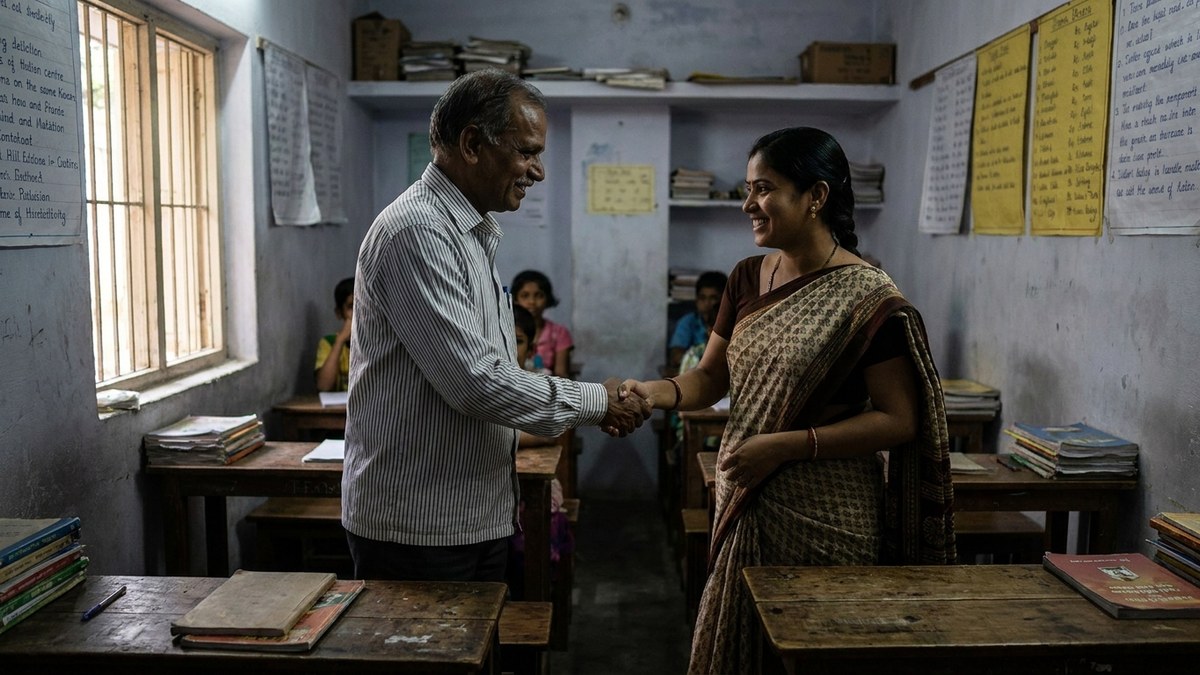
What to Do Before the Meeting: Parent Teacher Meeting Tips
Preparation starts days before, not minutes before. Block one hour the evening prior. That single habit separates professionals from the rest.
- Gather the data: Test scores, attendance records, class participation, homework consistency. Numbers speak louder than adjectives.
- Write three positives first: Every child has genuine strengths. Write them down before you note any concern. This keeps the tone balanced.
- Note one clear action item: Not a list of ten. One specific thing the parent can do at home this month.
- Anticipate questions: “Is my child paying attention?” “What about boards next year?” Prepare honest answers now.
- Bring visual proof: A marked worksheet, a portfolio page, or a short progress chart. Seeing beats hearing.
If you are a tuition teacher, this prep doubles as marketing. Parents comparing options across the education system in India will always choose the teacher who shows up prepared.
Setting the Right Tone During the Meeting
Start with the positive. Always. It is not flattery, it is psychology. When parents feel you see the good in their child, they lower their defences. Then you can discuss concerns without it sounding like an attack.
Use specific examples instead of vague labels. “Rohan solved 8 out of 10 fraction problems last week but skipped showing his working” lands better than “Rohan needs to work harder.” The first is useful. The second starts an argument.
Let’s be honest: some parents come in defensive. Maybe a past teacher scared them. Maybe they failed themselves as students. Stay calm. Keep your voice even. Ask questions like “What do you notice at home?” so the conversation flows both ways. The Ministry of Education has long emphasised parent involvement in learning outcomes. You are not asking for help. You are starting a partnership.
Common Mistakes Teachers Make
Watch out for these traps:
- The monologue: Talking for twenty minutes straight. The parent leaves more confused than when they arrived.
- Comparison: “Unlike Anjali, your son…” Comparisons create resentment, not motivation.
- Blurting out a diagnosis: “He might be dyslexic.” You are a teacher, not a clinician. Flag concerns gently and suggest a professional evaluation instead.
- Skipping the follow-up plan: Ending with “let’s see how it goes” and no next step kills all momentum.
Smart preparation is your edge. Twenty minutes of thought the night before prevents all four mistakes. If you guide students toward CBSE employability skills, parents already trust your judgement. Use that trust wisely.
Parent-Teacher Meeting Preparation Checklist
Print this. Keep it with your register. Run through it every single time.
- Data folder ready: marks, attendance, work samples
- Three written positives, one written action item
- Anticipated questions with honest answers prepared
- Meeting slots scheduled with buffer time between parents
- Quiet space arranged, free from interruptions
- Water or basic courtesy set up for visiting parents
- Follow-up date decided before the parent leaves
This parent-teacher meeting preparation checklist covers the basics. Tweak it for your context, but do not skip it. You can also track student progress on platforms like Skill India results check to show parents concrete outcomes beyond marks.
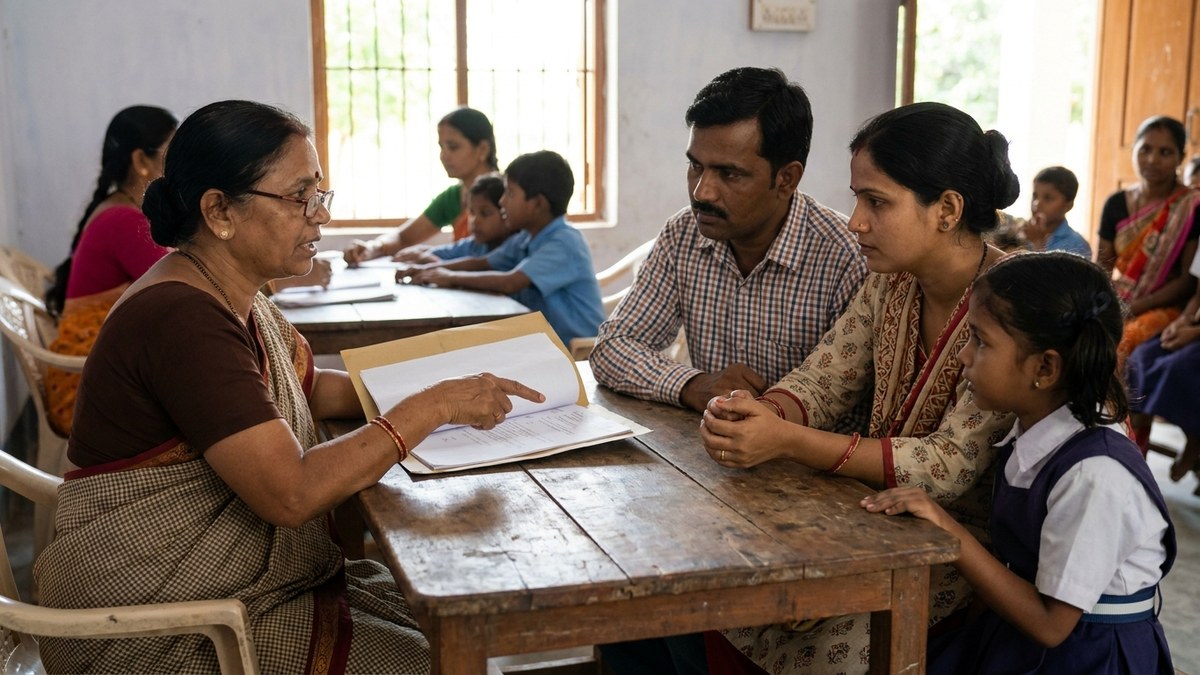
After the Meeting: Follow-Up That Builds Trust
The meeting does not end when the parent walks out. Send a short message within 48 hours. One or two lines: “Great meeting you today. As discussed, we will focus on reading practice this month. I will share an update after the next test.” That small message does three things. It confirms the conversation happened. It proves you listened. And it sets you apart from ninety percent of teachers who never follow up.
Consistent follow-up builds a reputation. Parents talk to other parents. Word spreads fast in every tuition community and school group. A teacher who prepares, communicates, and follows up becomes the teacher every family wants for their child.
And if your teaching setup is overdue for an upgrade, the APNA PC complete bundle gives you a ready classroom machine so preparation stays simple, organised, and fast. Strong parent-teacher meeting preparation is not extra work. It is the work that keeps your classroom full.