
The Learning Pod vs Tuition Class Question Parents Keep Getting Wrong
Your child sits in a cramped tuition centre for two hours. Twenty other kids. One teacher rushing through chapters. Sound familiar?
Here’s the truth: most parents think the choice between a learning pod vs tuition class comes down to cost and convenience. It doesn’t. The real difference is in how your child actually learns.
Learning pods have exploded across India over the last three years. Parents are asking us constantly: should I move my kid to a pod? Is it better than the traditional tuition class down the street? Let’s cut through the noise.
What’s Actually Different: Learning Pod vs Tuition Class
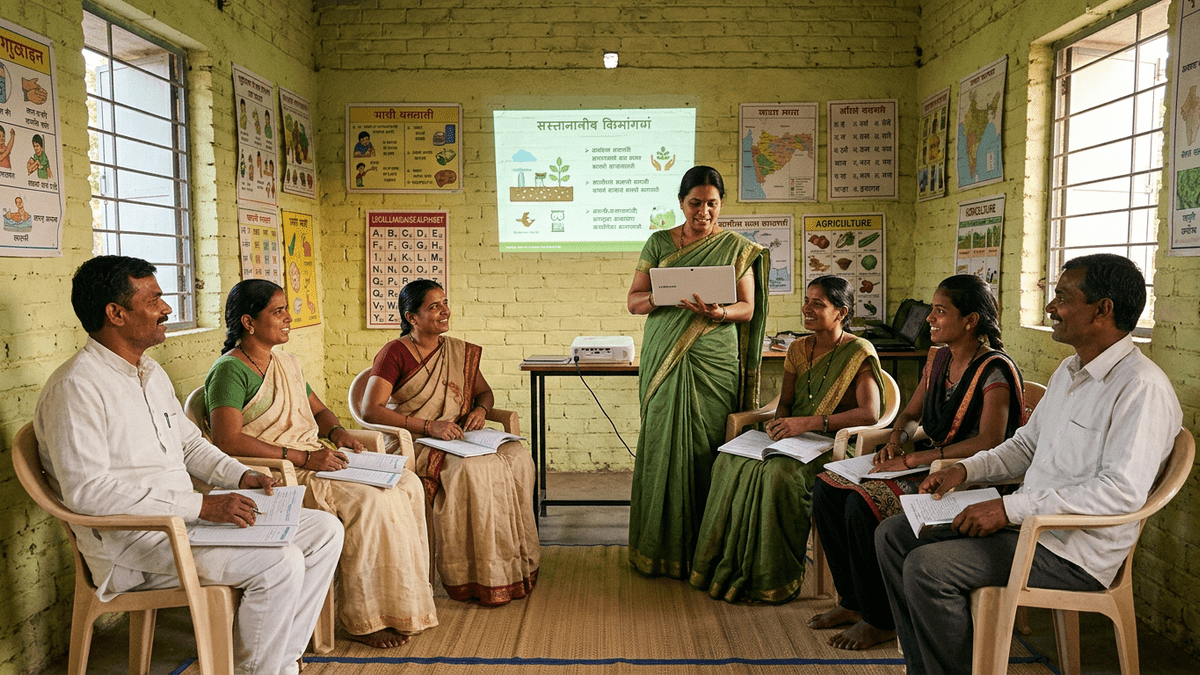
A tuition class is what you know. Fixed timings. Batch teaching. One teacher, thirty students, textbook focus. A learning pod is different. It’s a small group (4-8 students max) learning together in a home or community space with a trained educator who adapts to each child’s pace.
The difference matters more than you think:
- Group size: Tuition = 15-30 kids. Pod = 4-8 kids. Your child gets actual attention in a pod.
- Flexibility: Tuition = rigid schedule. Pod = can adjust based on what students need that week.
- Learning environment: Tuition = noisy, competitive, stressful. Pod = collaborative, calm, personalized.
- Technology integration: Tuition = blackboard and chalk. Pod = blended learning with digital tools when needed.
- Parent involvement: Tuition = you drop and forget. Pod = you stay connected to what’s happening.
Most people don’t realise that the best learning model India needs right now isn’t either of these alone. It’s pods that use technology smartly.
Pod Learning Benefits That Actually Matter
Let’s be honest: tuition classes work for some kids. The ones who don’t need help. The ones who can survive in a crowd. But for most? Pods win on three fronts.
First, accountability is real. In a tuition class with thirty kids, your child is one face in a crowd. The teacher doesn’t know if your son understood fractions or just copied answers. In a pod, the educator knows exactly where each student stands. Progress tracking isn’t a report card you see once a term. It’s ongoing, visible, actionable.
Second, learning happens at the right speed. Your daughter isn’t bored waiting for slower kids to catch up. Your son isn’t panicking because the class moved on before he understood. Pods adapt. That’s not a nice-to-have. That’s how brains actually learn.
Third, pods build confidence. When you’re one of eight instead of one of thirty, you speak up. You ask questions. You’re not afraid of being judged. We’ve seen shy kids transform in pods within weeks. That doesn’t happen in tuition classes.
For educators and edupreneurs thinking about starting a pod, this matters. The pod learning model is sustainable because parents see real results. Kids improve faster. Retention is higher. Word spreads.
The Infrastructure Problem Nobody Talks About
Here’s where most learning pods fail: they look good on paper but collapse when you actually try to run them.
You need space. You need basic technology. You need a way to track progress digitally. You need video calling capability for hybrid sessions. Most educators starting pods don’t have this. They’re working with a whiteboard, a notebook, and hope.
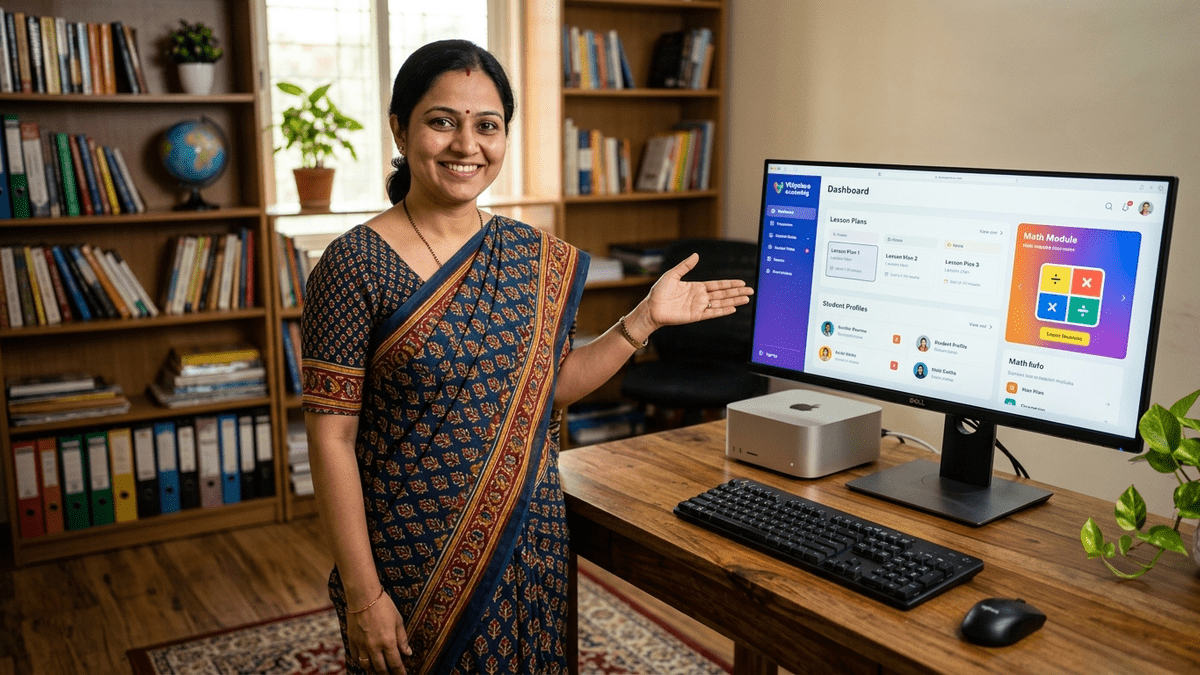
That’s why we created APNA PC. Rs.30,000 for a complete bundle: the Mini PC, monitor, keyboard, mouse, webcam, headset, education software, three-year warranty, and installation. Everything a pod educator needs to run a professional operation from day one.
Think about what this means. Your pod can now use DIKSHA digital learning platform for content. You can track attendance and progress in real time. You can conduct hybrid sessions when a student is sick. You can show parents exactly what their child learned that week. That’s not a tuition class anymore. That’s a real learning pod.
Most people don’t realise that digital literacy for educators is now non-negotiable. If you’re running a pod in 2026 without basic tech setup, you’re already behind.
Which One Should Your Child Be In?
Tuition class if: your child thrives in large groups, needs exam-focused rote learning, and you want to pay less upfront.
Learning pod if: your child needs individual attention, learns better in small groups, and you care about actual understanding over marks.
The best learning model India is moving toward combines both: pod structure with tuition class discipline and technology integration. That’s what works in 2026.
If you’re a parent confused about which path to choose, start by understanding your child. If you’re an educator thinking about starting a pod, understand that infrastructure matters. You need the right tools. Choose the right learning pod setup, and you’ll see the difference in weeks.
Want to set up a professional learning pod? Here’s what you need to know about safe learning pod setup guide in India. And if you’re ready to invest in the right infrastructure, get your APNA PC bundle today.