
Microschools are revolutionizing the educational landscape across India by offering personalized, flexible, and affordable learning solutions. These innovative educational models represent a significant departure from traditional classroom structures, bringing quality education directly to underserved communities. As India continues its digital transformation, microschools have emerged as a practical answer to the country’s persistent educational challenges. The microschools movement in India addresses critical gaps in access, affordability, and quality that plague conventional schooling systems.
Key Takeaways
- Microschools in India are small learning centres serving roughly 15 to 50 students across mixed ages in one room, with low overheads and heavy personal attention.
- They have spread in tier-2 and tier-3 towns where full private schools are unaffordable or far away.
- Small groups let a teacher find each child’s gaps early and adjust the pace, which large classrooms cannot do.
- Many use digital content from platforms like DIKSHA to blend structured teaching with technology.
- The open questions for the sector are consistent quality, teacher training and clearer state rules.
Understanding Microschools: The New Educational Model
Microschools represent a paradigm shift in how education is delivered in India. Unlike traditional schools with hundreds of students per grade, microschools typically serve 15-50 students across multiple grade levels in a single classroom. This intimate setting enables educators to provide individualized attention, adapt teaching methodologies to each student’s learning pace, and create a nurturing environment that fosters genuine intellectual curiosity.
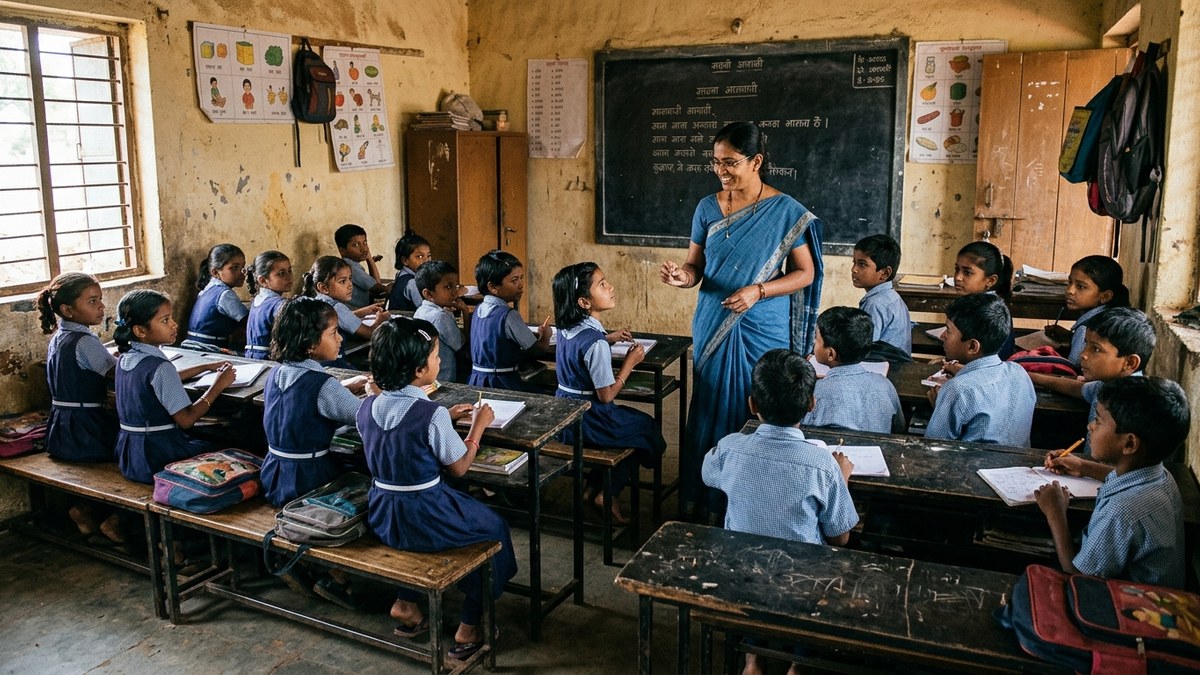
The concept of microschools has gained tremendous traction in tier-2 and tier-3 Indian cities where infrastructure limitations and financial constraints have historically prevented quality education access. By operating with minimal overhead costs and leveraging technology, microschools deliver educational excellence without the burden of massive capital investments required by traditional institutions.
Why Microschools Matter for India’s Educational Ecosystem
India’s education sector faces unprecedented challenges. Despite constitutional provisions for free and compulsory education, millions of children remain out of school. The microschools phenomenon addresses this crisis through innovative solutions that are both scalable and sustainable.
Affordability and Accessibility
Traditional private schools remain financially inaccessible for 60% of India’s population. Microschools bridge this gap by operating at lower costs while maintaining educational quality. Parents in rural and semi-urban areas can now afford quality education for their children without compromising on learning outcomes.
Personalized Learning Experiences
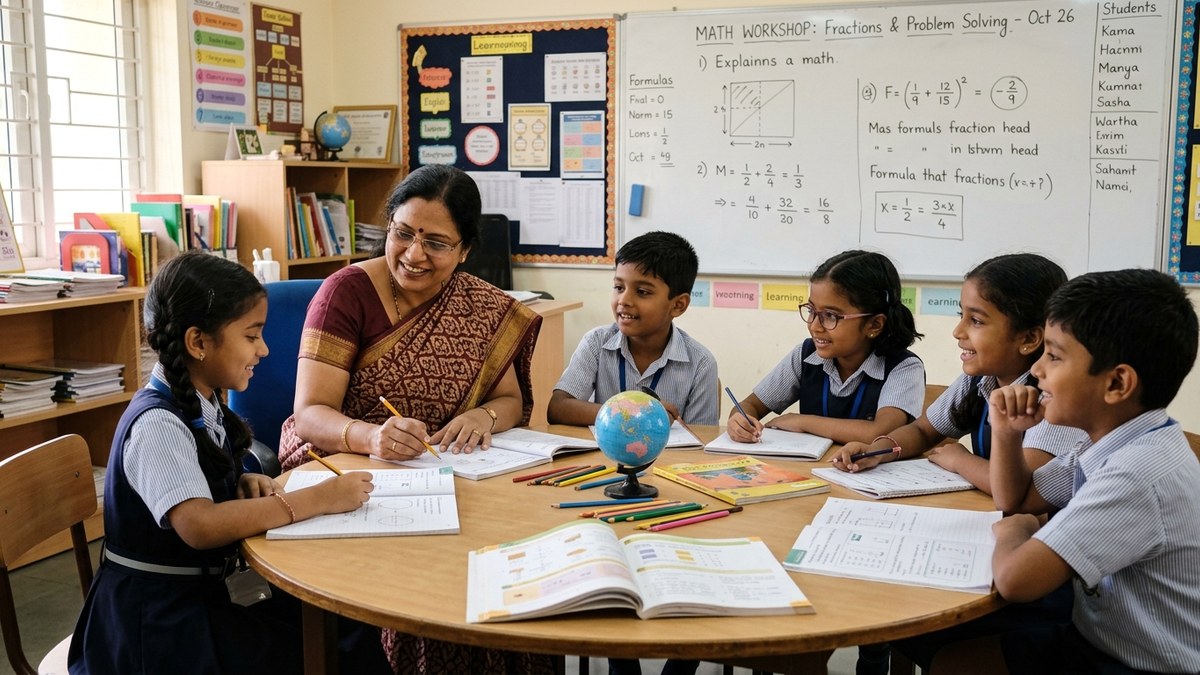
One of the most compelling advantages of microschools is their ability to customize education. Teachers can identify each student’s strengths, weaknesses, and learning style, then tailor instruction accordingly. This personalized approach dramatically improves learning retention and student engagement metrics where India currently lags behind global standards.
Integration of Digital Tools
Microschools leverage platforms like DIKSHA, India’s national digital infrastructure for education, to supplement classroom instruction. This integration provides students access to high-quality digital content while maintaining the human connection essential for effective learning. Teachers use these resources to create blended learning environments that combine traditional pedagogy with modern technology.
The Current State of Microschools in India
The microschools sector in India is experiencing exponential growth. Educational entrepreneurs and NGOs have recognized the potential of this model, establishing microschools in communities previously underserved by formal education systems. States like Rajasthan, Uttar Pradesh, and Maharashtra have seen particularly robust microschools expansion.
Government Support and Policy Framework
The Indian government has increasingly recognized microschools’ potential in achieving Sustainable Development Goal 4 (Quality Education). Resources available through Education.gov.in provide policy frameworks and guidelines supporting microschools’ establishment and operation. Government initiatives like the National Education Policy 2020 create an enabling environment for alternative educational models, including microschools.
Technology as an Enabler
Microschools leverage affordable technology to enhance teaching and learning. Mobile applications, low-cost tablets, and internet connectivity enable students to access quality educational content regardless of geographic location. This technological integration makes microschools particularly effective in rural India where traditional infrastructure is limited.
How Microschools Transform Learning Outcomes
Research indicates that microschools significantly impact student achievement. The personalized attention available in these settings leads to improved academic performance, particularly among disadvantaged students who typically struggle in large classroom environments.
Building Foundational Skills
Microschools focus intensively on developing strong foundational skills in literacy and numeracy areas where Indian students traditionally perform poorly. By identifying learning gaps early and addressing them through targeted interventions, microschools ensure students build robust educational foundations.
Fostering Critical Thinking
Beyond rote learning, microschools emphasize critical thinking, problem-solving, and creativity. This pedagogical approach aligns with global best practices and prepares students for 21st-century challenges. Teachers have the flexibility to implement project-based learning and experiential education methods that large schools cannot accommodate.
Holistic Development
The intimate environment of microschools enables focus on students’ overall development emotional, social, and physical well-being alongside academic achievement. Teachers can identify and support students facing personal challenges, creating safe spaces where all learners can thrive.
Challenges and Solutions in the Microschools Sector
While microschools present tremendous potential, the sector faces legitimate challenges requiring thoughtful solutions.
Quality Assurance
Ensuring consistent educational quality across numerous microschools requires robust monitoring mechanisms. Progressive microschools networks are implementing standardized curricula, regular teacher training, and assessment frameworks to maintain quality standards.
Teacher Training and Development
Quality education depends fundamentally on teacher capability. Microschools must invest in continuous professional development, ensuring educators stay current with pedagogical innovations and technology integration. Networks of microschools are pooling resources for collective teacher training programs.
Regulatory Clarity
The regulatory environment for microschools remains ambiguous in many states. Clear guidelines establishing licensing requirements, quality standards, and operational parameters would facilitate sector growth while protecting student interests.
Success Stories: Microschools Making a Difference
Across India, microschools are demonstrating transformative impact. In rural Rajasthan, microschools have increased primary education enrollment by 40% in participating villages. In urban slums of Mumbai and Bangalore, microschools serve children from migrant families who cannot access traditional schooling due to documentation requirements or irregular schedules.
These success stories validate the microschools model’s viability and scalability. They prove that quality education is achievable without massive infrastructure investments, demonstrating a replicable pathway for educational transformation.
The Future of Microschools in India
The trajectory for microschools in India appears remarkably promising. As digital infrastructure improves and educational entrepreneurs gain confidence in the model, microschools will likely expand significantly. Integration with government initiatives and increased private investment will accelerate growth.
For more detailed information about educational innovation and microschools implementation, explore resources at Teach to Earn and Teach to Earn Blog.
The microschools movement represents India’s opportunity to democratize quality education, ensuring every child, regardless of socioeconomic status or geographic location, has access to excellent learning opportunities.
Ready to explore innovative education solutions? Visit apnapc.com to learn more about comprehensive educational technology bundles designed for Indian students.
Frequently Asked Questions About Microschools in India
What is a microschool?
A microschool is a small learning centre, usually 15 to 50 students of mixed ages in one space, run with low costs and close individual attention. It sits between home schooling and a full traditional school, and often blends a teacher’s instruction with digital content.
Why are microschools growing in India?
Full private schools are out of reach for a large share of families, and government schools are often overcrowded. Microschools offer affordable, personal teaching without big buildings, which works well in smaller towns and underserved city areas.
Are microschools legal in India?
Small supplementary and alternative learning groups operate widely, similar to coaching centres, but rules vary by state and are not always clear. Anyone planning to replace formal schooling entirely should take local legal advice on registration and safety.
How are microschools different from regular schools?
They are far smaller, mix ages in one group, and can adapt daily plans to individual students. Teachers can use project work and targeted help that a class of forty cannot support. Overheads are low, so fees stay affordable.
What technology does a microschool need?
At minimum, one reliable computer for lessons, digital content and record keeping. Free platforms like DIKSHA supply board-aligned material. A bundled setup keeps costs predictable and avoids being stuck when hardware fails.
India’s National Education Policy 2020 explicitly supports flexible and multi-age learning and community-based models, which is the framework microschools operate within.
Explore POD economics and break-even and how to build a parent-trusted learning centre.